
Livraison le jour même ou le lendemain

Qualité garantie

Débloquez vos offres de bienvenue: Livraison GRATUITE | Jusqu'à -80 % | 30 jours d'essai gratuits à JoyPlus
Téléchargez l'application
Between protein powder, protein drinks and high-protein snacks, the range available in France can quickly become difficult to compare. Packaging that displays a high protein content is not always enough to determine whether a product suits your diet, training routine or budget.
The selection below is based on the information shown on the product pages: protein content, format, ingredients, allergens, storage and ease of use.
A product can display a high protein percentage while also containing a lot of salt, sugar, fat or sweeteners. When comparing two high-protein products, look at the amount per serving and the overall nutritional composition, rather than relying solely on the ‘high protein’ claim highlighted on the packaging.
For example, a bar may provide 15 to 20 g of protein, but also contain polyols, added fibre or allergens. This does not necessarily make it unsuitable, but these elements should be compatible with your preferences and digestive tolerance.
A tub of whey weighing several kilos may seem cost-effective per serving. Before opting for a large format, however, make sure you like the flavour, that it mixes easily and that you will consume it often enough. Also check that you have enough storage space. For a first experience, a smaller format helps minimise the risk of waste.
Conversely, ready-to-drink beverages and protein bars are very convenient, but their price per gram of protein is generally higher than that of powder mixed with liquid.
Milk proteins, soya, peanuts, tree nuts, crustaceans and gluten are common in this category. ‘Lactose-free’ does not mean ‘milk-free’: a drink can contain milk proteins while being formulated without lactose.
Also check the storage conditions. Frozen products must be stored at –18 °C or below, while an opened drink should generally be refrigerated and consumed promptly.
For a meaningful comparison, note:
BODY & FIT Whey Perfection provides 22 g of protein per 28 g, equal to approximately 81 servings in a 2,260 g tub. Optimum Nutrition Gold Standard 100% Whey Protein Powder, meanwhile, provides 24 g per 30 g, with 65 servings in its 2.02 kg format. This information allows you to compare pack sizes on a practical basis.
Whey comes from milk. In the products featured, it may be presented as an isolate, concentrate or hydrolysed fraction. The exact composition affects the texture, flavour and proportion of protein, but it does not replace the need to read the label carefully.
For naturally high-protein foods, the source is usually more obvious: prawns, meat, fish or milk. Asian Choice Vannamei Shrimp provides 14 g of protein per 100 g, while ESCAL cooked lobster provides 19 g per 100 g. These products can easily be incorporated into a meal with vegetables, starchy foods and a source of fat.
Choose your product according to when you plan to consume it:
The aim is to find a solution you will actually use, rather than a product bought solely for its marketing claim.
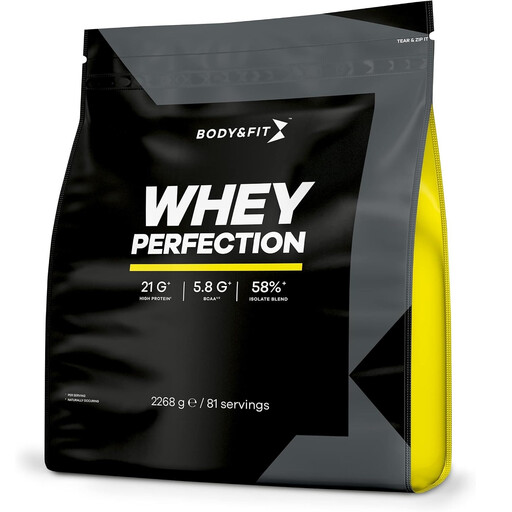
Why this choice suits this profile : This large format is ideal for people who regularly consume protein powder and want to prepare their shake with water or milk.
The product page clearly states 22 g of protein per 28 g and approximately 81 servings. This allows you to estimate how long it will last before placing your order.
A blend of whey isolate, concentrate and hydrolysate, with 1.6 g of fat and 1.5 g of carbohydrates per serving.
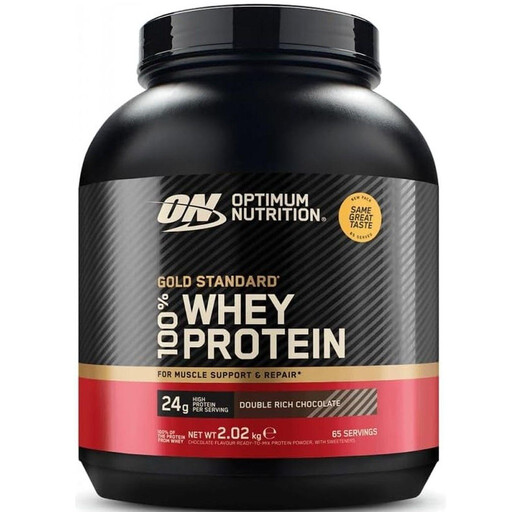
Why this choice suits this profile : This product is aimed at people who carefully monitor their intake and want a clearly defined serving in a format designed for frequent use.
The product page details the 24 g of protein per 30 g, as well as the amounts of fat, carbohydrates, sugars and salt per serving.
The tub contains 2.02 kg and approximately 65 servings. The ingredients list mentions a blend of whey isolate, concentrate and hydrolysed isolate.
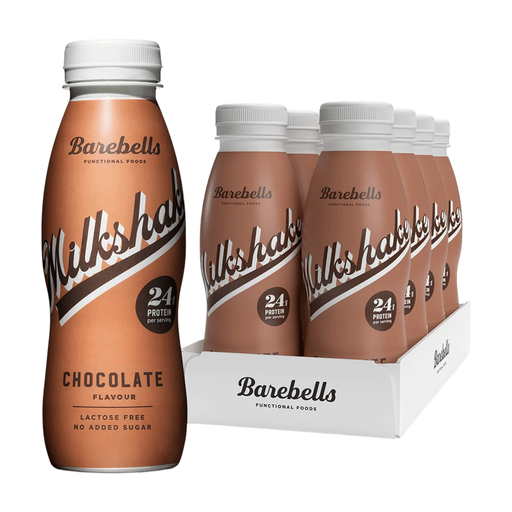
Why this choice suits this profile : The ready-to-drink format is convenient on busy days, when travelling between home and the gym, or for anyone who would rather not carry a scoop.
The serving is already defined in a 330 ml bottle. The product page states 24 g of protein, 198 kcal and no added sugars per bottle.
A lactose-free drink according to the product page, sold in packs of eight. Refrigerate after opening and consume within 24 hours.
Protein powder can complement breakfast, a snack or a meal when preparing a conventional food is difficult. Bars and drinks are suitable for occasional consumption, but they do not automatically replace a varied meal.
For everyday meals, prawns, lobster, chicken and fish offer different textures and uses. However, keep an eye on salt and fat: Jack Link’s jerky, for example, contains 48.7 g of protein and 4.9 g of salt per 100 g. The portion you actually consume should therefore be taken into account.
Follow the instructions on the packaging, particularly the maximum recommended dose stated for food supplements. If you are pregnant or breastfeeding, taking medication, have an allergy or experience intolerance, seek advice from a healthcare professional.
We have put together a complete, real-time updated list of products that fully meet these strict selection criteria and European safety regulations.
It all depends on your overall diet, your needs and the type of product. The products featured provide approximately 15 to 24 g per serving for bars, drinks and powders. Always compare this figure with the serving size and the other nutrients.
Yes, as it requires neither a shaker nor access to water. On the other hand, it takes up more space and may cost more per serving. Whey powder is generally more versatile: it can be mixed with water or milk and can also be added to a range of recipes.
Follow the date shown on the packaging and the storage conditions recommended by the manufacturer. Powder should be stored in a dry place, away from light and moisture. A bar can generally be kept at room temperature, while an opened drink should be refrigerated according to the instructions on its product page.