What should you look for?
Start with the fibre content per 100 g, then consider the whole preparation if appetite, texture or ingredients matter more to the person who’ll be eating it.
| What to consider |
What to check |
Who is it for? |
| Fibre content |
Compare fibre per 100 g and check the sugars too. Under Regulation (EC) No 1924/2006, the claim ‘high in fibre’ requires at least 6 g per 100 g or 3 g per 100 kcal. |
I want to choose a cereal with clearly stated fibre content, rather than relying on the name of the porridge alone. Around 29% of consumers make this a priority. |
| Nutritional value of the prepared dish |
Check the energy and protein per portion, taking added ingredients into account. If someone is losing weight, seek medical advice. |
If an older person eats very little, I want to know what the whole breakfast provides, not just the oats. Maintaining this nutritional intake is the priority for around 36% of consumers. |
| Texture and tolerance |
Choose a consistency the person can manage and adjust the preparation as needed. Difficulty swallowing or ongoing constipation calls for professional advice. |
If a dish is too difficult to eat, it may be left in the bowl; I’m looking for a texture that suits the person. This comes first for around 21% of consumers. |
| Ingredients and simplicity |
Compare the ingredients list and preparation instructions, and check the allergen and ‘may contain’ statements on the exact pack. |
For breakfast I prepare regularly, I prefer to know which cereals are in the mix and choose the additions myself. Around 14% of consumers favour this simple ingredient list. |
Joybuy products for making porridge
This selection includes an oat mix with linseeds and cocoa, oat flakes and oat groats. Choose according to the ingredients you’re looking for, then check the nutritional information and preparation method to make sure they suit the older person who’ll be eating it.
 Image unavailable
Quaker Oatmeal with linseeds and cocoa, 245 g
This mix is worth considering if you’d like oats, linseeds and cocoa together in one product. Before choosing it for its fibre content, compare the nutritional values on the packaging, especially the sugars, and check the gluten statements.
View on Joybuy
 Image unavailable
BJORG organic oat flakes, 500 g
Consider these flakes if you prefer to make porridge and choose the other ingredients yourself. Check the pack for fibre per 100 g, allergen statements and preparation instructions, then adjust the texture to suit the person who’ll be eating it.
View on Joybuy
 Image unavailable
Quaker Oats, 500 g
These plain oats let you choose what to add to your porridge. Quaker France states that Quaker Oats contains 9.0 g of fibre and 11 g of protein per 100 g, and may contain barley and wheat. If these need to be avoided, check the packaging of the product you buy.
View on Joybuy
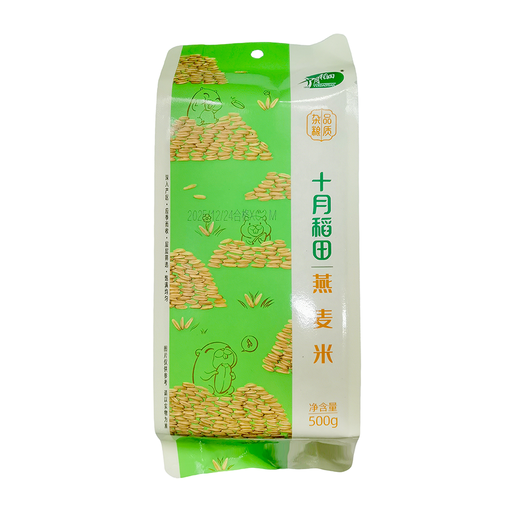 Image unavailable
Oat groats, 500 g
These groats are another option if you’d like to make porridge from oats rather than flakes. Check the cooking instructions, fibre content and allergen statements on the pack, then make sure the resulting texture is suitable for the person who’ll be eating it.
View on Joybuy
Frequently asked questions
What does ‘high in fibre’ mean on porridge sold in France?
Under Regulation (EC) No 1924/2006, which applies in the European Union, this claim requires at least 6 g of fibre per 100 g or 3 g per 100 kcal. It doesn’t tell you about the sugars, protein, energy or allergens on its own, so check the rest of the label too.
Is high-fibre porridge enough if an older person eats very little?
No. Fibre content alone doesn’t tell you whether breakfast provides enough nutrition. Manger Bouger points out that nutritional needs do not necessarily decrease with age and recommends discussing weight loss in older people with a doctor. Consider the portion and all the food they eat.
Can porridge replace medical advice for constipation?
No. Ameli.fr explains that dietary fibre helps support digestion, but constipation can be occasional or chronic. If symptoms persist or cause concern, seek medical advice rather than relying solely on a change of cereal.
Are oat flakes automatically suitable if gluten needs to be avoided?
No. Check the specific product and the reason gluten needs to be avoided. Quaker France says Quaker Oats may contain barley and wheat, while Carrefour France states that its Carrefour Bio oat flakes may contain traces of other cereals containing gluten. If someone has coeliac disease or an allergy, follow medical advice and the information on the pack.


