For those comparing fibre content
You want to know the fibre content per 100 g and per stated serving, rather than relying on the claims on the box alone.


To choose high-fibre cereals for a weekend breakfast, first compare the fibre, sugar and salt per 100 g, then check the serving size and allergens. A wheat-bran recipe may suit you if fibre content is your priority, while porridge oats or plain muesli give you the freedom to build your own bowl. If you prefer a crunchy or flavoured recipe, check the sugar content and serving size too.
You want to know the fibre content per 100 g and per stated serving, rather than relying on the claims on the box alone.
You prefer to start with porridge oats or plain muesli and choose your own breakfast toppings.
You’re looking for a particular texture or a flavoured recipe, while still comparing fibre, sugar, serving size and allergens.
To compare different recipes, start with the values per 100 g. The serving size and ingredients list will then help you put those figures into the context of your own breakfast.
| What to compare | What to check | Who is it for? |
|---|---|---|
| Fibre content | Fibre per 100 g, then per stated serving; ingredients in the recipe. | If fibre content matters most, I want to compare boxes on a like-for-like basis. Around 33% of consumers put this measurable value first. |
| A bowl you can customise | The type of cereal base and the ingredients list; toppings to add according to your preferences. | For a weekend breakfast I can put together myself, I prefer to choose an oat or plain muesli base. This flexibility is the main priority for around 25% of consumers. |
| Flavoured recipe | Sugar and salt per 100 g, then the serving size. | I enjoy a crunchy or flavoured recipe, but don’t want to overlook the other nutritional values. Around 25% of consumers put balancing these factors first. |
| Allergens | Ingredients, declared allergens and any ‘may contain’ warnings on the packaging. | If certain ingredients affect what I can buy, I need to check the exact recipe before choosing. For around 17% of consumers, this is the main concern. |
On its own, this claim doesn’t tell you about the sugar, salt or fat in the recipe. Kellogg’s France product information, for example, shows different fibre contents for All-Bran Fibre Plus and Special K Fibre.
Compare the nutritional values per 100 g before looking at the serving size.
Kellogg’s France lists a 40 g serving for All-Bran Fibre Plus and a 45 g serving for Special K Fibre, while Nestlé Céréales France lists 30 g for FITNESS Original Nature. So the figures per bowl aren’t based on the same quantity.
Compare the products per 100 g first, then take into account how much you’ll serve.
Carrefour’s Muesli 5 Céréales Nature Bio contains oats, wheat, rye and barley, among other ingredients. Check the ingredients for each product individually.
If you have dietary requirements, read the ingredients, allergens and any ‘may contain’ warnings on the packaging of the product you choose.
The All-Bran and Special K Fibre ranges offer two recipes to compare if you’re looking for wheat-bran cereals.
FITNESS Original Nature is a wholewheat flake cereal with a stated fibre content.
Carrefour and Carrefour Bio offer oat-based cereals and mueslis to consider when you want to customise your bowl.
Quaker porridge oats and crunchy recipes offer two distinct ways to make a breakfast bowl.
The Country Crisp range includes granola recipes, including chocolate and berry varieties.
This selection includes oat bases to prepare, a multigrain cereal and a crunchy recipe to help you put together a weekend breakfast. Check the packaging to compare the nutritional values and allergens for the products available.
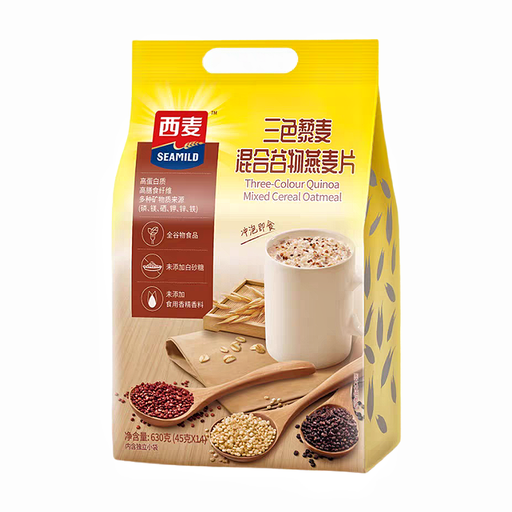 Image unavailable
Worth considering if you’d like a multigrain cereal for your weekend bowl. Check the fibre per 100 g and per serving, along with the ingredients on the packaging.
 Image unavailable
A ready-made oat bowl with linseed and cocoa, rather than a plain base. Compare the fibre and sugar per 100 g, then consider how much you plan to serve.
 Image unavailable
An oat base to choose if you prefer to decide what goes in your bowl. The ‘organic’ label doesn’t replace checking the fibre per 100 g or the allergen information.
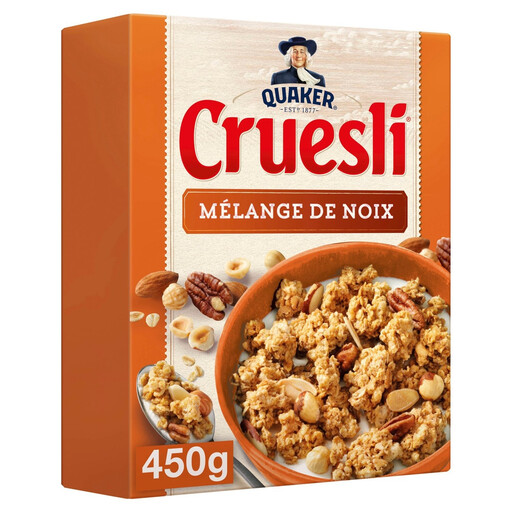 Image unavailable
For anyone who prefers a crunchy nut recipe to plain oats. Compare the fibre and sugar per 100 g, and read the information about nuts.
 Image unavailable
Another oat base for making breakfast your way. Check the fibre per 100 g and adjust your comparison to the serving you’ll have.
Compare their fibre, sugar and salt per 100 g, then check how much you’ll serve. Figures per serving alone can be misleading when brands list different serving sizes.
No. The European Union regulates the use of nutrition claims, but this claim alone doesn’t tell you about sugar, fat, salt, ingredients or serving size. Read all the nutritional information and the ingredients list.
Fibre content alone isn’t enough to establish this effect for an individual cereal. When choosing your bowl, consider the recipe and serving size as part of your overall breakfast, rather than attributing this result to a single claim on the packaging.
Read the ingredients list, highlighted allergens and any ‘may contain’ warnings on the packaging of the product you choose. Muesli may contain several different cereals, for example, so its name or fibre content doesn’t tell you whether it’s suitable for a particular dietary requirement.