Households with an appliance that runs constantly
Your fridge or freezer is getting old, and you want to compare its annual energy use with that of an appliance of a suitable capacity. ADEME points out that these appliances run continuously.


Start by checking whether your electricity use has actually increased, then look at the appliance that runs continuously or that you use most often. For refrigeration, compare annual energy use and capacity; for a washing machine or dishwasher, consider the figures per cycle alongside your habits and the capacity you need. An energy rating alone won’t tell you how much you’ll save: the condition of your current appliance, how easy it is to repair and the terms of any second-hand purchase matter too.
Your fridge or freezer is getting old, and you want to compare its annual energy use with that of an appliance of a suitable capacity. ADEME points out that these appliances run continuously.
You use a washing machine or dishwasher often and want to weigh up water and electricity use against capacity, Eco programme duration and noise levels.
You’re considering a second-hand or refurbished appliance, provided you can check its condition, model, suitability for your needs and the seller’s status.
After a bill increase or as an appliance gets older, first identify your main need: refrigeration, laundry, dishwashing or a second-hand appliance. Then compare models in the same category and with a suitable capacity.
| What you need | What to check | Who it matters to |
|---|---|---|
| Appliance running continuously | Compare kWh per year for appliances with a similar capacity and configuration, after checking how your household’s kWh use has changed. | If my fridge or freezer is getting old, I want to know whether it’s worth looking into replacing it before appliances used in cycles; around 36% of consumers would make this their top priority. |
| Frequent washing | Compare the capacity with your usual loads, the kWh per 100 cycles and the litres per cycle for the reference programme. | When one load of washing follows another, I need a machine that suits my loads rather than a large drum that’s often only partly full; this would be the main concern for around 29% of consumers. |
| Regular dishwashing | Check the place settings, Eco programme figures and duration before comparing models. | I run the dishwasher regularly and want a capacity I can fill without having to run extra cycles; around 21% of consumers would prioritise this. |
| A second-hand appliance you can check | Ask for the exact model, its condition and accessories, and the seller’s status. If the appliance is described as refurbished, ask what tests have been carried out. | If I choose an appliance that’s already been used, I want to assess its condition and know who to contact if something goes wrong; around 14% of consumers would put this need first. |
France’s national energy ombudsman distinguishes between an increase in the price charged and an increase in energy use. A higher bill alone doesn’t tell you which appliance to replace.
Check how your kWh use has changed, using your meter readings, before drawing up a shortlist of appliances.
The letter rating doesn’t tell you everything about kWh, water use, capacity or programme duration. The figures relate to different types of use, depending on whether you’re looking at a refrigeration appliance or one that runs in cycles.
Compare appliances in the same category, with a similar size and capacity, then relate the label figures to how you use yours.
A capacity that exceeds your usual load size doesn’t guarantee lower energy use. ADEME recommends avoiding cycles with an insufficiently full drum.
Think about your regular loads before choosing a capacity, rather than basing your decision on occasional large washes.
According to France’s DGCCRF, a refurbished appliance is a second-hand item whose functions have been tested. The seller’s status also matters for the legal guarantee of conformity in France.
Ask what tests have been carried out and check whether you’re buying from a business or a private seller.
Worth considering if you’re comparing integrated and freestanding dishwashers, and installation, baskets and cycle information are important to your choice.
Consider Miele if spare part availability is an important factor for the appliance you’re looking at.
Include Beko in your shortlist if you want to compare laundry, refrigeration and dishwashing appliances within one range.
These appliances let you explore three replacement decisions: choosing a washing machine that suits your household’s loads, a compact dishwasher or a large-capacity fridge-freezer. Compare each model with your current appliance and others in the same category; this selection alone can’t tell you whether a new, second-hand or refurbished appliance is the right choice.
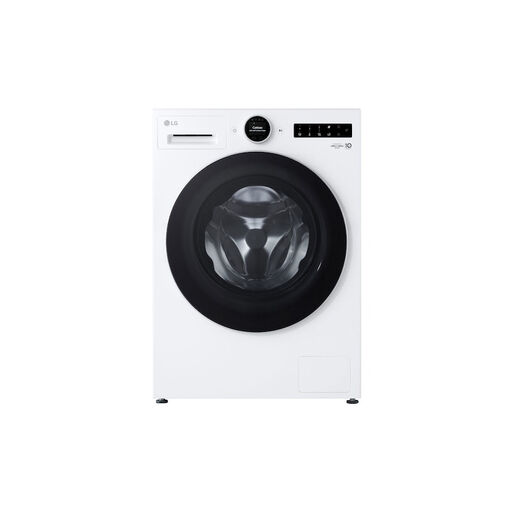 Image unavailable
Worth considering if your usual loads justify an 11 kg capacity; a drum that’s often only partly full won’t become more energy efficient simply because it’s larger.
Energy rating A. Check the installation dimensions, applicable durability index and electrical safety information before buying.
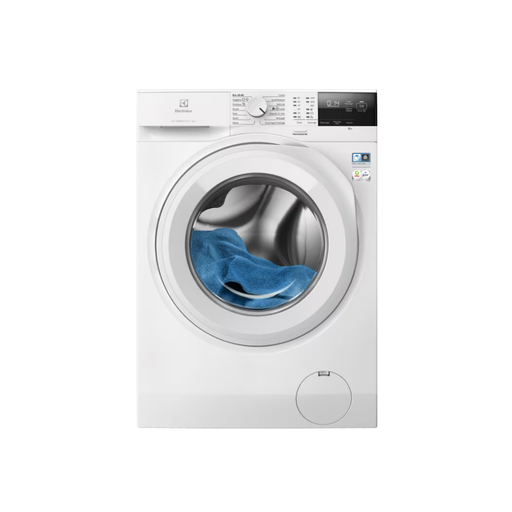 Image unavailable
Consider this if an 8 kg capacity suits your usual laundry loads; compare it with the number of cycles you actually run.
Spin speed listed as 1,400 rpm. To compare water and electricity use with other washing machines, check the figures and reference programme on the model’s label.
 Image unavailable
An option to compare if your usual loads suit a 9 kg capacity and the settings work for the way you do your laundry.
Spin speed listed as 1,600 rpm. Check the label to see which programme the water and electricity figures relate to, as well as the applicable durability index.
 Image unavailable
Consider its tabletop design and stated capacity of 6 place settings in relation to your available space and the amount of crockery you wash in each cycle.
Energy rating D. Check the dimensions, repairability index and Eco programme figures on the label before comparing energy use.
 Image unavailable
Worth considering if you really need a capacity of 467 L; compare it with your current appliance and models with a similar configuration.
Energy rating E and Total No Frost feature listed. Check the annual energy use on the label and the space needed for installation.
No: it doesn’t tell you what caused the increase or which appliance is responsible. France’s national energy ombudsman distinguishes between an increase in the price charged and an increase in energy use. So check your meter readings and how your kWh use has changed before comparing replacement options.
Compare models within each category, with a similar capacity, rather than comparing a washing machine directly with a dishwasher. ADEME and the European Commission list figures including kWh per 100 cycles and litres per cycle. Take the reference programme and how often you use the appliance into account, and don’t treat these figures as a guaranteed saving.
According to ADEME, the durability index replaced the repairability index for washing machines in France in April 2025. For eligible dishwashers, France’s Ministry for the Ecological Transition lists a repairability index. Check the index shown for the specific model and also find out about the parts you may need.
In France, it does when a private individual buys a second-hand or refurbished item from a professional seller, as the DGCCRF explains. This legal guarantee of conformity doesn’t apply to sales between private individuals. Check the seller’s status, the model and the stated condition before buying.