
Livraison le jour même ou le lendemain

Qualité garantie

Débloquez vos offres de bienvenue: Livraison GRATUITE | Jusqu'à -80 % | 30 jours d'essai gratuits à JoyPlus
Téléchargez l'application
The 2026 smartphone market is white-hot. Between ubiquitous artificial intelligence, camera modules that now rival traditional cameras, and ever-faster connectivity, it's easy to get lost. Purchasing a high-end smartphone is a significant investment. It's therefore crucial to know how to decipher spec sheets and look beyond marketing promises to find that hidden gem: the model that will perfectly meet your expectations.
Our mission at Joybuy? To guide you with clear, objective information. This guide breaks down the essential features of this year's flagships and presents our top picks to help you buy a new smartphone with peace of mind.
Before we break down our selection, let's review the essential criteria that will help you make the right choice.
The historic duel between iOS (Apple) and Android remains the first question to ask. If you're already equipped with Apple products (Mac, iPad, Apple Watch...), opting for the latest iPhone is a no-brainer to enjoy unparalleled synergy and a seamless user experience. Conversely, a premium Android smartphone opens the door to a more flexible ecosystem, with a much wider choice of brands and nearly infinite customisation possibilities.
The megapixel race is over. To judge the quality of a photo smartphone, don't be blinded by the numbers. Instead, look at the fundamentals: the size of the main sensor, the lens aperture (the famous ?-number), the presence of optical image stabilisation (OIS), and the versatility of the modules (ultra-wide, telephoto...). In 2026, artificial intelligence is everywhere. A good AI smartphone doesn't just improve image processing; it optimises battery life and offers intelligent assistants that are real game-changers in daily use.
In the high-end segment, a 5G smartphone is now the standard. To ensure your investment is future-proof, also check for compatibility with the latest wireless standards, like Wi-Fi 7. An often-overlooked yet crucial point is the manufacturer's update policy. Extended software support (5 to 7 years) is the best guarantee for your device's security, as well as for maintaining its resale value.
After the theory, comes the practice. Here are three smartphones that, in our opinion, stand out from the crowd in 2026 for their performance and value proposition.
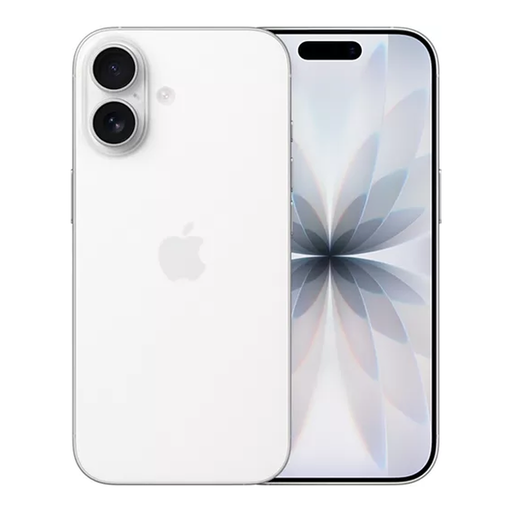
Why it stands out: The iPhone 17 builds on the recipe that made Apple successful: a hardware and software synergy that borders on perfection. Powered by the A19 chip and the deep integration of Apple Intelligence, it delivers a user experience of rare fluidity and relevance, all in a design that is as familiar as it is effective.
Key Features:
Who is it for? For die-hard fans of the Apple brand and anyone who prioritises a simple, ultra-secure (Face ID), and perfectly polished mobile experience, where everything works together seamlessly.

Why it stands out: The HONOR 400 Pro goes all-in on photography, with an impressive camera module built around a 200MP main sensor. Add to that a screen with record-breaking brightness and a power-packed spec sheet, and you get a formidable competitor, tailor-made for content creators.
Key Features:
Who is it for? For smartphone photography enthusiasts looking to push the boundaries of their creativity, as well as the most demanding users in search of raw performance, ample storage, and rock-solid battery life.
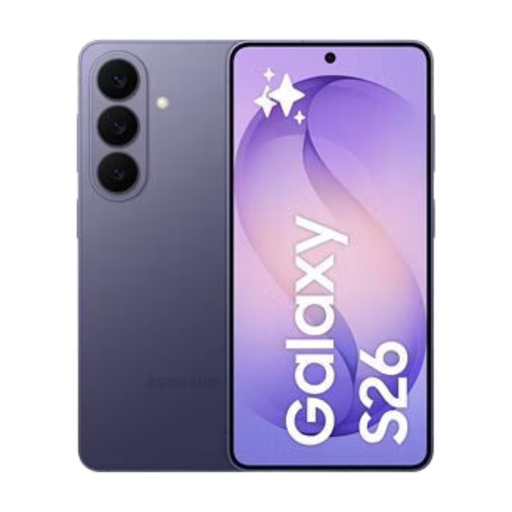
Why it stands out: The Galaxy S26 bets big on intelligence with the deep integration of Galaxy AI, a suite of tools that simplify daily life, from photo and voice editing to intuitive visual search. Samsung's commitment to 7 years of updates makes it a particularly smart choice for the future.
Key Features:
Who is it for? For lovers of the premium Android smartphone experience, who appreciate customisation, multitasking, and the latest AI innovations. A top-tier choice for professionals and savvy tech enthusiasts alike.
This selection is, of course, just a glimpse of the excellent models available in 2026. If you have a different budget, specific needs, or are simply curious, feel free to explore our full catalogue.
To put it simply, optical zoom uses the device's lenses to get closer to the scene without any loss of quality. Digital zoom, on the other hand, just crops into the image, which inevitably degrades sharpness. Today, a good photo smartphone combines a telephoto lens (for optical zoom) with powerful AI algorithms to minimise quality loss in digital zoom, or even create a high-quality "hybrid" zoom.
In practical terms, what does that mean for you? An AI smartphone relies on algorithms to simplify your life. Think sharper and brighter night photos, magic touch-ups that erase an unwanted element from a shot, battery management that adapts to your usage to last longer, or even instant translation of a conversation or a restaurant menu.
This is a crucial point, and fortunately, the trend is towards longer support periods. At Apple, you can count on 5 to 7 years of major iOS updates, a record for longevity. On the Android side, things have greatly improved: manufacturers like Samsung and Google now guarantee 7 years of updates (system and security) on their flagships. This is a major selling point when you buy a new smartphone, as it ensures its security and value over time.