
Livraison le jour même ou le lendemain

Qualité garantie

Débloquez vos offres de bienvenue: Livraison GRATUITE | Jusqu'à -80 % | 30 jours d'essai gratuits à JoyPlus
Téléchargez l'application
The desire to customise a gaming space with hexagonal gaming LED panels is an increasingly popular choice. These lighting systems promise to transform a simple desk into a fully immersive command centre. However, behind the enticing videos and photos lie pitfalls that can turn a promising purchase into a costly disappointment. Before you commit, it's essential to know how to spot the weaknesses that product descriptions often fail to mention.
The two most common issues involve fundamental aspects:
To make the right choice, you need to look beyond just aesthetics. Here are the technical points to verify to ensure the quality and longevity of your gaming setup lighting.
Modularity is the main appeal of these lights. The ability to create a honeycomb lamp or any other custom shape depends entirely on the connection system between the panels.
A modern modular wall light must offer more than just static light. Control and customisation are at the heart of the experience.
An often-overlooked detail, yet one that determines the lifespan of your installation.
Rather than a simple list, we've matched each product to a specific user profile to help you find the gear that truly fits your needs.
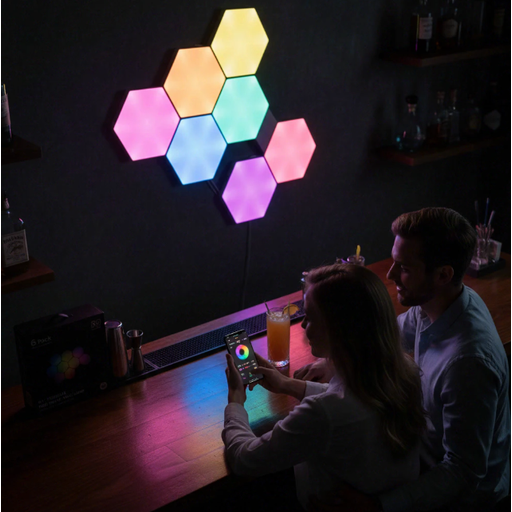
Why we chose it: This kit is designed for those who want responsive and fully customisable ambient lighting. Perfect for a gaming setup or a living room wall, it brings music to life and creates unique lighting scenes.
The USB connection system between panels ensures simple and reliable modularity. The manufacturer recommends slightly heating the adhesive tape before application for better adhesion: a practical tip to prevent the mounts from failing.
The music sync function makes the panels react to the beat, with colours and speed that adapt to the ambient sound, all controllable from an app or the included remote.
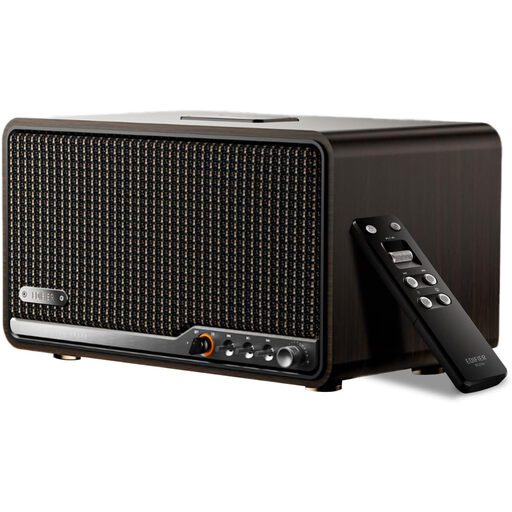
Why we chose it: For those who believe immersion comes from sound as much as visuals. This speaker combines a retro-chic aesthetic with high-resolution audio quality, complementing a modern setup with no compromise on sound performance.
This product avoids the trap of low-quality "all-in-one" gadgets. It focuses on one thing: delivering exceptional sound. The Hi-Res certification and LDAC codec support are true guarantees of performance.
AirPlay 2 compatibility for lossless multi-room audio and Bluetooth 5.4 for a stable connection. Its award-winning MDF wood design makes it as pleasing to look at as it is to listen to.
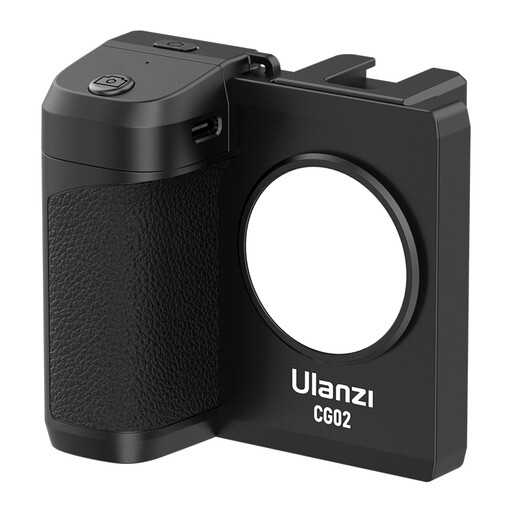
Why we chose it: The clever accessory for streamers and creators who film with their smartphone, whether showing off their setup, their reactions, or on-the-go content. It offers a better grip, stabilisation, and a fill light.
It solves a concrete problem: the difficulty of filming stable, well-lit shots with a smartphone. More than a gadget, it's a functional tool that directly improves the quality of mobile video production.
The detachable Bluetooth remote allows you to start recording from a distance, and the built-in fill light (3 adjustment levels) ensures flattering lighting for selfies and vlogs.
We have compiled a complete list of products that meet our strict selection criteria and safety standards.
Most basic kits come with 6 to 10 panels. The maximum number of panels you can connect depends on the power of the provided AC adapter. Generally, a single power supply can support between 15 and 25 panels. Beyond that, it is often necessary to add a second power supply to maintain uniform brightness across the entire installation. Always refer to the manufacturer's instructions.
This is a real risk with low-quality adhesives. To minimise it, ensure your wall is clean and dust-free before installation. If you are a renter or worried about your paint, you might consider sticking the panels to an intermediate board (like a thin sheet of PVC or wood) which you then fix to the wall with screws. This way, you'll only have small, easy-to-fill holes.
LEDs have a very long lifespan. Most manufacturers claim between 20,000 and 50,000 hours of use, which translates to several years, even with intensive daily use. The weak point is usually not the LED itself, but rather the control electronics or the power supply, which are more likely to fail.