
Livraison le jour même ou le lendemain

Qualité garantie

Débloquez vos offres de bienvenue: Livraison GRATUITE | Jusqu'à -80 % | 30 jours d'essai gratuits à JoyPlus
Téléchargez l'application
A rectangular airtight food container can be used to store leftovers, prepare meals, take lunch with you or make the most of your fridge space. But not every container is right for every purpose. A lid that’s difficult to close, the wrong size or an impractical material can quickly turn a bargain into a repeat purchase.
So, before choosing a food storage container, look beyond the word ‘airtight’. Here are the features to consider, along with a selection of sizes suited to different everyday needs.
A food container with a clip-lock lid isn’t necessarily suitable for carrying soup, sauce or a dish with gravy. A leakproof seal depends on the lid, the silicone seal and the pressure created by the locking mechanism working together.
A four-clip mechanism, as found on several LocknLock models, distributes pressure evenly around the seal. However, make sure each clip is properly closed before putting the leakproof container in your bag.
A small 360 to 450 ml container is suitable for an individual portion, a side dish or a handful of dried fruit. It won’t be large enough for a full meal or a family-sized batch, though. Conversely, a 3.9 or 5.5-litre container takes up more space and isn’t ideal for carrying a meal.
Choose a capacity that suits the amount you usually store, as well as the space available in your fridge, freezer and bag.
Microwave compatibility usually applies to the container itself, not necessarily the lid. In most cases, you’ll need to remove the lid or leave it ajar to let the steam escape. A container described as suitable for the microwave and freezer must not be used in a conventional oven, under a grill or directly on a heat source.
Polypropylene (PP) is widely used to make food containers: it’s lightweight, practical and suitable for everyday use. Check for a BPA-free label and clear confirmation that the container is suitable for food contact. Some models, such as the Bisfree Modular Plus, also use Tritan for the container body.
Transparency is a real everyday advantage: you can see what’s inside without opening every container. If you’re buying for family use, also look for impact resistance and check whether it’s easy to replace a damaged container.
The silicone seal creates an airtight fit between the lid and the container. If it’s removable, you can take it out to clean food residue from the grooves. This helps maintain an effective seal and prevent lingering odours.
After washing, leave the different parts to dry separately before putting the lid back on. Even if the container is dishwasher safe, hand-washing the seal can help keep it supple for longer.
A stackable food container should have a flat enough lid and a stable base. Rectangular models generally make better use of space in a fridge or cupboard than round containers.
When freezing liquids, don’t fill the container all the way to the top: food expands as it freezes. For transport, always place the container upright in your bag and check all four clips before you set off.
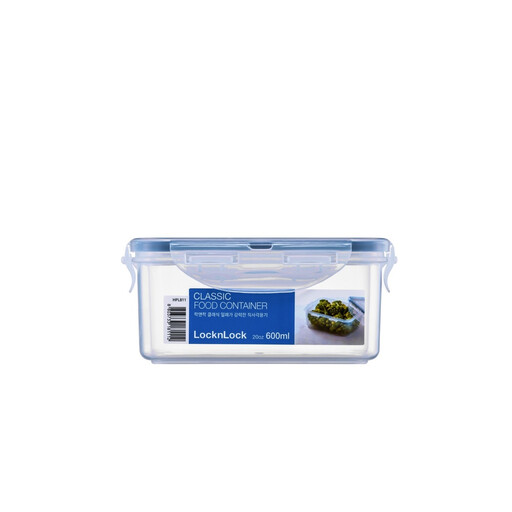
Why it’s a good fit: With a capacity of 600 ml, this size is ideal for leftovers, individual portions and taking a meal with you, without taking up too much space.
Its mid-sized capacity reduces the risk of choosing a container that’s too large for everyday use. The secure lid is designed to help prevent leaks.
Transparent body, 600 ml capacity, and stated compatibility with the freezer, microwave and dishwasher.
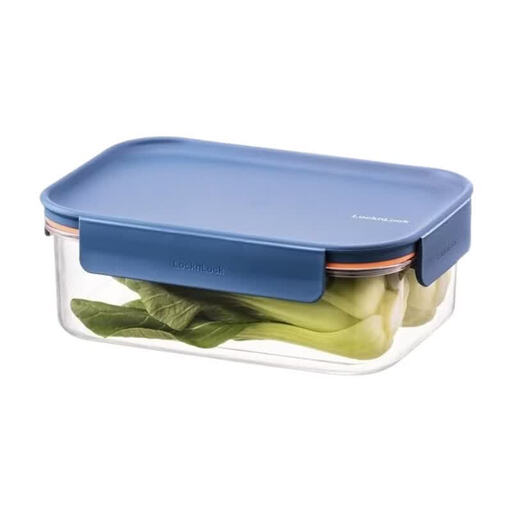
Why it’s a good fit: This versatile size features a modular design, making it ideal if you like to keep your kitchen perfectly organised.
Its rectangular, stackable design makes better use of the height in your fridge and helps you avoid accumulating containers that don’t fit together.
910 ml capacity, Tritan body according to the product details, silicone seal, and stated compatibility with the dishwasher, freezer and microwave.
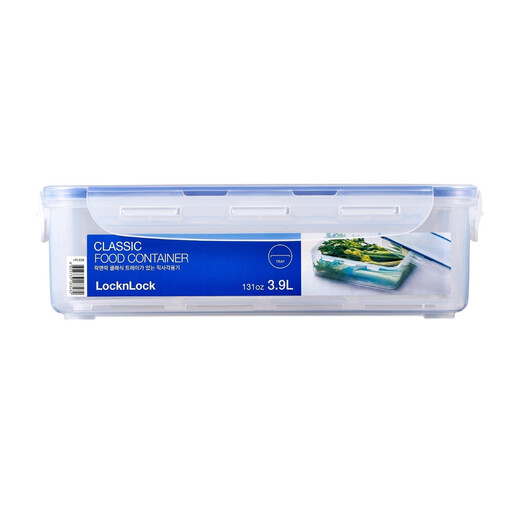
Why it’s a good fit: Its generous capacity is ideal for families, bulk shopping and preparing meals in one go.
Its capacity means you won’t need to divide a large batch between several small containers, while its rectangular shape makes it easy to store.
3.9 litre capacity, four-sided locking system, removable silicone seal, and stated compatibility with the fridge, freezer, microwave and dishwasher.
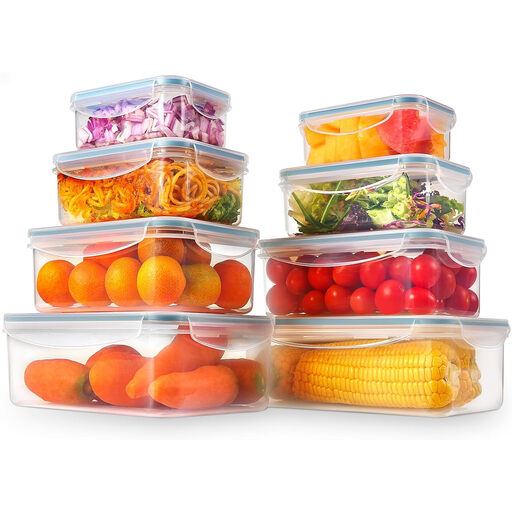
Why it’s a good fit: A set with several sizes makes meal prep, storing leftovers and packing lunches for work easier.
The different sizes mean you won’t need to use a large container for a small portion. The containers are designed to stack and nest inside one another.
Eight pieces, stated total capacity of 11 litres, BPA-free plastic, and stated compatibility with the microwave, freezer and dishwasher.
We’ve put together a comprehensive, regularly updated selection of products that meet these exacting criteria and European safety requirements.
For a lunch with a main course, a capacity of 600 to 1,000 ml is generally suitable. A 360 to 450 ml model is better for a side dish, snack or small portion. For a family, it’s best to use a combination of sizes rather than relying on one large container.
Yes, as long as the product details say it can. For microwave use, remove the lid or leave it ajar. In the freezer, leave some space at the top to allow for food to expand. Never use a plastic container in a conventional oven or under a grill unless the manufacturer explicitly says it’s suitable.
It depends on how often you use it, how it’s washed and the condition of both the plastic and the seal. Replace the container as soon as you notice a crack, significant warping, a lingering odour or a lid that no longer closes properly. Regular care, including removing the seal for cleaning, can help it perform well for longer.