Those who’d like a hot drink after a meal
If you have access to hot water before you set off or during your journey, compare mint, spiced and herbal blends by taste. Also check the recommended water temperature, volume and brewing time.


To enjoy an infusion with a meal on the train, first choose one you can prepare with the water available: a hot infusion if you can follow its instructions, or one designed for cold water if you’re taking a water bottle. Then compare blends by taste, ingredients and format. A ‘digestive’ or ‘after-meal’ label is not evidence of a medical effect.
If you have access to hot water before you set off or during your journey, compare mint, spiced and herbal blends by taste. Also check the recommended water temperature, volume and brewing time.
If you can’t rely on having access to hot water, look for an infusion specifically designed for cold water. Make sure the amount of water needed matches your bottle.
If you want to avoid a particular plant or flavouring, check the full ingredients list before you set off. Pay particular attention to liquorice if you consume it frequently and in large quantities, as the Anses advises.
First check how you’ll prepare your drink during your journey, then choose the flavour profile and ingredients that suit you.
| What to consider | What to check | Who is it for? |
|---|---|---|
| Preparing your drink during the journey | The brewing method, amount of water and container needed: a hot infusion and a cold-water infusion are prepared differently. | Without access to hot water, I want to be able to make my drink in a water bottle. Around 33% of consumers rank this as their top need. |
| Flavour after a meal | The main plants and flavours: mint, spices or fruity notes, depending on the blend. Don’t assume it has a particular effect based on its name. | After eating, I’m mainly looking for a flavour I enjoy and a moment to drink it. Taste is the top priority for around 45% of consumers. |
| Ingredients | The ingredients list, declared allergens and whether it contains liquorice. The Anses advises caution if liquorice is consumed frequently and in large quantities. | If I avoid certain ingredients or often drink the same blend, I want to know exactly what it contains. Around 22% of consumers say this is their main concern. |
The instructions for a hot infusion are different from those for a blend designed for cold water. For example, Lipton recommends 200 ml of water at 100 °C and 4 to 5 minutes for its Mint Cinnamon infusion.
Before you buy, decide whether you’ll make your drink before boarding, with hot water available, or in a bottle of cold water. Choose a blend designed for your preferred method.
A name suggesting it’s for after a meal doesn’t mean an infusion can treat a symptom.
Choose based on flavour, ingredients and the preparation instructions, rather than treating the name as a medical claim.
Liquorice may be combined with other plants in a blend. According to the Anses, frequent and high consumption of liquorice can lead to issues including hypokalaemia and high blood pressure.
Read the ingredients and any warnings on the packaging. If you’re considering drinking it regularly and have a relevant health risk or take medication, seek appropriate professional advice.
These ranges offer blends and preparation methods to compare. Choose based on the specific product, not just the brand.
The range includes herbal and flavoured blends prepared with hot water.
The range includes both a Mint Cinnamon infusion for hot water and a Mango Rooibos blend designed for cold water.
This own-brand range lets you compare everyday blends sold in boxes of tea bags.
E.Leclerc’s ranges offer herbal blends to compare by recipe and packaging.
This range includes herbal infusions with preparation instructions you can compare before your journey.
These products include a cold-water option and several herbal blends to consider for an after-meal drink. Compare their instructions and ingredients with what you’ll be able to prepare during your journey.
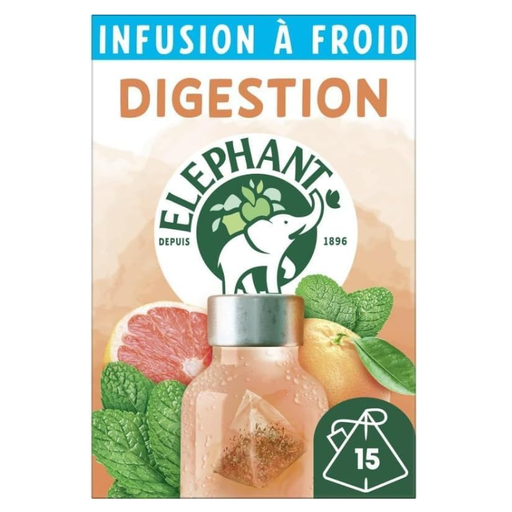 Image unavailable
A cold-water infusion to consider if you’re making your drink without hot water. The box contains 15 tea bags; check the packaging for the amount of water and brewing time required.
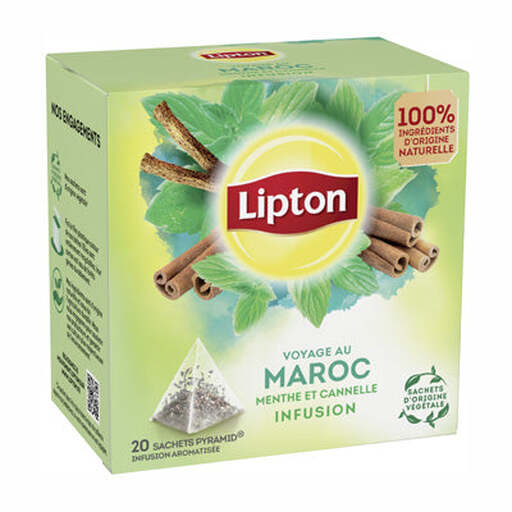 Image unavailable
For anyone who enjoys a mint and cinnamon infusion and has access to hot water. Lipton recommends 200 ml of water at 100 °C for 4 to 5 minutes; the box contains 20 tea bags. Check the full ingredients list before buying.
 Image unavailable
A herbal blend to consider if you’re looking for a drink after a meal. The stated pack size is 40 g; check the ingredients and brewing instructions to see whether it’s suitable for your journey.
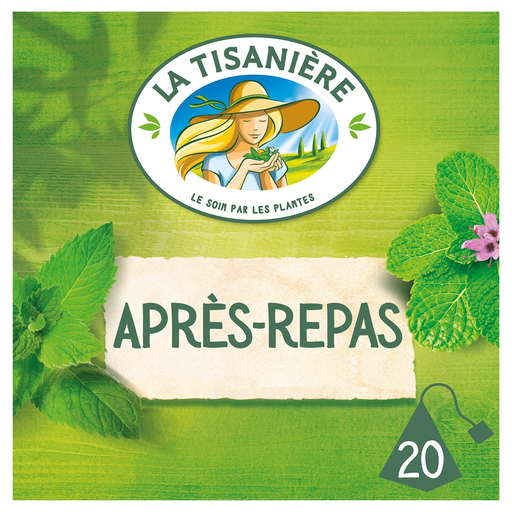 Image unavailable
Worth considering if you prefer an aniseed, mint and verbena blend after a meal. The box contains 20 tea bags; check the preparation instructions and ingredients list before you set off.
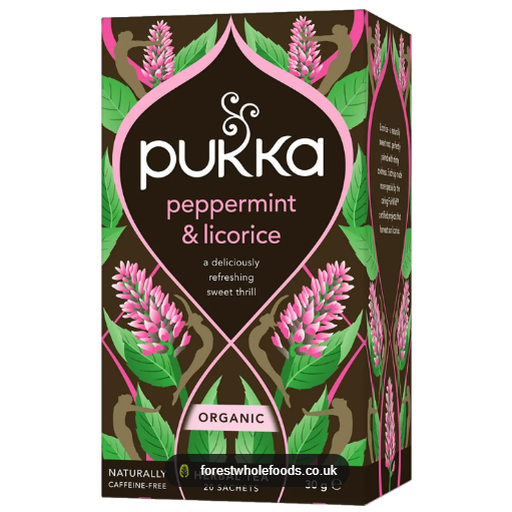 Image unavailable
For anyone looking for a peppermint and liquorice blend, in a box of 20 tea bags. Check the brewing instructions. The Anses advises particular caution with frequent and high consumption of liquorice.
Yes, if you can get the water and allow the brewing time required for the product you choose. For example, Lipton recommends 200 ml of water at 100 °C and 4 to 5 minutes for Mint Cinnamon; Twinings recommends 250 ml of water at 100 °C and five minutes for its infusion called Digestion. If you can’t use hot water, choose a blend designed for cold water.
Yes, as long as the blend is designed for cold water and your bottle has the capacity required. For its Mango Rooibos Cold Infusion, Lipton recommends 500 ml of cold water and five minutes of brewing.
Read the ingredients and any warnings before making it a regular drink. The Anses links frequent and high consumption of liquorice with risks including hypokalaemia and high blood pressure. It also notes particular sensitivity during pregnancy or breastfeeding, in children, and in people with cardiovascular, kidney or liver problems. If this applies to you, seek appropriate professional advice.