When looking for a strong-flavoured herbal tea while moving in, start with the ingredients and preparation method rather than words such as “strong” or “wellness”: on their own, they don’t tell you how intense the brew will taste. If you plan to drink it in the evening, also check whether it contains tea or maté, and look for an explicit “caffeine-free” label. For liquorice blends, bear in mind the precautions around consuming large amounts regularly.
Who are these options for?
Fans of bold flavours
If you find mild herbal tea a bit bland, compare the ingredients according to the flavours you’re after: spices, mint, hibiscus or liquorice. Auchan’s range includes, for example, lemon, ginger and black pepper blends, as well as spiced herbal teas. The ingredients give you an idea of the flavour profile, but don’t guarantee a particular level of intensity.
Students who drink herbal tea in the evening
Before choosing a blend for the end of the day, check whether it contains tea, matcha or maté. The Anses says caffeine can delay falling asleep and reduce sleep duration and quality. An explicit “caffeine-free” label makes it easier to choose.
People moving in with limited kitchen equipment
Tea bags can be prepared without any specialist equipment, but the amount of water depends on the blend. For example, the Lipton pomegranate and hibiscus cold brew featured by Auchan is made with 500 ml of cold water and steeped for five minutes. It’s a different way to enjoy herbal tea from a hot mug.
What should you look for before buying?
For a full-bodied cup, first choose an ingredient profile that appeals to you, then check the caffeine content, any precautions for that particular blend and its preparation instructions.
| What to look for |
Check |
Who is it for? |
| Full-bodied flavour |
Look for ingredients that match the flavours you like, then follow the water quantity and steeping time on the pack. |
I want a cup with spicy, fresh or tangy notes, rather than just an evocative product name; around 33% of consumers put this bold flavour first. |
| Caffeine in the evening |
Check for tea, matcha or maté, and look for an explicit “caffeine-free” label if needed. |
When I have herbal tea before bed, I’d rather not accidentally choose a caffeinated blend; this is a priority for around 27% of consumers. |
| Easy preparation |
Compare the number of tea bags, the equipment needed and the amount of water. Make sure you can tell hot-brew blends apart from those prepared cold. |
With just a mug or water bottle to hand while I’m moving in, I’m looking for something that suits the equipment I have; around 27% of consumers prioritise this. |
| Ingredients and claims |
Read the ingredients, especially if the blend contains liquorice, and distinguish flavour descriptions from claims about health benefits. |
If I plan to drink it regularly, I want to know which plants it contains and any precautions to take before trusting the blend’s name; nearly 13% of consumers make this their priority. |
Common pitfalls to avoid
-
Assuming every “wellness” herbal tea is caffeine-free
The same shelf can include blends containing tea or maté alongside ones labelled caffeine-free. The Anses reminds consumers that caffeine can disrupt sleep.
If you want an evening drink, read the ingredients and look for an explicit “caffeine-free” label if that matters to you.
-
Choosing liquorice without considering how much you consume
According to the Anses, consuming large amounts of liquorice products regularly can lead to low blood potassium and high blood pressure, with particular risks for some people.
Look for “liquorice” or “Glycyrrhiza glabra” in the ingredients. If you’re pregnant, breastfeeding, have a relevant health condition or take medication, ask a healthcare professional for advice before consuming it regularly.
-
Treating “detox” or “liver” as proof that a product works
A blend’s name doesn’t prove that it has a therapeutic effect. The DGCCRF says that health claims used for food products are regulated and must be authorised.
Choose according to the ingredients and flavour you’re looking for, rather than treating the blend’s name as medical advice.
Brands and retailers to consider
Lipton
Tea-bag options to compare according to whether you want something for a cold water bottle or a hot mug.
- Auchan describes its pomegranate and hibiscus cold brew as caffeine-free, prepared in 500 ml of cold water and steeped for five minutes.
- This cold-brew option won’t necessarily replace a hot, full-bodied herbal tea; check the ingredients of each blend separately.
Auchan Bio
A range of herbal teas with varied ingredients, best compared blend by blend.
- Auchan’s range includes, for example, lemon verbena and mint blends, as well as blends containing maté or liquorice.
- The range name alone doesn’t tell you whether a blend contains caffeine or whether its ingredients come with any precautions.
Bio Village
Tea bags sold by E.Leclerc, including simple herbal blends with easy-to-identify ingredients.
- E.Leclerc features, for example, boxes of 20 lemon verbena and mint tea bags, and mint and thyme tea bags.
- For a specific blend, check its ingredients and availability with the retailer in question.
Carrefour
A retailer where you can check the detailed ingredients of some herbal teas before choosing.
- A Carrefour listing for a Jardin Bio Étic herbal tea includes rosemary, lemongrass, dandelion, artichoke and liquorice.
- This list applies to that particular blend; it doesn’t mean other herbal teas from the retailer contain the same ingredients or have the same effects.
Tea bags on Joybuy
These tea bags let you compare mint and liquorice, mint and cinnamon, and citrus rooibos blends when you’re moving in with limited equipment. Their names and formats alone can’t guarantee an extra-strong cup, so check the ingredients and preparation instructions for the option you choose.
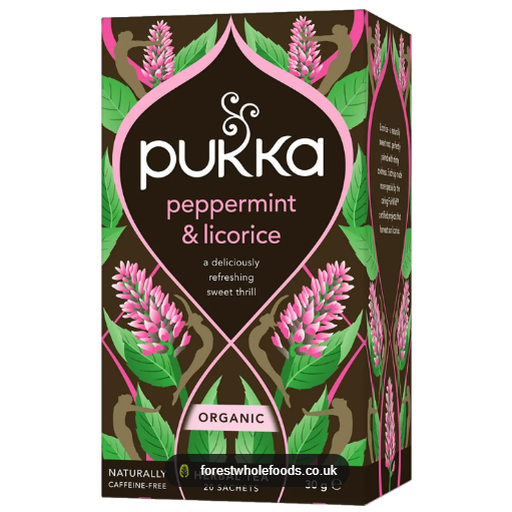 Image unavailable
PUKKA Peppermint & Licorice, 20 sachets
Worth considering if you’re looking for a mint and liquorice blend in tea bags. The Anses advises caution when consuming large amounts of liquorice regularly; also check the steeping instructions on the pack.
View on Joybuy
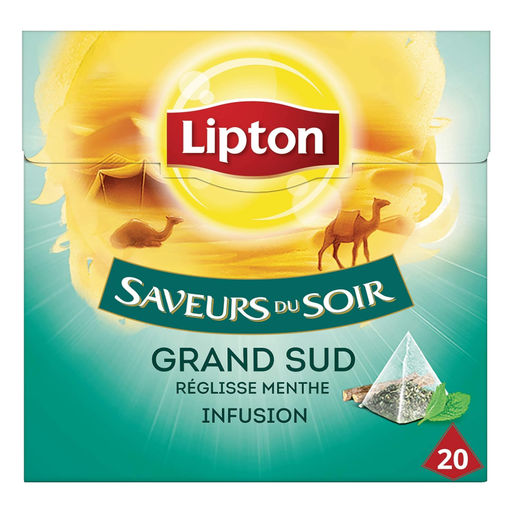 Image unavailable
Lipton Ice Tea South Africa Licorice Mint, 20 sachets
An option in tea bags for anyone who enjoys the liquorice and mint pairing. If you plan to drink it regularly, bear in mind the Anses’ advice on liquorice; also check the pack for preparation instructions and whether it contains caffeine if you’d like to drink it in the evening.
View on Joybuy
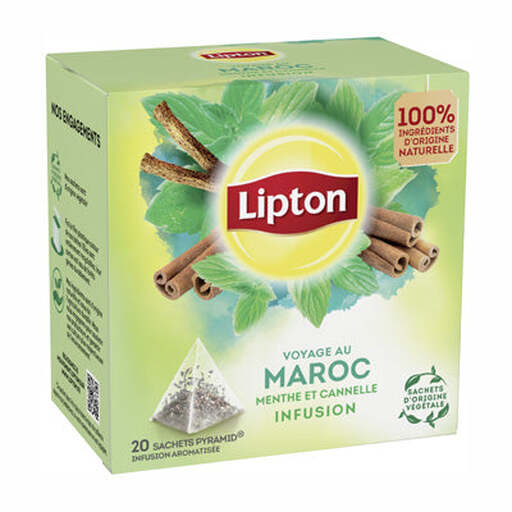 Image unavailable
Lipton Infusion Mint Cinnamon, 20 sachets
Worth a look if you prefer mint and cinnamon notes in a tea-bag blend. If you’re saving it for the evening, check the ingredients and look for a “caffeine-free” label; also read the steeping instructions on the pack. The blend contains liquorice, which is worth bearing in mind if you plan to drink it regularly.
View on Joybuy
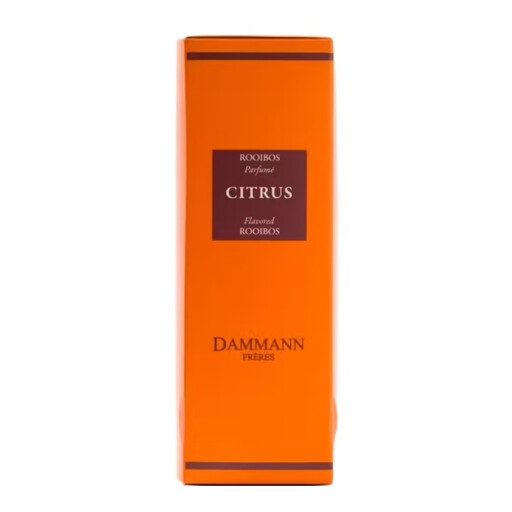 Image unavailable
DAMMANN FRERES Citrus Rooibos, 24 sachets, 48 g
Compare it with spiced or minty blends if you’d prefer a citrus rooibos. The box contains 24 tea bags and weighs 48 g; check the ingredients and preparation instructions before choosing this blend for a hot cup.
View on Joybuy
Frequently asked questions
How can I avoid a caffeinated herbal tea in the evening?
Check the ingredients and look for an explicit “caffeine-free” label if it’s important to you. Some blends sold alongside herbal teas contain tea, matcha or maté. The Anses says caffeine can delay falling asleep and reduce sleep duration and quality.
Can you drink liquorice herbal tea regularly?
Caution is advised when consuming large amounts of liquorice regularly. The Anses highlights risks including low blood potassium and high blood pressure, as well as particular sensitivities and interactions with medicines. Ask a healthcare professional for advice if you’re affected or are considering drinking it regularly.
Does a herbal tea labelled “detox” or “liver” guarantee a medical benefit?
No, these words don’t prove that a product has a medical benefit. The DGCCRF says that health claims on food products are regulated and must be authorised. When choosing a herbal tea, look instead at its ingredients, flavour and any precautions for use.
How do you prepare Lipton pomegranate and hibiscus cold brew?
For this product, the instructions featured by Auchan say to steep one tea bag in 500 ml of cold water for five minutes. You’ll need a water bottle or flask of a suitable size; this method is not for making a hot cup.


