People avoiding caffeine in the evening
For a hot drink after visiting the Christmas market, look for a ‘caffeine-free’ label and check the ingredients rather than relying on the words ‘evening tea’.


For a caffeine-free hot drink in the evening, choose an herbal tea explicitly labelled ‘caffeine-free’ and check its ingredients, whether it’s rooibos or a blend of herbs. If you prefer the taste of tea, decaffeinated tea may suit you, provided you’re happy with the residual caffeine level stated: Carrefour’s product page for Lipton Decaffeinated Evening Tea says it contains less than 0.1% caffeine. A name that suggests evening or Christmas isn’t a substitute for checking.
For a hot drink after visiting the Christmas market, look for a ‘caffeine-free’ label and check the ingredients rather than relying on the words ‘evening tea’.
You’d like to keep tea leaves in your drink while reducing your caffeine intake. In that case, the stated residual caffeine level in decaffeinated tea will influence your choice.
If you’re filling a flask or serving several cups at home, compare the dominant flavour, the number of tea bags and the brewing instructions before choosing.
First decide whether you want a caffeine-free drink or are happy with a small amount of residual caffeine. Then compare the flavours and choose a format that suits the number of cups you’ll be making.
| Criteria | What to check | Who is it for? |
|---|---|---|
| Caffeine | Look for a ‘caffeine-free’ label or a stated caffeine level, then read the ingredients: tea, matcha and maté aren’t suitable if you’re looking for a caffeine-free drink. | If I want to avoid caffeine after a late outing, the recipe name alone isn’t enough to help me choose. Around 50% of consumers make this their top priority. |
| Dominant flavour | Compare the first ingredients listed: rooibos, camomile, citrus, mint and liquorice each have a distinct flavour profile. | When serving a drink for my guests to share, their tastes are my main consideration. Around 30% of consumers would make flavour their priority. |
| Format and preparation | Check the number of tea bags and the brewing instructions. If you’re buying in store, confirm that your chosen product is available. | Before filling a flask, I need to know how many cups to make and how to brew them. Convenience comes first for around 20% of consumers. |
A suggestive name doesn’t tell you everything about the recipe. Auchan’s herbal tea range also includes blends with black tea, and France’s food safety agency (Anses) points out that tea naturally contains caffeine.
If you want to avoid caffeine, look for an explicit claim and check every ingredient list.
Lipton Decaffeinated Evening Tea, listed by Carrefour, contains tea and states that it has less than 0.1% caffeine. That’s not the same as an herbal rooibos tea labelled ‘caffeine-free’.
Choose according to what matters most to you: keeping the taste of tea or finding a drink explicitly labelled caffeine-free.
According to the ingredient lists published by Carrefour, Lipton Grand Sud herbal tea is made mainly with liquorice and mint, while Twinings Bonne Nuit herbal tea is mostly camomile.
Check the first ingredients listed before choosing a flavour to serve to a group.
A product listed online won’t necessarily be available at the shop where you plan to do your shopping.
Check availability at your chosen shop before planning to have this drink when you get back from the Christmas market.
Two different recipes to consider: decaffeinated tea if you want to keep the taste of tea, and an herbal blend with liquorice and mint notes.
Carrefour’s listing for Bonne Nuit herbal tea includes camomile, apple, lime flower and raspberry flavouring, with no tea leaves in the published ingredients.
This retailer’s range includes herbal teas and rooibos, as well as blends containing tea.
This retailer’s product pages let you compare the ingredients in several Lipton and Twinings products.
These products cover a range of herbal tea and rooibos flavours. For a hot drink after a visit to the Christmas market, check the caffeine information and preparation instructions for each product. The last product below is designed for cold brewing.
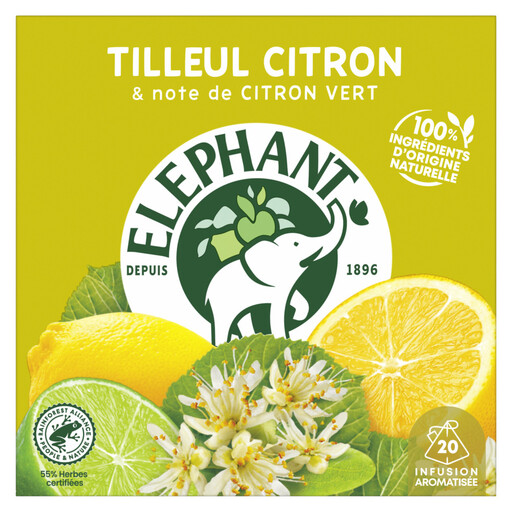 Image unavailable
Worth considering if you’re looking for a herbal tea with lime flower and lemon notes to make several cups.
Before brewing it hot, check the packaging for the ingredients, caffeine information and brewing instructions.
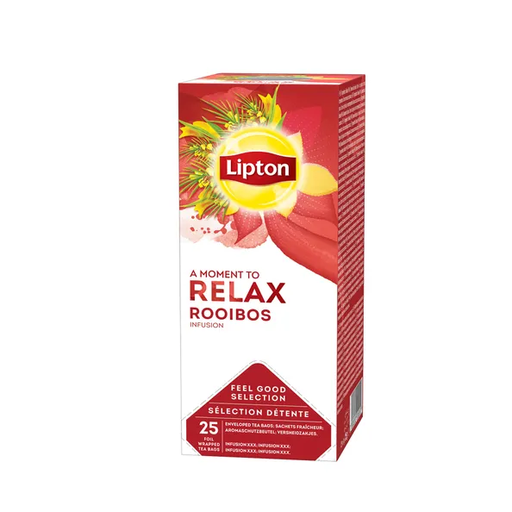 Image unavailable
Rooibos is worth considering if you’d prefer an evening drink with a different taste from tea.
Check the ingredients and look for a ‘caffeine-free’ label on the product you buy, as well as its preparation instructions.
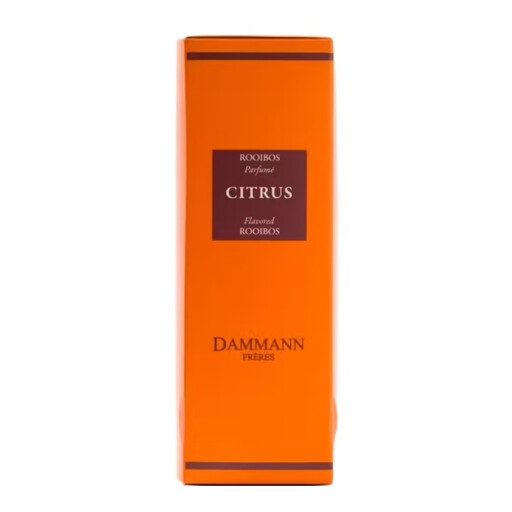 Image unavailable
This product combines rooibos with citrus notes for a change from floral herbal teas.
Check the ingredients if citrus is a concern for you, along with the caffeine information and preparation instructions on the packaging.
 Image unavailable
Camomile is a good choice if you prefer a floral flavour to the taste of tea.
If you’re looking for a caffeine-free drink, check the ingredients and the relevant information on the packaging, then follow the brewing instructions.
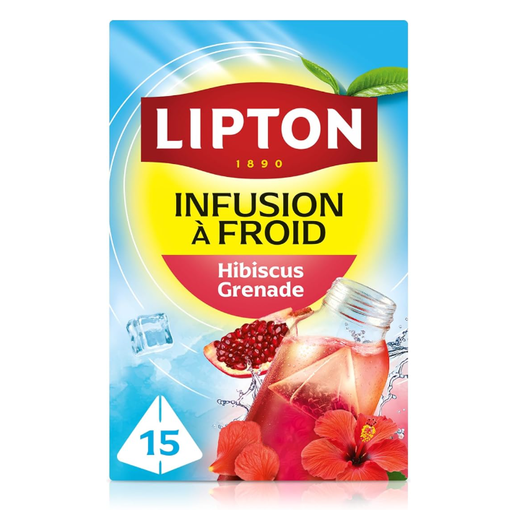 Image unavailable
This fruity infusion is designed to be prepared cold, so it’s for a different purpose from a hot drink to take to the Christmas market.
If you’d like to serve it hot, first check that the packaging recommends this method of preparation.
Herbal tea explicitly labelled ‘caffeine-free’ is a more direct choice if you want to avoid caffeine than decaffeinated tea, which is still made from tea. Auchan’s ETHIQUABLE rooibos product page says it contains no caffeine; Carrefour’s listing for Lipton Decaffeinated Evening Tea states that it contains less than 0.1% caffeine.
No. The name alone doesn’t tell you how much caffeine a recipe contains. Check the packaging and ingredients, particularly for any tea or maté.
Check the ingredients, any declared allergens, the number of tea bags and the preparation instructions. France’s consumer affairs authority (DGCCRF) states that allergenic ingredients must be highlighted; make sure you check the current ingredients for the product you choose.