Fans of simple herbal blends
If you’re making an infusion to share, a clearly defined pairing such as verbena and mint makes it easier to choose based on the herbs it contains rather than the flavour suggested by its name.


For a weekend breakfast, choose a simple two-herb blend if you want an easy recipe to share, or a fruity or floral blend if you’re looking for different flavours. An organic label confirms that the product meets certification criteria, but it doesn’t tell you where the herbs come from: compare the ingredients, pack size and brewing instructions too. If a blend contains liquorice, bear in mind the precautions highlighted by Anses regarding high, repeated consumption.
If you’re making an infusion to share, a clearly defined pairing such as verbena and mint makes it easier to choose based on the herbs it contains rather than the flavour suggested by its name.
If you’d like to linger over breakfast with a more aromatic cup, compare the combinations of fruit, herbs and flavourings listed on the boxes.
If the ingredients, organic certification, stated origin or warnings influence your choice, check each blend rather than relying on its name alone.
Start by deciding what kind of blend you’d like to serve, then compare the ingredients and the number of tea bags. The precautions on the box are especially important if several people will be drinking the same infusion.
| What to look for | Check | Who it suits |
|---|---|---|
| A two-herb blend | Read the ingredients and compare the number of tea bags and the net weight. Carrefour Classic’ and Auchan Bio’s verbena and mint blends both contain equal quantities of the two herbs. | When serving a simple herbal blend that’s easy to identify, I prefer to know which herbs it contains before choosing a box. Around 42% of consumers make this their priority. |
| A fruity or floral cup | Check the ingredients for fruit, herbs and flavourings, and look at the brewing time for the blend you’ve chosen. | When breakfast turns into a leisurely occasion, I’m mainly looking for a combination of flavours to explore. Around 33% of consumers put this enjoyment of trying new flavours first. |
| Ingredients and precautions | Check the ingredients, any listed allergens, organic certification and warnings, particularly if the blend contains liquorice. | If I need to avoid a particular herb or organic certification matters to me, I read the box before deciding. Around 25% of consumers make this check their priority. |
The name of an infusion doesn’t tell you everything about its ingredients. Twinings Relax, for example, combines lemon balm, nettle and apple with natural peach and orange blossom flavourings.
Read the full ingredients list if you’re looking for a short list of ingredients or want to avoid a particular herb or flavouring.
An organically certified blend may contain herbs from different countries. The product information for Auchan Bio verbena and mint lists several possible countries of origin.
If provenance is important to you, check the origin stated for the product you’ve chosen as well as its certification.
Anses highlights risks associated with high, repeated consumption of liquorice, particularly for some more vulnerable groups, including children, pregnant or breastfeeding women, and people with cardiovascular, kidney or liver problems.
Check the ingredients and warnings before regularly serving a blend that contains liquorice.
A box of 20 tea bags weighing 30 g and a box of 25 tea bags weighing 1.3 g each don’t contain the same number of servings or the same total weight.
Compare the number of tea bags, the net weight and, if stated, the weight per tea bag.
These brands offer different types of blends, but you should still compare the ingredients and information for each product.
Twinings France offers herbal infusions that combine fruit and herbs, including blends with floral notes.
The products in Auchan’s range include mint blends, including a liquorice and mint infusion.
Carrefour Classic’ offers a verbena and mint infusion in a box of 25 tea bags, each weighing 1.3 g.
The Tisea and Bio Village ranges include herbal infusions, including verbena and mint blends.
Auchan Bio’s verbena and peppermint infusion combines equal quantities of both herbs in a box of 20 tea bags weighing 30 g.
These Joybuy herbal teas include two-herb blends, fruity flavours and an option for cold brewing. For the breakfast you have in mind, check the ingredients and brewing method for each box.
 Image unavailable
A verbena and mint blend to consider if you’re looking for a herbal infusion in tea bags.
The stated brewing time varies across the product information, so check the instructions on the box.
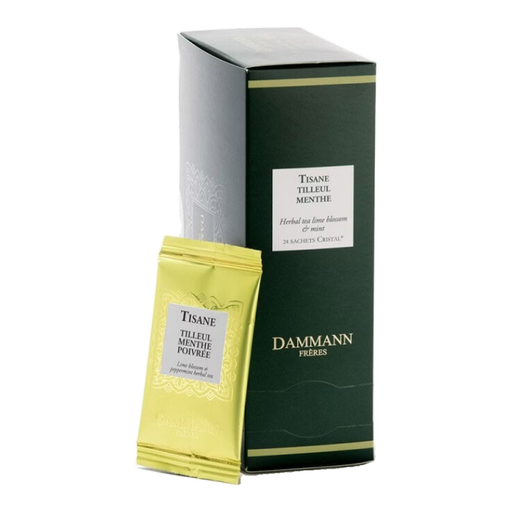 Image unavailable
This linden and mint blend could be a good choice if you’d like a change from verbena and mint.
The title and description don’t specify the same variety of mint, so check the packaging. Also make sure the refill format is what you’re looking for.
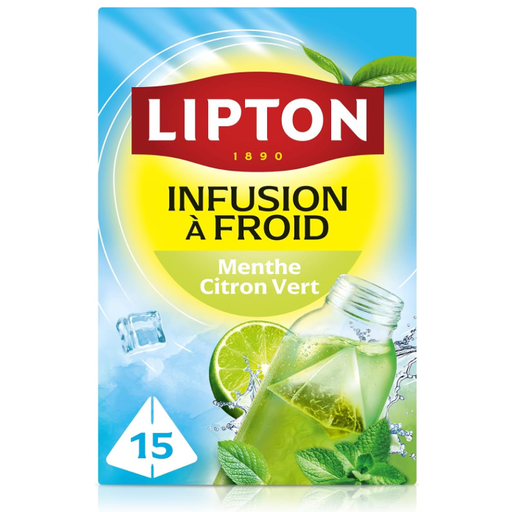 Image unavailable
A mint and lime option to consider if you’d like to serve a cold infusion at breakfast.
This product is designed to be prepared cold; don’t assume that the instructions for a hot infusion apply without checking first.
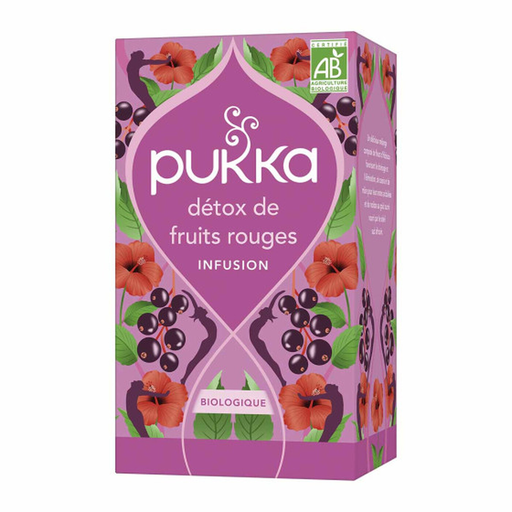 Image unavailable
A red fruit blend to compare with two-herb infusions if you’re looking for different flavours.
Check the box for the number of tea bags and brewing instructions. The name ‘Detox’ doesn’t mean that the product has a health effect.
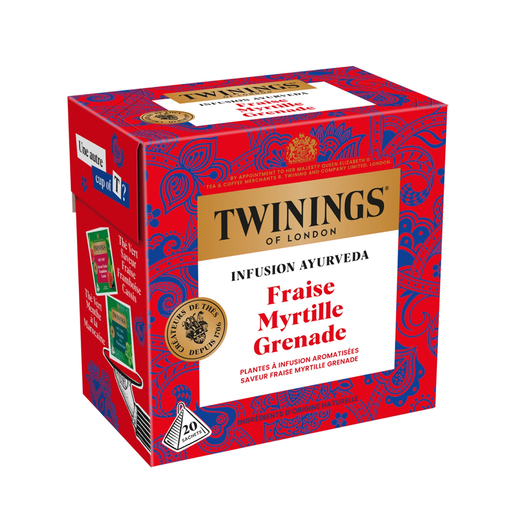 Image unavailable
This fruity blend may appeal if you’d like to serve a variety of flavours at breakfast.
The ingredients also include liquorice. Anses advises caution regarding high, repeated consumption of liquorice, particularly for some more vulnerable groups.
Start with the ingredients list to see which herbs, fruit and flavourings the blend contains. For prepacked food, the DGCCRF also highlights the importance of clear labelling, including the product name, net quantity, applicable date and clearly emphasised allergens.
No. Follow the instructions on the box you’ve chosen, as the amount of water and brewing time can vary from one blend to another. For example, Auchan recommends 200 ml of freshly boiled water and 3 to 5 minutes for its organic verbena and peppermint infusion, while Twinings recommends 250 ml and 5 minutes for its Relax blend.
Follow the instructions on the packaging and check the date. The product information for Auchan Bio verbena and mint infusion specifically advises keeping it away from heat and moisture.
Check the ingredients and warnings on the box to see whether it contains liquorice before serving it regularly. Anses says that high, repeated consumption of liquorice can lower potassium levels in the blood and cause high blood pressure. It also highlights particular risks for children, pregnant or breastfeeding women, and people with cardiovascular, kidney or liver problems. If you’re concerned because of a health condition or medication, ask a healthcare professional for advice.