What should you look for?
For a morning alternative to coffee, first decide whether “full-bodied” means a pronounced flavour or a drink containing caffeine. The ingredients and format can then help you choose between recipes that meet your priority.
| What matters |
What to check |
Who is it for? |
| Full-bodied flavour |
Look for herbs and spices that suit your tastes; “strong” isn’t a standard measure of intensity. |
I want a cup with ginger, mint or spice notes I enjoy enough to have during my morning break. Around 33% of consumers prioritise a full-bodied flavour. |
| Caffeine |
Read the product name and ingredients, looking in particular for tea or guarana. |
If I’m replacing my coffee, I want to know whether my new drink also contains caffeine. For around 25% of consumers, this question comes before other criteria. |
| Ingredients |
Check all the herbs, especially liquorice, as well as any allergens listed on the label. |
Before making a recipe part of my routine, I’d rather know what’s in it than rely on its “wellbeing” claims. Ingredients and precautions relating to herbs are a priority for around 25% of consumers. |
| Format and availability |
Compare the net weight and number of tea bags, then check what’s available where you shop. |
I need a format that suits my habits and is easy to find when I do my shopping. Around 17% of consumers put this practical need first. |
Herbal teas on Joybuy for your morning break
These products include a blend with tea and several herbal teas with spicy, minty or citrus notes. Choose based on the ingredients you’d like in your cup, rather than assuming these recipes will taste equally strong.
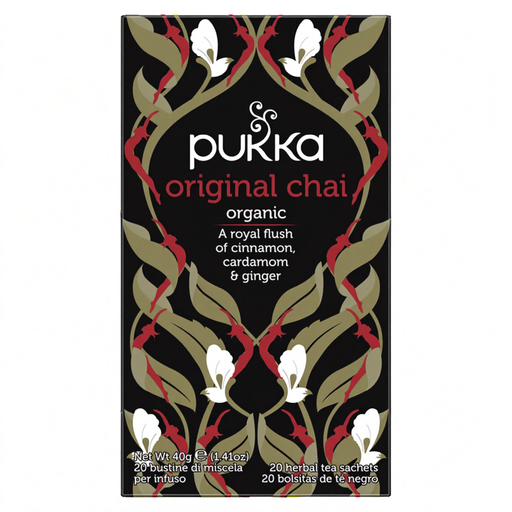 Image unavailable
Pukka Original Chai, 20 tea bags
Worth considering if you’re after a spicy cup containing black tea for your morning break.
The recipe also contains liquorice, so bear this in mind if you’re thinking of drinking it regularly. The presence of black tea alone doesn’t tell you how much caffeine is in a cup.
View on Joybuy
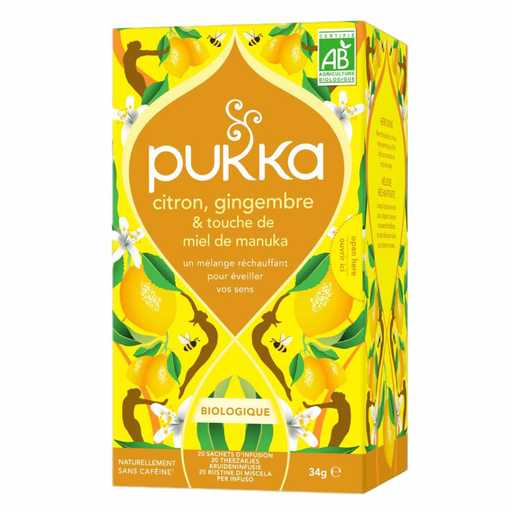 Image unavailable
PUKKA Manuka Honey with Lemon & Ginger, 20 sachets
An option if you prefer a ginger and lemon profile to a blend with tea.
Check the ingredients if you want to avoid liquorice in a drink you have regularly.
View on Joybuy
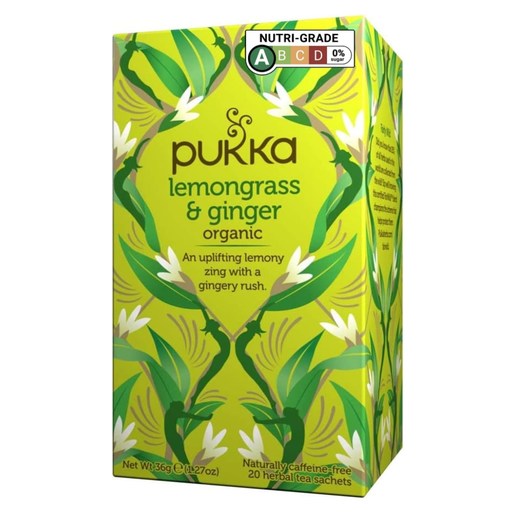 Image unavailable
PUKKA Lemongrass & Ginger, 20 sachets
Worth a look if you enjoy the combination of lemongrass and ginger in a morning cup.
The recipe contains liquorice. If avoiding caffeine is essential for you, check the ingredients and pack information before buying.
View on Joybuy
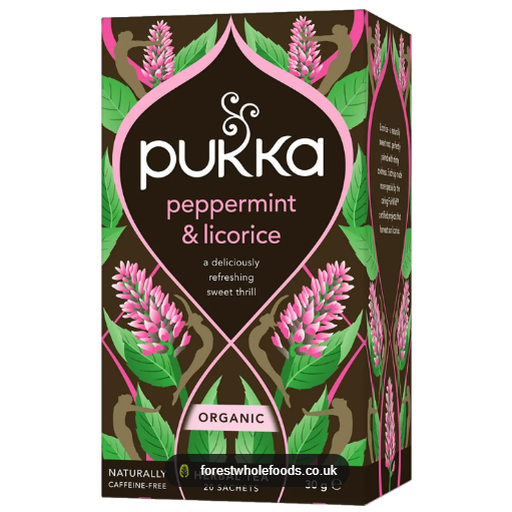 Image unavailable
PUKKA Peppermint & Licorice, 20 sachets
Worth considering if you’re specifically looking for a peppermint and liquorice blend.
Liquorice is a key ingredient in this recipe. The precautions ANSES highlights around excessive consumption are particularly important to consider before making it your everyday drink.
View on Joybuy
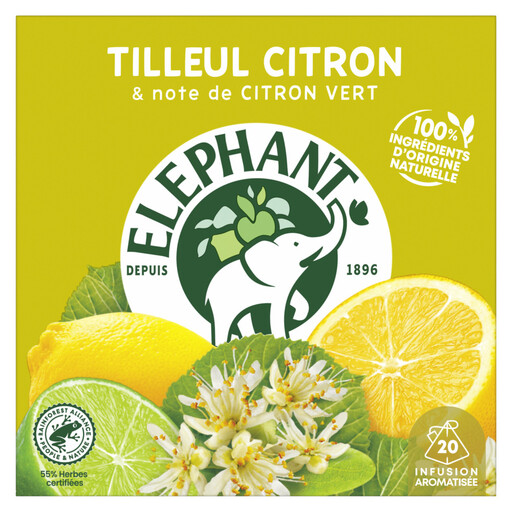 Image unavailable
Elephant Linden Lemon, 20 tea bags, 28 g
Worth a look if you prefer lime blossom and citrus notes to spicy blends.
This flavour profile doesn’t promise a “strong” cup: check the brewing instructions on the pack to get the result you’re after.
View on Joybuy
Frequently asked questions
Does a full-bodied herbal tea always contain caffeine?
No: a pronounced flavour doesn’t mean a drink contains caffeine. Check the blend’s ingredients; ANSES notes that tea and guarana, in particular, naturally contain caffeine.
Do the words “detox” or “wellbeing” prove a health benefit?
No: these words don’t prove that an herbal tea treats or prevents a health problem. France’s Directorate-General for Competition Policy, Consumer Affairs and Fraud Control (DGCCRF) notes that nutrition and health claims are regulated. When choosing your drink, start by checking its ingredients.
Why check whether an herbal tea contains liquorice?
Because excessive liquorice consumption can pose risks, including high blood pressure, according to ANSES. Read the ingredients before drinking it regularly, and ask a healthcare professional for advice if you have any concerns about your circumstances or medication.
What should you look for on the box when comparing two recipes?
Start with the product name, ingredients list, highlighted allergens and net quantity. This information helps you compare what’s in each blend and the format. In France, the Directorate-General for Competition Policy, Consumer Affairs and Fraud Control also notes that labels must be legible and written at least in French.


