To limit caffeine with a late-afternoon snack or in the evening, start with an infusion whose ingredients do not include tea: Anses points out that tea naturally contains caffeine. If you prefer the taste of tea, choose a product clearly labelled as decaffeinated, but don’t assume it contains no caffeine at all. If you take medication, ask a pharmacist to check the ingredients in a herbal blend before using it regularly.
Who are these options for?
Older people keeping an eye on their caffeine intake later in the day
If your drink accompanies a late-afternoon snack or the start of the evening, the first distinction to make is between tea and a herbal infusion. According to Anses, tea naturally contains caffeine, which can delay sleep.
People who prefer a short ingredients list
A single-herb infusion makes it easier to see what’s in the blend. Carrefour, for example, states that its Verveine Bio infusion contains 100% organic verbena; with a blend, you need to check every ingredient.
Older people taking medication or particularly sensitive to certain herbs
If they’re choosing a product to drink regularly, they can show the ingredients list to a pharmacist. Anses flags possible interactions and contraindications for certain plants used in food supplements; this warning does not automatically apply to all herbal teas.
What should you look for on the box?
For a late-afternoon snack or an evening drink, first distinguish a herbal infusion from tea, then compare the ingredients and brewing instructions for the product you’ve chosen.
| Criteria |
What to check |
Who is it for? |
| Caffeine |
Look for tea leaves in the ingredients and, if you’re choosing tea, check that the specific product is labelled “decaffeinated”. If you need to avoid caffeine completely, ask the manufacturer for product-specific information. |
When I have a cup later in the day, I want to limit caffeine rather than choose based on the drink’s name alone; around 50% of consumers are said to make this their top priority. |
| Ingredients |
Read the full list of herbs: a single-herb recipe and an aromatic blend don’t require the same checks. |
If I need to avoid an ingredient or simply understand what’s in my cup, a short ingredients list makes it easier to choose; this is said to be the first consideration for around 30% of consumers. |
| Taste and preparation |
Compare the herbs listed, the tea bag format and the brewing instructions on each box. |
With a snack, I’m mainly looking for a flavour I enjoy and a drink that’s easy to prepare; this is said to be the priority for around 20% of consumers. |
Two things to avoid confusing
-
Confusing decaffeinated tea with herbal infusion
Anses points out that tea naturally contains caffeine. Herbal infusion and decaffeinated tea are two distinct products; a name suggesting an evening drink doesn’t, by itself, tell you what’s in it.
Start by checking the ingredients. If you want the taste of tea, look for the decaffeination label on the exact product you’re buying. If you need to avoid caffeine completely, ask the manufacturer for information about that specific product.
-
Assuming a herbal blend is suitable for everyone
Claims such as “relaxation” or “sleep” don’t tell you whether a recipe is suitable alongside medication. Anses notes that certain plants in food supplements may have interactions and contraindications, but this doesn’t demonstrate the same risk for every herbal tea.
If you take medication or have a known sensitivity, show a pharmacist the exact list of herbs before planning to drink it regularly.
Brands to compare
Carrefour Bio
Its Verveine Bio product gives you a single-herb infusion to compare with blends.
- Carrefour states that this product contains “100% organic verbena”.
- This ingredient information does not measure residual caffeine; check the label on the box you choose.
Éléphant
The brand offers a verbena and mint infusion for people who prefer a blend to a single herb.
- The Carrefour product page lists 53% mint and 47% verbena.
- Check the ingredients of the product you’re actually buying rather than assuming they’re the same across the brand.
Twinings
The Twinings France website distinguishes between black tea, green tea and infusions—categories you shouldn’t confuse when making this choice.
- This distinction helps you start your search in the right category.
- Check the ingredients and information on the specific box before drawing conclusions about its caffeine content.
Lipton
Lipton offers black and green teas as well as infusions described as caffeine-free.
- This distinction within the range makes it easier to look for an infusion rather than standard tea.
- The range description is no substitute for checking the ingredients and the label on each product.
Infusions to explore on Joybuy
These tea bag infusions are options if you’re looking for a herbal drink to have with a snack or in the evening. Some are blends, so compare their ingredients before choosing—particularly if you need to take care with a particular herb.
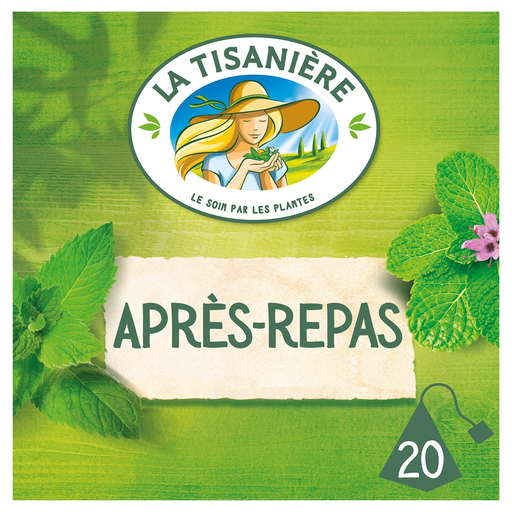 Image unavailable
LA TISANIERE anise, mint and verbena, 20 tea bags
If you enjoy aromatic blends with your afternoon snack, check the full list of herbs. The product information notes a precaution relating to liquorice for people with high blood pressure.
View on Joybuy
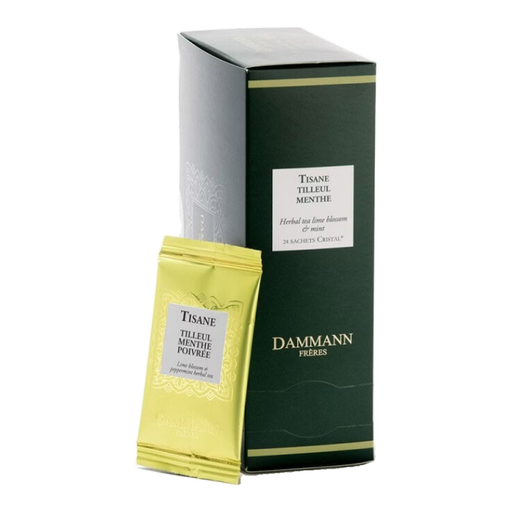 Image unavailable
DAMMANN Linden & Spearmint, 24 tea bags, 48 g
If you’re looking for an infusion combining linden and mint in individual portions, check the ingredients and brewing instructions on the box.
View on Joybuy
 Image unavailable
DAMMANN FRÉRES chamomile, 21 tea bags, 42 g
To compare chamomile infusion with blends containing several herbs, read the full ingredients list and brewing instructions on the packaging.
View on Joybuy
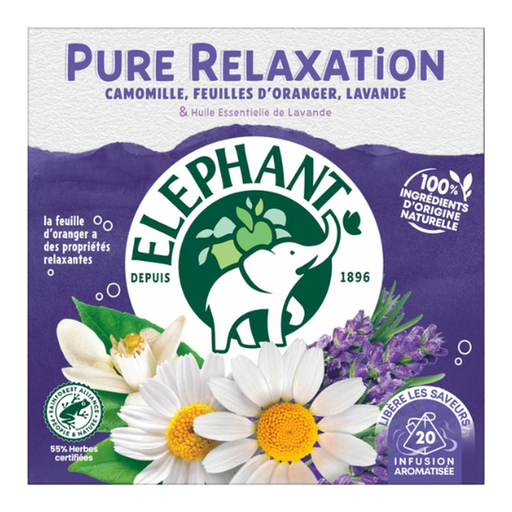 Image unavailable
ELEPHANT Pure Relaxation infusion, 20 tea bags
If you’re considering this blend for the evening, check every herb listed on the label, especially if you take medication. The product name does not prove that it helps you sleep.
View on Joybuy
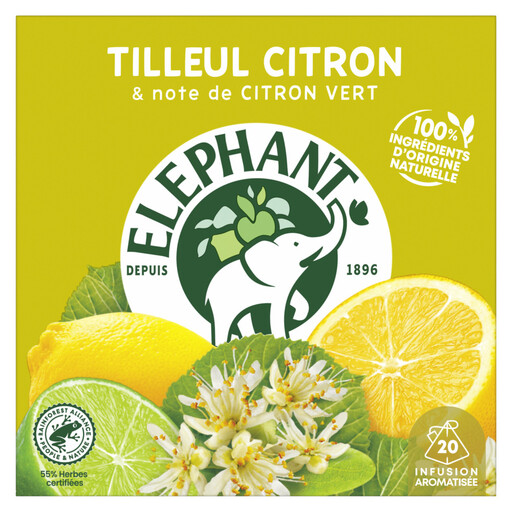 Image unavailable
Elephant linden and lemon infusion, 20 tea bags, 28 g
If you’re after a drink with linden and lemon notes, check the full ingredients list and brewing instructions for this product before choosing it.
View on Joybuy
Frequently asked questions
Is herbal tea always caffeine-free?
The word “herbal tea” alone doesn’t guarantee that a drink is completely caffeine-free. Check the ingredients: Anses points out that tea naturally contains caffeine. If you need to confirm that a product contains no caffeine, ask the manufacturer for information about the one you’ve chosen.
Which infusion should I choose if I want to avoid blends?
A single-herb infusion makes it easier to see what’s in the recipe. Carrefour states that its Verveine Bio infusion contains 100% organic verbena; always check the label on the box you buy.
Is an infusion labelled “sleep” suitable for someone taking medication?
The name alone can’t tell you whether it’s suitable for a particular person: ask a pharmacist or doctor to check the full list of herbs before using it regularly. Anses notes that certain plants used in food supplements may have interactions and contraindications, but this doesn’t mean that every herbal tea carries the same risk.


