What should you look for?
Start by choosing complementary flavours, then make sure each tea bag can be prepared and clearly presented at the serving point. Only offer cold brewing for products whose instructions specifically recommend it.
| Criterion |
What to check |
Who is it for? |
| Variety of flavours |
Choose distinct profiles, such as fresh and herbal, fruity and floral, rather than several very similar blends. |
If you're refreshing the daily selection, you want to offer a genuine choice of flavours without stocking lots of similar boxes. Around 31% of consumers prioritise variety. |
| Ease of serving |
Compare the number of tea bags per box and the water volume, temperature and brewing time specified for each product. |
When employees make their own drinks, you need instructions that are easy to display and a straightforward way to manage restocking. Ease of serving comes first for around 31% of consumers. |
| Ingredients and precautions |
Read the ingredients list and any allergen information or warnings relating to liquorice, and keep these details accessible. |
Before making tea bags available for everyone to help themselves, you want to be able to answer questions about the ingredients and flag anything that may need particular attention. This is the top priority for around 23% of consumers. |
| Cold serving |
Check that the manufacturer recommends cold brewing, then follow the specified water volume and brewing time. |
At a site without a kettle, or to complement hot drinks, you need a product designed for cold water. This is the top criterion for around 15% of consumers. |
Herbal teas to consider on Joybuy
These products cover several roles in a canteen selection: camomile and verbena and mint for hot drinks, a fruity blend or a plant-based blend as an additional option, and a product designed for cold water. Check the ingredients and instructions on each box before making it available.
 Image unavailable
DAMMANN FRÉRES Camomile, 21 tea bags, 42 g
A camomile option to give you a floral profile alongside fruity or mint blends. The box contains 21 tea bags and weighs 42 g; check the preparation instructions before serving.
View on Joybuy
 Image unavailable
ELEPHANT Organic Verbena and Mint, 20 tea bags
A verbena and mint blend for a fresh, herbal flavour in your hot-drink selection. The title specifies 20 tea bags; check the brewing time on the packaging before displaying shared instructions.
View on Joybuy
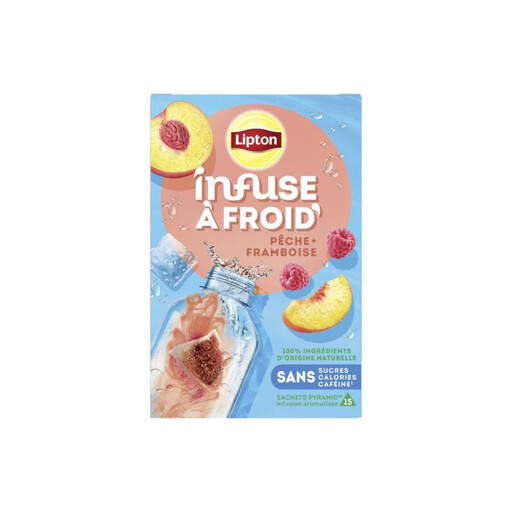 Image unavailable
Lipton Peach Raspberry Cold Brew, 15 tea bags
A fruity option to complement hot drinks with a cold alternative. Lipton specifies 5 minutes in 500 ml of cold water; have suitable containers ready and check the ingredients list before making it available for everyone to help themselves.
View on Joybuy
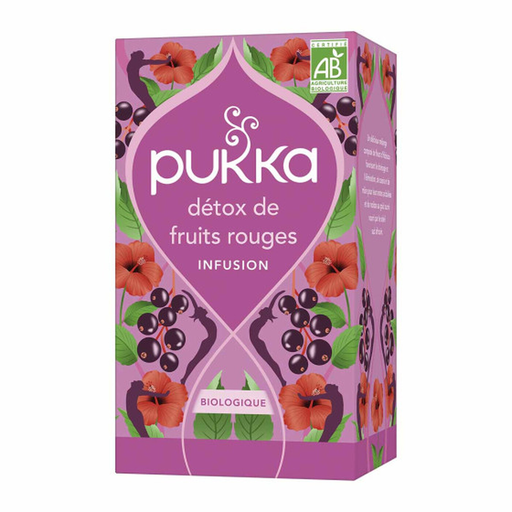 Image unavailable
Pukka Organic Red Fruits Detox Herbal Tea, 34 g
A red berry blend to consider alongside camomile and verbena and mint. The title specifies 34 g; ‘Detox’ is part of the product name and should not be presented as a health benefit. Follow the preparation instructions on the packaging.
View on Joybuy
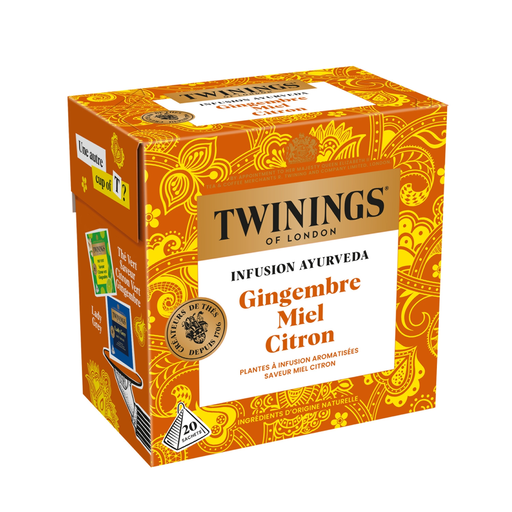 Image unavailable
Twinings Honey Infusion, 32 g
A blend to consider if you’d like an option that differs from the fruity and floral choices. The ingredients published by Joybuy include 35% ginger and liquorice. Keep this information visible and offer an alternative without liquorice too. Check the packaging for preparation instructions before serving.
View on Joybuy
Frequently asked questions
How many flavour profiles should you start with?
Three distinct hot-drink profiles are a practical starting point for a canteen: fresh and herbal, fruity, and a simple or floral herbal option. Choose the specific blends after checking their ingredients, then add a cold-brew option only if you can serve it properly.
Can a tea bag for hot tea also be used in cold water?
Don’t assume that instructions for hot water also apply to cold water. Choose a product whose manufacturer recommends cold brewing and follow its instructions. Lipton Peach Raspberry Cold Brew, for example, specifies 500 ml of cold water and 5 minutes.
How can you make ingredient information available?
Keep the boxes, or an accurate copy of the information on them, next to the tea bags so that people can identify the ingredients in each product. For prepacked food in France, the DGCCRF notes, among other things, that allergenic ingredients must be highlighted on the label.
Should you avoid all blends that contain liquorice?
If a blend contains liquorice, the key is to identify it clearly and offer another option. Anses warns of risks associated with high, repeated consumption, particularly for some more sensitive groups. So don’t present a liquorice blend as suitable for everyone without exception.
Do ‘digestion’ or ‘detox’ claims prove that a product has an effect?
No. These words alone do not establish a health benefit. The DGCCRF notes that nutrition and health claims are regulated. When presenting your canteen’s selection, describe the flavours, ingredients and preparation methods instead.


