People stocking up for a group
Whether you’re at work, sharing a house or living in a large household, you want to top up less often without saddling everyone with a blend they don’t like.


For shared study breaks, choose a pack of 240 tea bags if everyone regularly drinks the same blend and its ingredients are suitable for them. If tastes differ or you’re still exploring, a variety box or smaller pack lets you try different flavours before stocking up. Check how it’s packed: the Lipton Grand Sud offer described by Amazon.fr contains 12 boxes of 20 tea bags, not one single box.
Whether you’re at work, sharing a house or living in a large household, you want to top up less often without saddling everyone with a blend they don’t like.
You’d like a hot drink during study breaks and check the herbs and flavourings before buying a blend that’s likely to be consumed regularly.
You share herbal teas with people who may not like the same flavours, and would rather try several blends before buying one in bulk.
For group study breaks, first decide whether you already know a blend that suits everyone. Then compare pack size, ingredients and brewing instructions.
Worth considering: if several people regularly drink the same herbal tea and you have a dry place to store the boxes.
Bear in mind: it’s a large stock of one flavour. The Lipton Grand Sud pack described by Amazon.fr contains 12 boxes of 20 tea bags and a liquorice blend.
Worth considering: if the group has different tastes or you want to try several herbal teas before stocking up on one.
Bear in mind: there are fewer tea bags overall, and you’ll need to check the ingredients for each blend in the box.
Worth considering: if you want to try a particular herbal tea without committing to a large pack.
Bear in mind: you’ll need to restock more often if it becomes your go-to drink for daily breaks.
| What to consider | What to check | Who it matters to |
|---|---|---|
| Quantity and packaging | Count the boxes and tea bags per box, then check the best-before date if you expect the stock to last a while. | When several people regularly take breaks together, I want enough tea bags without having to restock too often. Around 36% of consumers prioritise having enough stock. |
| Ingredients | Read the ingredients for each blend, particularly whether it contains liquorice if it will be consumed often. | Before sharing herbal tea every day, I want to rule out any blend with ingredients that aren’t suitable for everyone. For around 29% of consumers, ingredients matter more than pack size. |
| Variety of flavours | Check how many blends are included and how many tea bags there are for each; try the flavours before buying a large pack of just one. | If everyone prefers a different flavour, I’d rather offer a choice than leave lots of tea bags unused. Variety is the top priority for around 21% of consumers. |
| Preparation | Check the recommended water quantity and brewing time for the blend, as well as what equipment is available where you take your breaks. | Between study sessions, I want a herbal tea that’s easy to prepare during a break. Around 14% of consumers prioritise ease of preparation. |
The Lipton Grand Sud pack listed by Amazon.fr contains 12 boxes of 20 tea bags. This affects how much storage space you’ll need.
Before ordering, check the number of boxes, the total number of tea bags and the best-before date.
Some blends contain liquorice. Anses warns that consuming products containing liquorice in large amounts and repeatedly can lead to hypokalaemia or high blood pressure, and that certain groups need to take particular care.
If you’re buying for a group, check the ingredients of each blend and offer an alternative rather than assuming the same herbal tea is suitable for everyone.
A blend that people don’t enjoy could go unused, even if the number of tea bags matches your planned breaks.
Try a small box or assortment first, then consider buying a larger pack if it suits the people who’ll drink it regularly.
For a single blend in a large quantity, Amazon.fr describes a Lipton Grand Sud liquorice and mint pack containing 12 boxes of 20 tea bags.
Product pages for several Twinings France herbal teas let you check each blend individually before choosing a flavour.
The box featured by Carrefour.fr contains 50 tea bags and five flavoured herbal teas, making it a way to try several flavours.
Biohême offers herbal teas in boxes of 20 tea bags, as well as a box of 60 tea bags.
These products let you try a particular blend or an assortment for study breaks. The pack sizes with a stated number of tea bags here are smaller than a pack of 240.
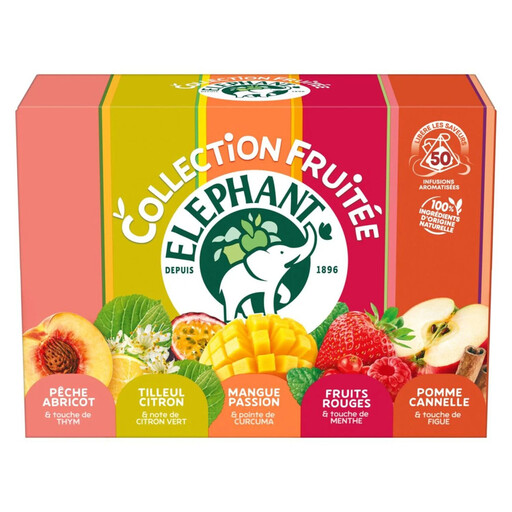 Image unavailable
An assortment to consider if you’d like to try different herbal teas during shared breaks. It contains 50 tea bags, not 240; check the ingredients for each blend.
 Image unavailable
A small box for trying the verbena and mint blend before considering a larger stock. It contains 20 tea bags; check the brewing instructions on the packaging.
 Image unavailable
A blend to consider if you want to choose based on the herbs listed on the packaging. The product title gives a quantity of 40 g: check how many tea bags are included before comparing it with a pack of 240, and check whether it contains liquorice.
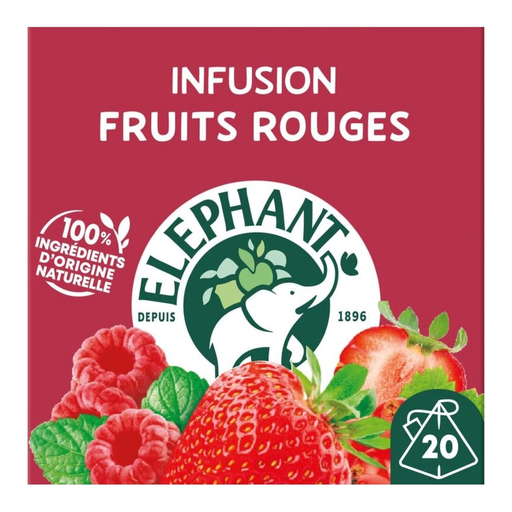 Image unavailable
A pack of 20 tea bags for trying the raspberry and mint blend without buying a large quantity. Check the ingredients and brewing instructions on the packaging.
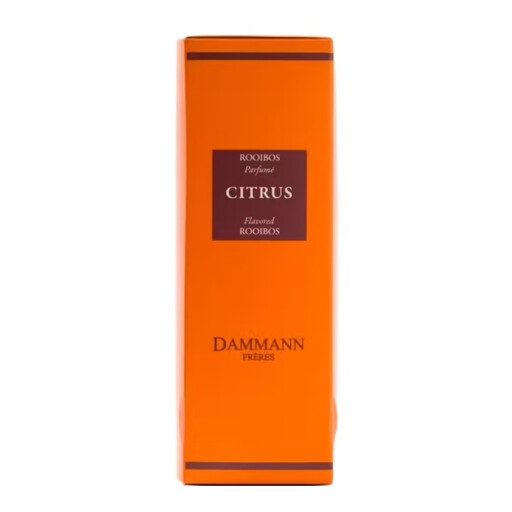 Image unavailable
A small box for trying a citrus rooibos herbal tea. It contains 24 tea bags rather than a stock of 240; check the ingredients if citrus is a concern for you, and follow the brewing instructions on the packaging.
Not necessarily. The Lipton Grand Sud offer described by Amazon.fr is a pack of 12 boxes of 20 tea bags. Check both the number of boxes and the number of tea bags in each one so you know how much you’ll need to store.
Don’t choose a herbal tea expecting it to improve your concentration. For a relaxing break, compare blends based on taste, ingredients, preparation and how much your group is likely to drink.
A large pack may mean drinking the same blend often. Anses highlights the risks associated with consuming large amounts of liquorice repeatedly, including hypokalaemia and high blood pressure. It advises particular caution for children, pregnant or breastfeeding women, and people with certain medical conditions or taking certain medicines. For shared breaks, check the ingredients and have an alternative available.