People who prefer an easy-to-read recipe
You want to quickly identify the plants and flavours in a herbal tea you plan to enjoy as part of your routine. Compare the ingredient list rather than relying on the blend’s name alone.


For regular shopping, start by choosing a herbal tea whose flavour and ingredients suit you. A short ingredient list makes it easier to see what’s in it, while a blend gives you more flavours to try. A label such as ‘digestion’ describes how a product is positioned, not a treatment. If you’re thinking of drinking it often, check in particular whether it contains liquorice, and ask a healthcare professional for advice if your circumstances make that appropriate.
Your choice depends mainly on how much you value flavour, a clear ingredient list and any precautions relevant to how often you drink herbal tea.
You want to quickly identify the plants and flavours in a herbal tea you plan to enjoy as part of your routine. Compare the ingredient list rather than relying on the blend’s name alone.
You choose your cup for its fruity, floral, minty or spicy notes. The infusion ranges featured by Twinings and the products found in Carrefour’s tea aisle show just how much variety there is, without making assumptions about what you’ll like.
If you take medication or need to keep an eye on your blood pressure, the ingredients matter more than the flavour. Anses and Assurance Maladie warn in particular about high or regular consumption of liquorice. If this applies to you, ask your pharmacist or doctor for advice.
For an everyday herbal tea, start with the flavour you’re looking for, then check the ingredients and choose a format that suits your shopping needs. You might also enjoy a drink associated with after-dinner or evening moments, but its name doesn’t establish any health effect.
| Factor | What to check | Who is it for? |
|---|---|---|
| Ingredients and precautions | Read the full ingredient list, especially if the blend contains liquorice. If you take medication or have a relevant health condition, seek professional advice before making it a regular habit. | If I drink the same herbal tea often, I want to know which plants it contains before choosing it for its flavour; around 33% of consumers put this check first. |
| Flavour and variety | Compare the plants and flavours listed on the box, then follow the preparation instructions for the recipe you choose. | When I want to refresh my choice of hot drinks, I look first for flavours I enjoy; taste is the priority for around 25% of consumers. |
| Format and shopping | Check the number of tea bags and the net weight. If you’re placing an order for collection or delivery, check the options available from your store. | If I shop regularly, I want a practical format and a collection or delivery option that suits me; around 25% of consumers prioritise these factors. |
| When you’ll enjoy it | Distinguish between the occasion suggested on the packaging, such as after a meal, and the ingredients actually included. Don’t mistake a wellbeing claim for a medical indication. | I like choosing an infusion for after a meal or an evening break, without expecting a medical effect; this ritual is the main consideration for around 17% of consumers. |
A name such as ‘digestion’ or ‘sleep’ doesn’t prove that an infusion treats a symptom. France’s DGCCRF notes that health claims made about food products are regulated in France.
Choose a drink for its flavour and ingredients. If a symptom persists or worries you, speak to a healthcare professional rather than relying on herbal tea.
Liquorice is included in some after-dinner recipes. According to Anses, high and repeated consumption of liquorice can cause high blood pressure and low blood potassium, among other effects; Assurance Maladie also flags precautions with certain medicines.
Check the ingredients for liquorice. If you have high blood pressure, heart, kidney or liver disease, or take medication, ask for advice before regularly drinking a recipe that contains it.
A blend may contain several plants and flavourings that aren’t listed on the front of the pack. Two infusions intended for the same occasion can therefore have different ingredients.
Before adding an infusion to your routine, read the ingredient list for the exact product and check the preparation instructions on the box.
These brands offer useful reference points for comparing specific recipes; their inclusion here doesn’t indicate that their full ranges are available.
Worth considering if you’re comparing supermarket organic infusions, from simple recipes to herbal blends.
A brand to explore if you’d like to compare different flavour ranges and blends.
Worth a look if fruity infusions are among the flavours you’re looking for in the tea aisle.
These tea-bag infusions let you compare a verbena recipe, aromatic blends and products presented for different occasions. For each one, the product name is no substitute for checking the ingredients.
 Image unavailable
Worth considering if you’d like a verbena and mint blend in tea bags to add a little variety. The title states that it contains 20 tea bags; follow the instructions on the packaging for the brewing time.
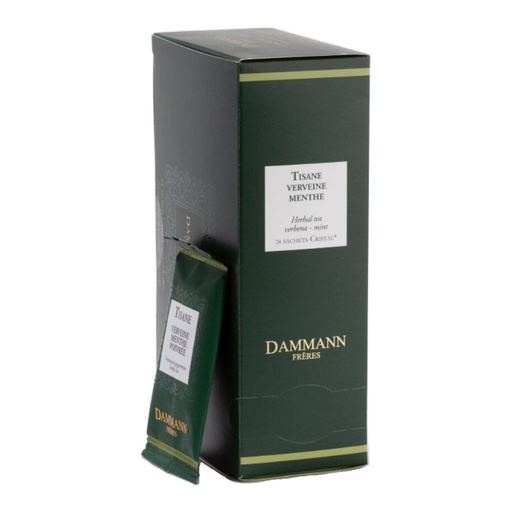 Image unavailable
This verbena and peppermint infusion is a good option if you’d like to compare a two-plant blend with recipes marketed around a wellbeing promise. It comes in a 24-tea-bag, 48 g format. Check the ingredients on the box if any of the plants call for particular precautions in your case.
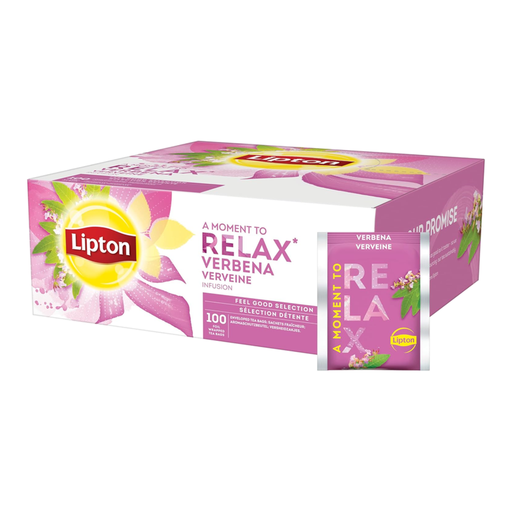 Image unavailable
Worth a look if you prefer verbena to a blend of flavours and want a larger number of tea bags. The title states that the gift set contains 100 tea bags; check the net weight on the packaging to compare its size with another box.
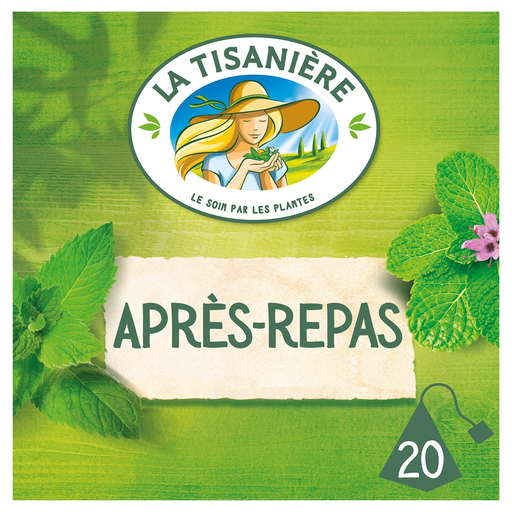 Image unavailable
This aniseed, mint and verbena blend is for anyone looking for several plants in one infusion. The title states that it contains 20 tea bags. The recipe also contains liquorice: if you’re thinking of drinking it regularly and need to take precautions with this plant, ask a healthcare professional for advice.
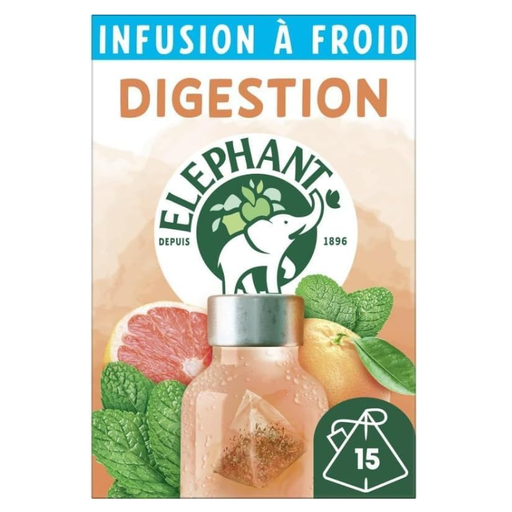 Image unavailable
Worth considering if you prefer a cold infusion to a hot cup. The title states that it contains 15 tea bags; the word ‘Digestion’ doesn’t imply a therapeutic effect. Check the recipe and preparation instructions before choosing.
No. The name doesn’t prove that it’s a treatment. France’s DGCCRF notes that health claims on food products are regulated. If your symptoms persist, are new or concern you, seek medical advice.
Because liquorice can be included in a blend without appearing in its name. Anses says that high and repeated consumption of liquorice can cause high blood pressure and low blood potassium, among other effects; Assurance Maladie also advises caution with certain medicines. If these risks apply to you, ask for advice before drinking it regularly.
Start with the ingredient list, net quantity and preparation instructions to compare the recipe and pack size. For pre-packed food products sold in France, the DGCCRF also sets out labelling rules, including those for allergens when present and the appropriate best-before or use-by date.
It depends on the service available at your address and the store you choose. E.Leclerc DRIVE offers options including drive-through collection, collection on foot and home delivery. Enter your location when placing your order to see which options are available for your shopping.