
Livraison le jour même ou le lendemain

Qualité garantie

Débloquez vos offres de bienvenue: Livraison GRATUITE | Jusqu'à -80 % | 30 jours d'essai gratuits à JoyPlus
Téléchargez l'application
Herbal teas and plant-based food supplements are becoming an increasingly popular part of people’s wellbeing routines in France. Organic infusions, loose dried herbs, plant-based capsules and caffeine-free blends : there is no shortage of choice, but packaging does not always make products easy to compare.
Three mistakes are particularly common when placing an order :
The composition should be easy to read and presented in descending order. For a natural herbal tea, check whether the product contains 100 % of a single plant or is a blend.
For example, Pukka Organic Digestion Herbal Tea lists 32.5 % aniseed and 32.5 % sweet fennel, along with cardamom, liquorice, coriander and turmeric. This level of detail helps you get an idea of the flavour and avoid buying a product based solely on the word “digestion”.
For supplements, look at the amount per dose rather than the total weight of the bottle. WeightWorld milk thistle capsules recommend one capsule per day and are sold in packs of 180. The product information also states the advertised amount of milk thistle extract and silymarin : before taking the product, compare this information with the final labelling.
The term organic should be accompanied by a clearly identifiable certification on the packaging. An organic infusion may also claim other commitments, such as Fairtrade or FairWild, which are based on different criteria.
Pukka highlights organic ingredients and fair-trade certifications across several products. The Elephant Discovery Box Herbal Teas, meanwhile, mentions Rainforest Alliance-certified plants and fruits. These labels provide information about sourcing conditions, but they do not prove any effect on health.
The origin is also worth checking. Les 2 Marmottes Fennel Infusion states that its fennel seeds come from a family farm in Provence, while some dried flowers or roots are produced or packed abroad. However, an imported product must still display the regulatory information required for sale in the European Union.
Water temperature and infusion time have a direct impact on flavour. For tea bags, check the recommended volume of water and preparation time. Depending on the product, Pukka herbal teas generally recommend infusing for 5 to 15 minutes in freshly boiled water.
For loose herbs :
Zena white hibiscus flowers, GOOSHINE rose petals and Gu Xiang osmanthus can be used to prepare a drink, but also to flavour desserts or syrups. This versatility is useful for making sure a bag does not end up forgotten at the back of a cupboard.
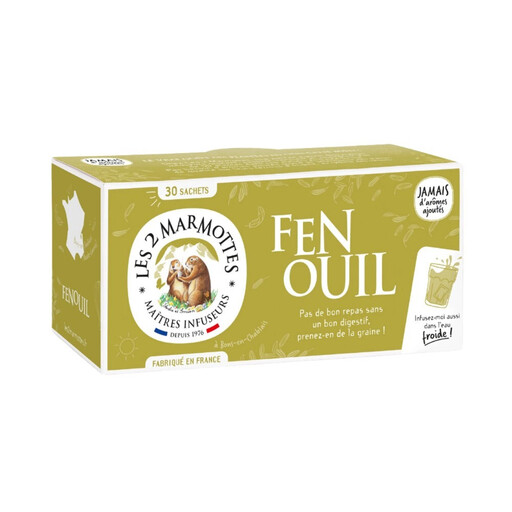
Why this choice suits this profile : With 30 individual tea bags, this infusion makes it easy to measure each cup and offers a simple introduction to fennel, particularly after a meal.
The ingredients list states a composition of 100 % fennel seeds, with no added flavourings or complicated blend to decipher.
30 tea bags, 60 g in total, a naturally caffeine-free infusion and production stated as taking place in France.
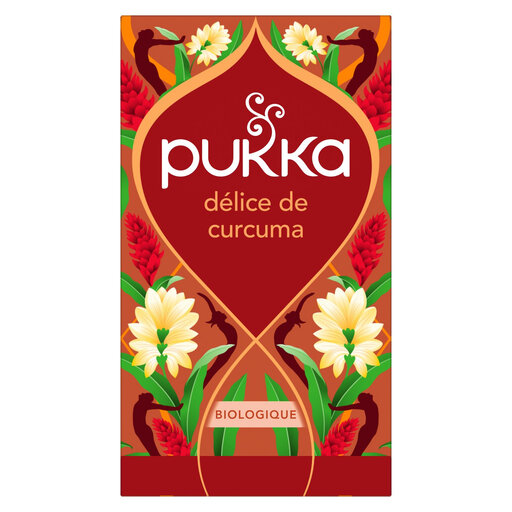
Why this choice suits this profile : This organic blend combines turmeric, ginger, galangal, liquorice, nettle, burdock and orange essential oil for a cup with spicy notes.
The percentages of the main ingredients are provided. This makes it easier to distinguish a genuine root blend from a simple flavoured preparation.
36 g bag, clearly listed organic ingredients and an adjustable infusion time of 5 to 15 minutes.
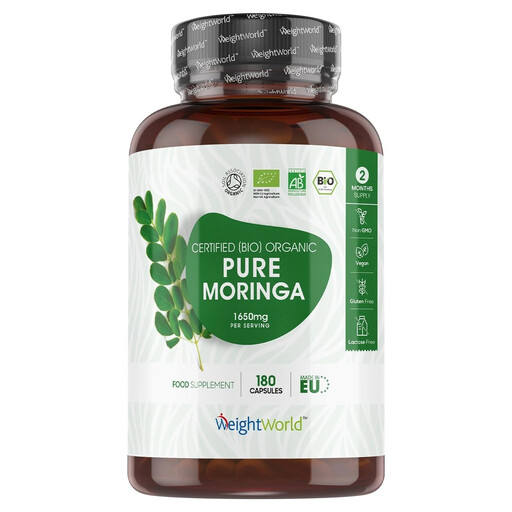
Why this choice suits this profile : The capsule format is ideal for adults who want to add a plant to their routine without having to prepare a drink several times a day.
The product information specifies the stated dose of moringa leaf powder, the presence of vitamin B6 and the total number of capsules.
180 capsules, a formulation described as organic and suitable for a vegan diet, plus a daily dose clearly stated in the product information.
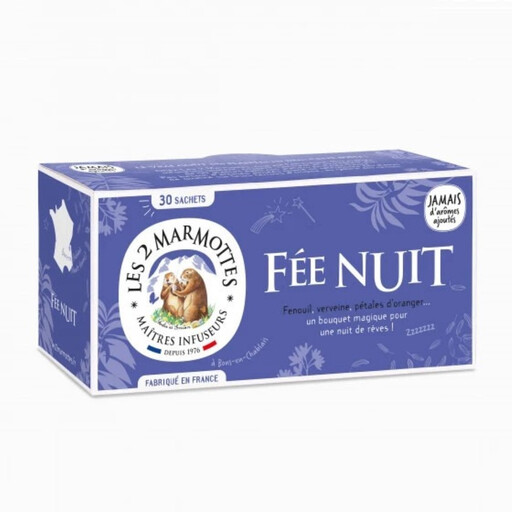
Why this choice suits this profile : This evening herbal tea combines fennel, lemon verbena, orange blossom, cinnamon, camomile and rose to complement a relaxing moment before bed.
The composition and quantities of each ingredient are provided, with no medical claims or added flavourings stated.
30 tea bags, 50 g, no added sugar and naturally caffeine-free according to the information provided.
We have brought together a complete, real-time updated selection of products that meet these exacting criteria and European safety requirements.
Plants are not without risks and may have contraindications. Liquorice, dried ginseng, organic fenugreek and milk thistle may not be suitable for everyone, particularly if you are taking medication, are pregnant or breastfeeding, or have a specific health condition.
For a food supplement :
For a herbal tea, choose an amount that matches your actual consumption. A ginger and turmeric infusion in tea bags is suitable for occasional, hassle-free use. Loose dried herbs offer more flexibility, but require a little more organisation.
Fennel, camomile, mint, hibiscus, rose and verbena infusions are generally caffeine-free when they contain neither tea nor maté. Still, check the ingredients list : some recipes combine several types of plant.
Follow the date shown on the packaging. Once the bag has been opened, store the herbs in an airtight container, in a dry place away from light and strong smells. Their appearance, aroma and lack of moisture are also useful indicators for spotting a product that may have deteriorated.
No. A herbal tea and a food supplement are two different formats, with compositions and dosages that cannot be directly compared. A herbal tea complements a consumption habit, while capsules provide a measured amount in accordance with the labelling. Choose according to how you intend to use the product, without attributing a therapeutic effect to either one that has not been proven.