Hotel café managers serving guests throughout the day
You want to offer distinct flavours at breakfast, after a meal and in the evening, without stocking multiple products that taste much the same.


For a hotel café, a short menu could include a tea or maté blend for daytime, a herbal infusion for the evening, and a minty or after-dinner option. Distinguish these recipes by their ingredients and brewing instructions, without turning names such as “detox” or “sleep” into claims about their effects. If you serve liquorice, make this clear and provide an alternative.
You want to offer distinct flavours at breakfast, after a meal and in the evening, without stocking multiple products that taste much the same.
You need to be able to check the ingredients in every tea bag, particularly whether it contains tea, maté or liquorice, and consult allergen information to answer customers’ questions.
You favour products that clearly state their organic status and the plants they contain, without presenting this information as proof of a health benefit.
Start by catering for different times of day, then check that each recipe is easy to identify and prepare correctly.
| Criteria | What to check | Customers’ priorities |
|---|---|---|
| When customers will drink it | Whether it contains tea or maté, and the ingredients in any plant-based option for the evening. | When serving different drinks at breakfast and at the end of the day, I want to recognise each blend’s profile without relying on the recipe name alone. Around 33% of consumers prioritise this distinction. |
| Easy to serve | The number of tea bags and the instructions for each product: water volume, temperature and brewing time. | When several people are serving customers, I need straightforward instructions for every cup. Around 25% of consumers put consistency first. |
| Clear ingredient information | The ingredients list, allergen information and clear identification of recipes containing liquorice. | If a customer asks about the ingredients, I need to show them clear information rather than assume an infusion is suitable for them. Around 25% of consumers prioritise this transparency. |
| A well-balanced selection | How different the flavours in an assortment really are, and whether the tea bags can be sorted by recipe. | I want to offer choice at the counter without managing several boxes with almost identical flavour profiles. Around 17% of consumers prioritise this balance. |
Terms such as “detox” or “sleep” may identify a recipe, but they do not prove that it treats a health problem. According to Your Europe, nutrition and health claims used for food in the European Union are subject to rules and must be substantiated.
On your menu, describe the ingredients and flavours instead, for example, “verbena, camomile and rooibos”.
According to Anses, high and repeated consumption of liquorice can lead to adverse effects, including high blood pressure. A recipe containing liquorice should therefore not be presented as a general option for all customers.
Make its presence clear on the menu, keep an alternative without liquorice available, and ensure ingredient information is easy to access.
A blend containing green tea or maté is different from a recipe made from plants without tea. Anses notes that caffeine occurs naturally in tea and can affect sleep.
Check the exact ingredients and clearly separate tea blends from herbal infusions on the menu.
The Pagès selection featured by Auchan includes teas, recipes for different times of day and a liquorice blend. Without clear labels, customers or staff may confuse these different profiles.
Organise the display by recipe and serving time, with a visible marker for tea bags containing liquorice.
BB Detox can take the place of a tea-based blend on a daytime menu.
Grand Sud Liquorice and Mint offers a minty flavour, distinct from a floral herbal infusion.
Infusion Sommeil Bio is a plant-based recipe that should be distinguished from blends containing tea.
Infusion Détente offers another plant-based blend for a concise menu.
Its tea and herbal infusion selection can help you present several recipes in one assortment.
These tea bag options let you explore minty flavours and plant-based recipes to round out a hotel menu. Choose them according to their ingredients and the information on the packaging, rather than assuming they all serve the same purpose.
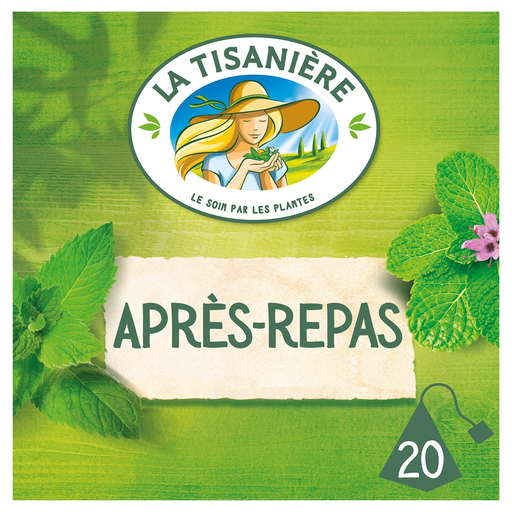 Image unavailable
Consider this 20-bag box if you want to add an aniseed, mint and verbena flavour profile to your menu.
Before serving, check the ingredients on the packaging, particularly whether it contains liquorice, and keep the brewing instructions handy for staff.
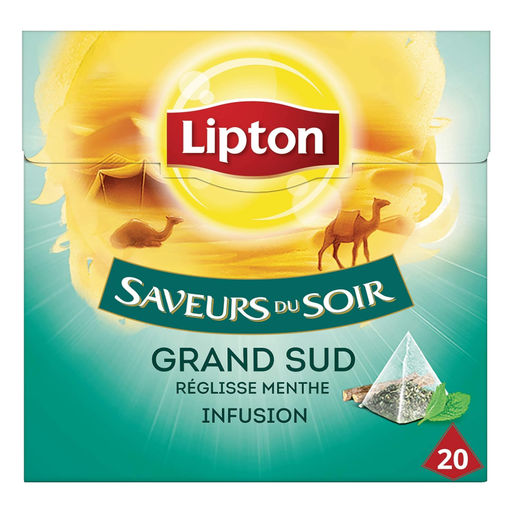 Image unavailable
This 20-bag option offers a distinctive mint and liquorice flavour for your menu.
Make the presence of liquorice clear and provide an alternative. Check the brewing time on the packaging before setting serving instructions.
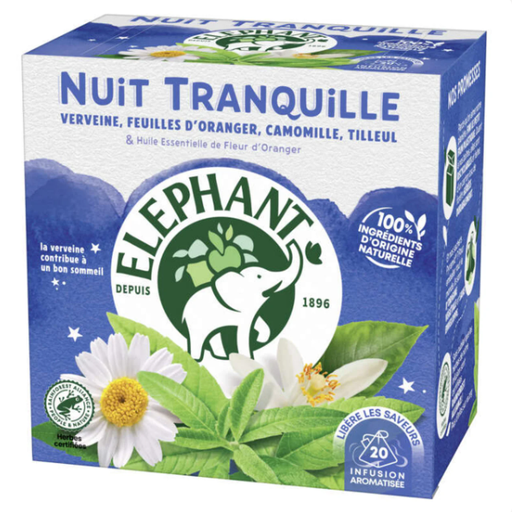 Image unavailable
Consider this tea bag recipe for an evening menu, without presenting the name “Quiet Night” as a promise of an effect.
Check the ingredients and variant on the packaging before describing the product to customers, particularly given the “Honey” in its name.
 Image unavailable
A camomile recipe to consider if you want a floral flavour that stands apart from minty blends. Supplied in a pack of 21 tea bags, 42 g.
Check the packaging for the temperature and brewing time to use when serving.
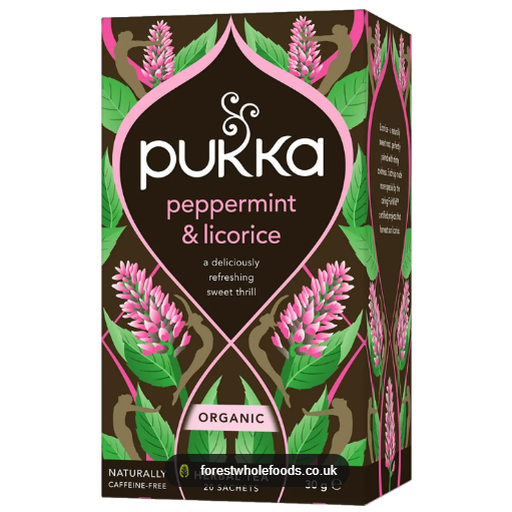 Image unavailable
Another 20-bag option for offering a mint and liquorice flavour.
Make the presence of liquorice clear to customers, and check the packaging for the water volume and brewing time needed for consistent service.
You can use a commercial name to identify a recipe, but not as a promise that it can prevent or treat a condition. According to Your Europe, nutrition and health claims on food in the European Union must comply with rules and be substantiated. Describing the ingredients is a clearer way to present the options available.
Keep the packaging or an accurate copy of the product information so you can check details such as the ingredients, allergens and date shown. The DGCCRF states that mandatory information for prepacked food must be visible, legible and written at least in French, with allergenic ingredients clearly highlighted.
No. It’s best to identify it clearly and offer a recipe without liquorice too. Anses warns that high and repeated consumption of products containing liquorice can lead to adverse effects, including high blood pressure. Staff should be able to show customers the ingredients without offering personalised medical advice.
No. Follow the instructions for each product. Carrefour’s published instructions for Lipton Grand Sud are 200 ml of water at 100 °C for 4 to 5 minutes, while Kusmi Tea recommends 85 °C for 3 to 4 minutes for BB Detox. Check the instructions for the product you are actually serving before displaying them.