Organisers of a caffeine-free evening break
You want to be able to tell attendees clearly which drinks are caffeine-free, based on the exact product being served rather than the recipe name.


For an evening break, start with a rooibos whose exact product listing states that it is “caffeine-free”. Its ingredients may be easy to explain to attendees. Add herbal or fruit infusions for more variety, but check every label: neither an evocative name nor the “infusion” category alone guarantees that a drink is caffeine-free. The format, number of tea bags and brewing time should also suit the pace of service.
You want to be able to tell attendees clearly which drinks are caffeine-free, based on the exact product being served rather than the recipe name.
You need to prepare a large number of cups, so the number of tea bags, available water and brewing instructions matter just as much as the choice of flavours.
You want to offer a range of flavours while making sure that information about ingredients and any allergens is available for every product.
For a conference, first choose products you can clearly describe as caffeine-free, then check that their brewing instructions fit the time available for service.
Choose this if: you want an option whose ingredients and caffeine-free status are easy to communicate. For example, Carrefour describes its Alter Eco rooibos as 100% rooibos and naturally caffeine-free.
Bear in mind: instructions vary by product. Auchan recommends brewing its Ethiquable rooibos for 5 to 6 minutes at 95 °C.
Choose this if: you want to offer a wider range of recipes, such as blends of herbs and fruit.
Check: the absence of tea leaves from the ingredients list is no substitute for an explicit claim if you describe a drink as caffeine-free.
Consider this if: the exact product provides information that matches what you intend to tell attendees.
Check: “decaffeinated” and “caffeine-free” are not interchangeable claims, so check the label on the product you choose.
| Criteria | What to check | Best for which consumers |
|---|---|---|
| Caffeine-free status | The caffeine-free claim and ingredients for the exact product. Don’t rely on names such as “evening” or “relax” alone. | If I need to announce a caffeine-free option at an evening break, I want to be able to show the claim on the box. Around 33% of consumers prioritise this reassurance. |
| Service planning | The number of tea bags per box and the brewing instructions, including the time and water temperature. | When several cups need to be served one after another, I prefer a preparation the team can plan ahead for. Around 27% of consumers put this smooth service first. |
| Flavour variety | The recipes on offer and the ingredients in each one; don’t assume an entire selection is caffeine-free. | To give attendees a choice, I prefer to offer several flavours, even if each recipe needs to be checked individually. Around 20% of consumers put variety at the top of their list. |
| Clear ingredient information | The ingredients list and allergen information for each product served. Distinguish a description of a recipe from a health claim. | If I’m presenting drinks to a group, I want to be able to answer questions about their ingredients accurately. This is the top priority for around 20% of consumers. |
These words don’t necessarily describe what’s in the product. Anses points out that tea naturally contains caffeine.
If you’re serving a drink as caffeine-free, look for that claim on the exact product or choose a rooibos whose listing explicitly says it is caffeine-free.
Auchan’s range also includes green tea, matcha and mate, so not every product there will suit the same purpose.
Read the ingredients on every box before adding it to your evening selection.
A rooibos that takes several minutes to brew can slow down service if the hot water or cups aren’t ready.
Work out how many servings you need, check the instructions for each product and organise your serving area accordingly.
A name that suggests relaxation or digestion doesn’t prove that the drink will have an effect on attendees. The DGCCRF points out that health claims used for food products are regulated.
Instead, describe the type of drink and its ingredients without attributing an unproven benefit to the recipe.
Offers a range of herbal and fruit infusions, including its Relax blend of lemon balm, peach and orange blossom.
Its catalogue lets you compare herbal infusions in different flavours, as well as rooibos products.
Its range brings together several types of drinks for brewing, including Ethiquable rooibos, which is described as caffeine-free.
The Auchan range includes a liquorice and mint infusion called “Evening Flavours”.
This selection includes rooibos and tea-bag infusions, as well as a ready-to-drink beverage. Products designed to be brewed cold are suitable for a cold drinks menu, not for serving as hot herbal tea. Choose the right format before planning your service.
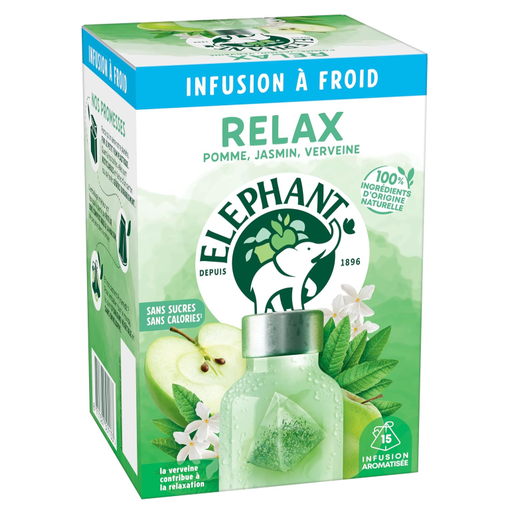 Image unavailable
Worth considering for a cold drink during the break, rather than for serving as hot herbal tea.
The box contains 15 tea bags. Before planning how to prepare it, check the packaging for a caffeine-free claim and the amount of water needed per tea bag.
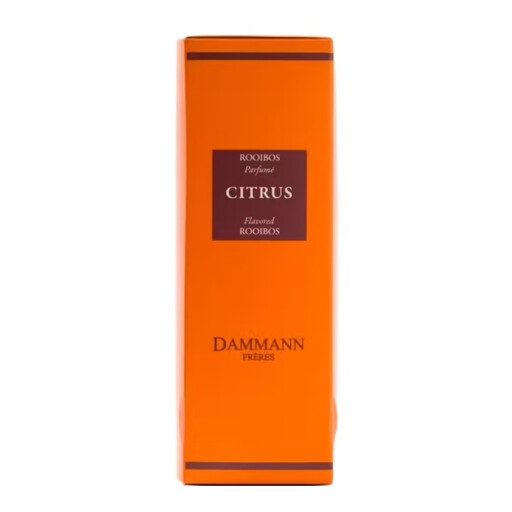 Image unavailable
A citrus rooibos to consider if you’d like to offer this flavour in tea-bag form.
The box contains 24 tea bags and weighs 48 g. Check the caffeine-free claim, information about the citrus ingredients and the brewing instructions on the box you’ll be serving.
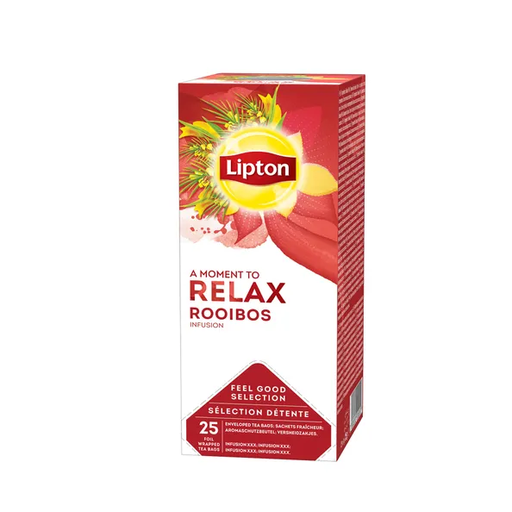 Image unavailable
A tea-bag format to consider when working out how many portions you’ll need for a rooibos service.
The box contains 25 tea bags. Before preparing several cups, check the caffeine-free claim, the amount of water needed and the brewing time.
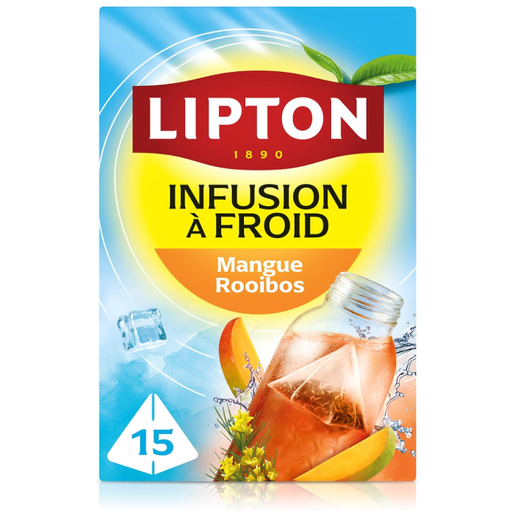 Image unavailable
Choose this for a cold-brewed option if you’d like to pair rooibos with mango. It isn’t suitable for serving as hot herbal tea.
The box contains 15 tea bags. Before preparing the servings, check the caffeine-free claim and the amount of water stated on the packaging.
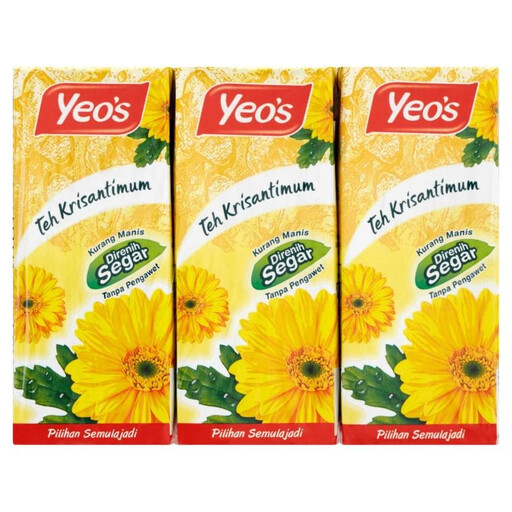 Image unavailable
Consider this only if a ready-to-drink beverage suits your break. It isn’t a substitute for herbal tea that needs brewing and serving hot.
The pack contains six 250 ml bottles. If you’re looking for an unsweetened drink, check the ingredients and sugar information on the label, as well as the caffeine-free claim.
No. The name of the aisle or recipe doesn’t tell you whether a drink is caffeine-free. Anses points out that tea naturally contains caffeine. If you’re describing a drink as caffeine-free, check the claim and ingredients on the exact product, or choose a rooibos explicitly described as caffeine-free.
Check the recommended brewing time for each product before setting your service schedule. Twinings recommends brewing its Relax infusion for 5 minutes in 250 ml of freshly boiled water, while Auchan recommends 5 to 6 minutes at 95 °C for Ethiquable rooibos.
Describe the recipe without turning its name into a promise about its effect on attendees. The DGCCRF points out that only authorised health claims may be used in commercial communications about food products.
Keep the information for every product you actually serve and check it before presenting your selection. The packaging and supplier’s product listing can help you check the ingredients and allergen information. Don’t assume that every recipe from a brand is the same.