For herbal tea served regularly with meals in a care home, a recipe with a short, clearly labelled ingredient list makes it easier to choose what to offer. Blends can then help you vary the flavours to suit each resident’s preferences. Before serving, approved drink consistency and individual restrictions take priority over flavour. The French National Authority for Health stresses the importance of taking swallowing difficulties into account and managing drink consistencies according to an established protocol. Herbal tea is no substitute for assessing difficulties with drinking or eating.
Who is this guide for?
Teams organising mealtimes
An easy-to-check ingredient list helps you confirm what is being offered to each resident. The French National Authority for Health identifies refusing drinks, inadequate hydration and swallowing difficulties as some of the issues to watch for in care homes.
Residents who prefer familiar flavours
Verbena, camomile or a blend of two plants can be a useful starting point for finding out what residents like, subject to their individual guidance. Carrefour, Auchan and E.Leclerc offer products of this kind.
Residents who like to try different flavours
Fruity or floral blends can broaden the choice, as long as their ingredients are suitable for the resident and the drink is served at the consistency specified in their guidance. The more ingredients a recipe contains, the more carefully it needs to be checked.
What should you look for?
For mealtimes in a care home, first check each resident’s individual guidance, then choose a flavour and format that will make regular serving straightforward.
Single-plant herbal tea
Choose this: when the team wants to offer a recognisable flavour while keeping the ingredient list short.
Bear in mind: one recipe offers little variety and never removes the need to follow guidance on drink consistency.
Herbal blend
Choose this: to alternate familiar flavours, such as verbena and mint, after checking every ingredient.
Bear in mind: a recipe containing several plants calls for closer checks of the label and each resident’s individual restrictions.
Fruity or strongly flavoured recipe
Choose this: when a resident would like a more distinctive flavour and the ingredients have been checked.
Bear in mind: the name or flavour alone won’t tell you all the ingredients, including whether liquorice is present.
| Criterion |
What to check |
Who is it for? |
| Individual suitability |
The resident’s required drink consistency and the full ingredient list, particularly whether it contains liquorice. |
If someone has difficulty swallowing or particular restrictions, I need to be able to serve a drink that meets their requirements. Around 42% of consumers put this at the top of their list of concerns. |
| Flavour appeal |
A recognisable flavour, the resident’s preferences and the ingredients in the blend under consideration. |
When residents show little interest in the drinks on offer, I look for a flavour they enjoy without overlooking their restrictions. Taste is the top priority for around 33% of consumers. |
| Regular service |
Number of bags, preparation instructions and whether you can replenish the product. |
To organise mealtimes day to day, I need portions and instructions that are easy to follow at every service. Ease of serving comes first for around 25% of consumers. |
What should you watch out for?
-
Choosing based only on claims such as “digestion” or “relaxation”
These product-range names are not healthcare advice and don’t tell you whether a recipe meets a resident’s individual requirements.
Use them as flavour guides, then check the ingredients and individual guidance before serving.
-
Automatically including a liquorice herbal tea
According to the French Agency for Food, Environmental and Occupational Health & Safety (Anses), high and repeated consumption of liquorice can lead to hypokalaemia and high blood pressure. Its presence therefore deserves particular attention in drinks served regularly.
Check the ingredients list for liquorice. If an individual’s circumstances call for it, ask the care team or pharmacist to review the recipe.
-
Choosing the flavour before checking the drink’s consistency
A regular liquid herbal tea may not be suitable for a resident who needs drinks at a modified consistency. The French National Authority for Health highlights the importance of managing consistencies according to an established protocol to reduce the risk of choking.
Confirm the approved consistency for the resident and follow the care home’s protocol before preparing the drink.
Brands to know when comparing recipes
These ranges offer examples of ingredient lists to consider. Choose individual products according to their ingredients and the guidance that applies to each resident.
Carrefour Classic' / Carrefour Bio
Carrefour offers single-plant herbal teas and fruity blends; one Classic' product lists 100% verbena.
- A single-plant recipe can make it easier to identify what is being served.
- Other products in the range contain several ingredients, sometimes including liquorice, so check each label.
E.Leclerc (Tisēa / Bio Village)
E.Leclerc’s range includes simple recipes and herbal blends. The Bio Village verbena and peppermint herbal tea lists 50% of each plant.
- Choosing between a single plant and a blend lets you introduce different flavours gradually.
- Check the ingredients and availability of the product you choose; the range also includes recipes containing liquorice.
Auchan Bio
One Auchan Bio herbal tea lists 100% organic German camomile and comes in a box of 20 bags.
- Its single-plant ingredients are easy to identify.
- A simple ingredient list doesn’t remove the need to check the approved drink consistency and the resident’s individual guidance.
Twinings
Twinings offers herbal teas combining fruit and plants, as well as recipes with more complex flavour profiles.
- A range of flavours makes it possible to rotate options according to residents’ preferences.
- Wellbeing-themed product names are not healthcare advice; some recipes contain liquorice.
1336
A 1336 evening blend combines lemon balm, camomile, orange leaf, verbena, limeflower and lavender, with the proportions listed in the product information.
- The detailed ingredient list makes it easier to check each plant before offering the recipe.
- A blend of several plants calls for closer checks of individual preferences and restrictions.
Herbal teas available on Joybuy
This selection includes herbal teas with simple flavours and more aromatic blends, giving you options to vary what you offer at mealtimes. Check the format and ingredients of each product, then compare them with the resident’s guidance before serving.
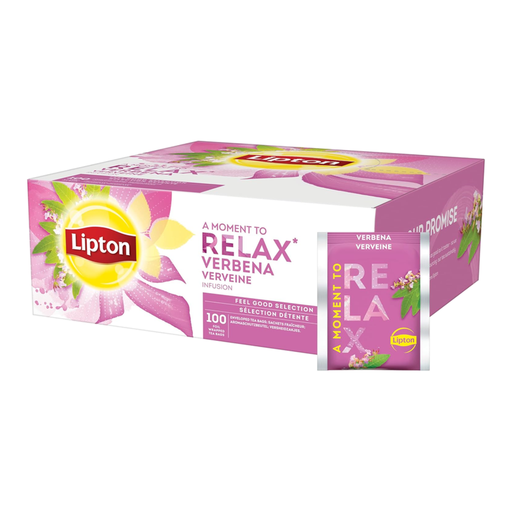 Image unavailable
Lipton Verbena Herbal Tea Gift Set, 100 bags
A verbena flavour to consider when the team wants to offer a simple, familiar taste.
The pack contains 100 bags. Before serving, check the ingredients and make sure the drink is suitable for the resident’s individual consistency requirements.
View on Joybuy
 Image unavailable
Elephant Organic Verbena and Mint Herbal Tea, 20 bags
The verbena and mint blend offers another familiar flavour for residents who enjoy it.
The box contains 20 bags. Check the ingredients and the resident’s individual guidance before adding it to the drinks service.
View on Joybuy
 Image unavailable
DAMMANN FRÉRES Camomile Herbal Tea, 21 bags, 42 g
Camomile offers another distinctive flavour to serve, depending on the resident’s preferences.
The pack contains 21 bags and weighs 42 g. Check the preparation instructions before agreeing a standard serving method, and confirm the approved consistency for each resident.
View on Joybuy
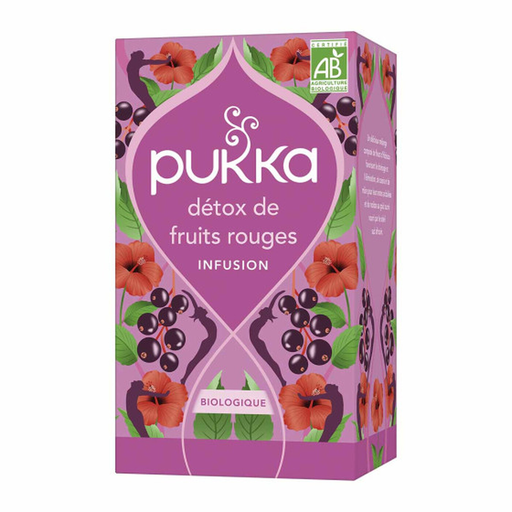 Image unavailable
Pukka Red Fruits Detox Herbal Tea, 34 g
This red-berry recipe is an option for varying the flavours, provided its ingredients are suitable for the resident. “Detox” is part of the product name, not a healthcare claim.
The stated weight is 34 g. Check how many portions it makes to plan the drinks service, as well as the ingredient list and applicable consistency guidance.
View on Joybuy
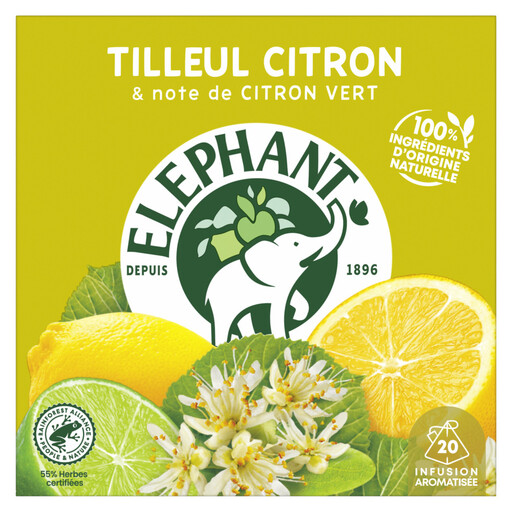 Image unavailable
Elephant Limeflower and Lemon Herbal Tea, 20 bags, 28 g
The limeflower and lemon flavour offers another option for residents who enjoy trying different tastes.
The pack contains 20 bags and weighs 28 g. Check the recipe’s ingredients and preparation instructions before adding it to the regular drinks service.
View on Joybuy
Frequently asked questions
Can a “digestion” or “relaxation” herbal tea replace care after a meal?
No. These marketing claims are no substitute for assessing difficulties with drinking, eating or swallowing. The French National Authority for Health recommends taking these difficulties into account when supporting residents. The herbal tea’s name can only help you identify a recipe or a time to serve it.
Can you serve the same herbal tea to every resident?
You can only serve the same product to everyone after checking the guidance that applies to each resident. Approved drink consistency, ingredients and individual restrictions matter more than the convenience of a uniform service. The French National Authority for Health stresses the need to manage drink consistencies according to an established protocol where there is a risk of choking.
Why check for liquorice before serving a herbal tea regularly?
According to the French Agency for Food, Environmental and Occupational Health & Safety (Anses), high and repeated consumption of liquorice can lead to hypokalaemia and high blood pressure. If a recipe contains liquorice, check its suitability with the care team or pharmacist for any residents concerned before adding it to a regular rotation.


