People looking for a full-flavoured drink
If a floral infusion tastes too subtle for afternoon tea, compare blends featuring ginger, mint, thyme or spices. Check the main ingredients and the brewing time recommended for each product.


For a full-flavoured herbal tea to enjoy with afternoon tea, first choose a blend whose herbs and spices match the flavours you’re looking for, then follow its brewing instructions rather than relying on the word ‘intense’. If you’ll be drinking it later in the day, check whether it contains caffeine. If you have high blood pressure or take medication, pay particular attention to liquorice before making it a regular drink.
If a floral infusion tastes too subtle for afternoon tea, compare blends featuring ginger, mint, thyme or spices. Check the main ingredients and the brewing time recommended for each product.
The word ‘infusion’ doesn’t rule out tea or maté as an ingredient. According to Anses, caffeine can delay falling asleep and reduce the length and quality of sleep, so the ingredients matter particularly if you’ll be drinking it late.
If you have high blood pressure, cardiovascular, kidney or liver disease, or take medication, it’s particularly important to check for liquorice. Anses highlights the risks associated with consuming large amounts repeatedly. A doctor or pharmacist can help you assess your individual circumstances.
Start with the flavour profile, then check the caffeine content and any ingredients that may require extra care in your circumstances. Brewing times aren’t automatically interchangeable from one blend to another.
| Criterion | What to check | Who is it for? |
|---|---|---|
| Full flavour | The main ingredients and the brewing time recommended for the product you’re considering. | I’m looking for a cup with clearly recognisable herbal or spicy notes to enjoy with afternoon tea; around 40% of consumers are said to make full flavour their top priority. |
| Caffeine later in the day | Whether the ingredients include black tea, green tea, matcha or maté. | If I’m having afternoon tea late, I want to make an informed choice about whether my drink contains caffeine; this is said to be a priority for around 30% of consumers. |
| Liquorice and personal circumstances | Whether the blend contains liquorice and, if you have a relevant health condition or take medication, whether regular consumption is suitable according to a healthcare professional. | If I take medication or need to monitor my blood pressure, I prefer to check the ingredients before choosing a flavour; this precaution is said to be a priority for around 30% of consumers. |
Some products sold as infusions contain tea or maté. Anses says that caffeine can disrupt sleep.
Read the ingredients. If you’re having a cup late, look for an explicit ‘caffeine-free’ label if that matters to you.
According to Anses, consuming large amounts of liquorice repeatedly can lead to hypokalaemia and high blood pressure. This ingredient therefore calls for particular care in certain health circumstances.
Look for ‘liquorice’ or Glycyrrhiza glabra on the packaging. If you have high blood pressure, cardiovascular, kidney or liver disease, or take medication, seek advice before drinking it regularly.
A product name doesn’t prove that a herbal tea treats a symptom or illness. The DGCCRF points out that health claims on food products are regulated.
Base your choice on the blend, how it is prepared and any stated precautions. Don’t replace treatment or medical care with a drink.
A lemon, mint or spice infusion won’t necessarily have the same ingredients as another product with a similar name.
Compare the ingredients, their proportions where these are stated, and the preparation instructions for each product.
In France, the brand offers a range of teas and infusions with varied flavour combinations.
Its Organic Ginger, Lemongrass and Lemon infusion is a specific example of a citrusy, spicy blend.
E.Leclerc offers infusions including verbena, camomile, lime blossom, mint and thyme.
Auchan’s range includes verbena and peppermint blends, as well as thyme infusions.
Some Lipton products in Auchan’s range combine liquorice and mint, while others pair lime and mint in a cold-brew infusion.
These products offer verbena and mint, ginger and lemon, or spicy flavour profiles to enjoy with afternoon tea. Compare their ingredients and preparation instructions before choosing, particularly if caffeine or liquorice is a factor in your decision.
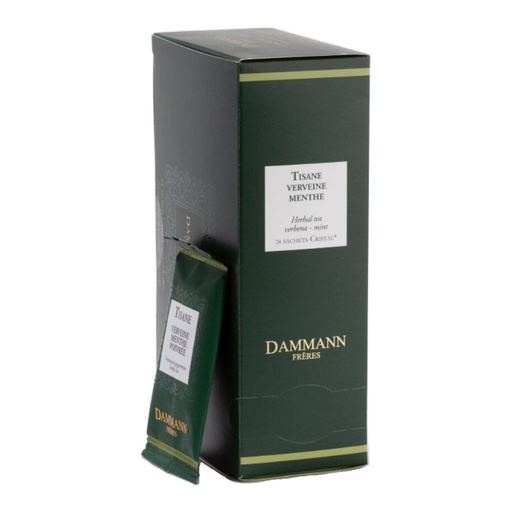 Image unavailable
Worth exploring if you’re looking for a blend of herbal flavours to enjoy with afternoon tea.
Follow the preparation instructions on the packaging to tailor the cup to your taste.
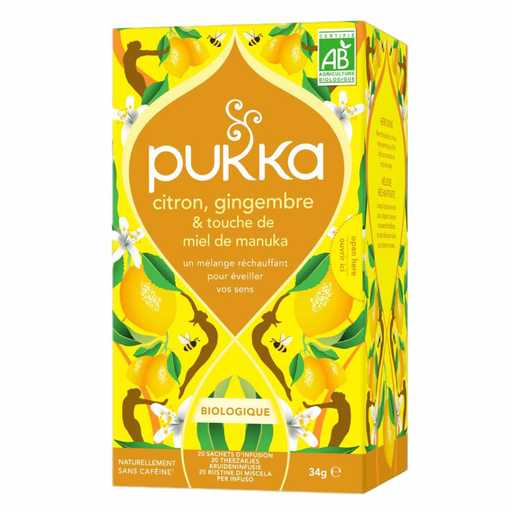 Image unavailable
Compare this if you’re looking for ginger and lemon flavours to enjoy with afternoon tea.
Check the ingredients list, particularly for liquorice, before making it a regular drink if your health circumstances call for extra care.
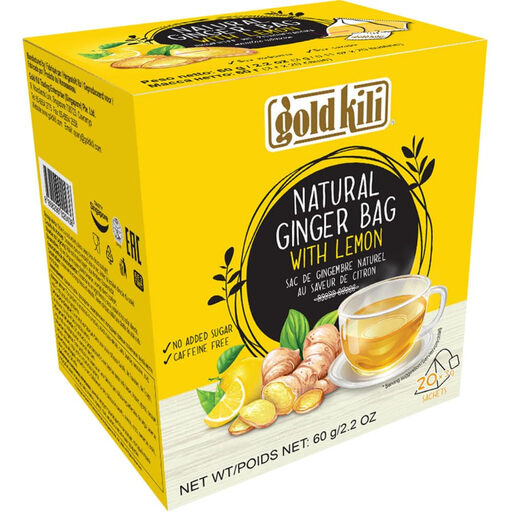 Image unavailable
Worth exploring if ginger and lemon are the flavours you’d like to enjoy with afternoon tea.
Before preparing it, check the packaging for the product format, instructions and full list of ingredients.
 Image unavailable
Worth exploring if you’d like to compare a spiced blend with more herbal infusions.
The product name doesn’t guarantee a digestive effect. Check whether it contains liquorice too, if this ingredient requires extra care in your circumstances.
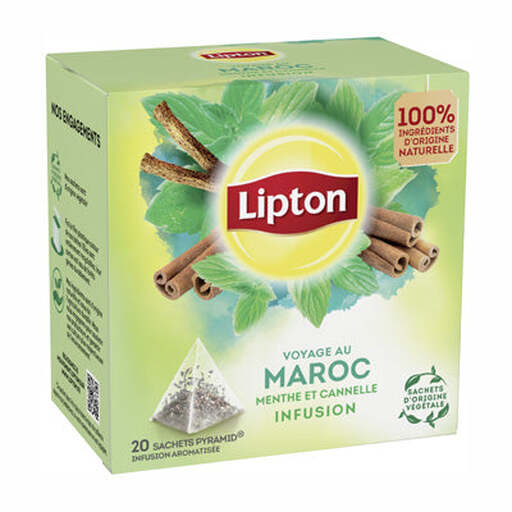 Image unavailable
Compare this if a mint and cinnamon blend appeals to you for afternoon tea.
For a late cup, check the packaging for caffeine. Before drinking it regularly, also check for any precautions relating to liquorice.
Follow the brewing time recommended for the product and adjust it if the instructions allow. For its Vitavéa Ginger Lemon Invigorating infusion, E.Leclerc recommends brewing for 3 to 5 minutes, depending on how strong you like it. This instruction doesn’t apply to every blend.
No. Some blends contain black tea, green tea, matcha or maté. Check the ingredients of the product you choose, especially if you’ll be drinking it late. According to Anses, caffeine can affect how quickly you fall asleep and the quality of your sleep.
Yes. If you have high blood pressure, seek advice tailored to you before drinking liquorice tea regularly. Anses says that consuming large amounts of liquorice repeatedly can lead to hypokalaemia and high blood pressure. Tell your doctor or pharmacist about any medication you take too.
No. These words alone don’t prove that a herbal tea has a therapeutic effect. The DGCCRF points out that health claims on food products are regulated. Choose a drink based on its ingredients, and don’t use herbal tea as a substitute for treatment.