What should you check before choosing?
First, choose the flavour profile you’d like to drink, then check the ingredients and pack size. Black or green tea is a different choice from a herbal infusion; they’re not interchangeable if you want to avoid caffeine.
| What matters |
What to check |
Who is it for? |
| Bold flavour |
Main ingredients and the brewing instructions on the box. |
If I want a full-flavoured drink, I’d rather choose between ginger and lemon, mint, and liquorice and mint than rely on a claim about intensity. Around 31% of consumers put flavour first. |
| No caffeine |
The product name, ingredients list and any “caffeine-free” claim for that specific blend. |
For an evening cup, I want to know what’s in the box before I mistake it for tea. Around 25% of consumers say avoiding caffeine is their top priority. |
| Ingredients |
Ingredients, any stated allergens and whether it contains liquorice. |
If I plan to drink the same blend regularly, I want to spot any ingredients that need particular attention. Ingredients come first for around 25% of consumers. |
| Pack size |
Number of tea bags, net weight and best-before date. |
For my first shop, I’d rather try a few flavours than end up with a large quantity of a blend I haven’t tried before. Pack size is the top priority for around 19% of consumers. |
Herbal teas to consider on Joybuy
These products cover ginger and lemon, mint and liquorice, and mint and grapefruit flavour profiles. Choose according to the taste and preparation method you’re looking for. If you plan to drink a liquorice blend regularly, the relevant precautions still apply.
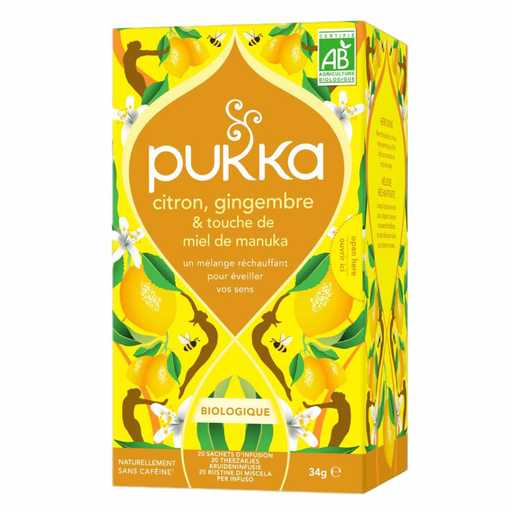 Image unavailable
PUKKA Manuka Honey with Lemon & Ginger, 20 sachets
Worth considering if you’re looking for a blend with notes of ginger and lemon. The box contains 20 tea bags. Check the ingredients, especially if you want to avoid liquorice when drinking herbal tea regularly.
View on Joybuy
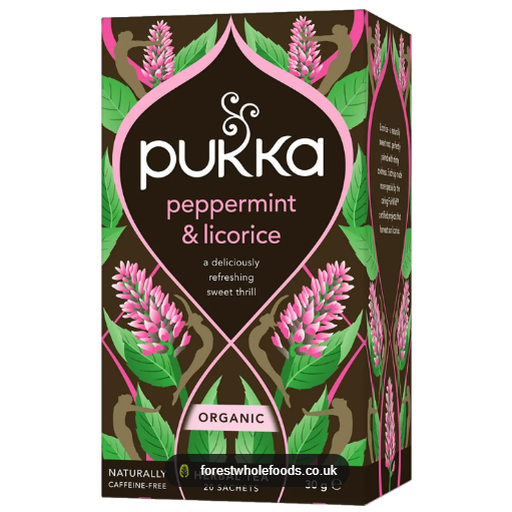 Image unavailable
PUKKA Peppermint & Licorice, 20 sachets
Worth considering if you prefer a mint and liquorice flavour profile to ginger and lemon. The box contains 20 tea bags. The liquorice content is worth bearing in mind if you’re thinking of drinking it regularly.
View on Joybuy
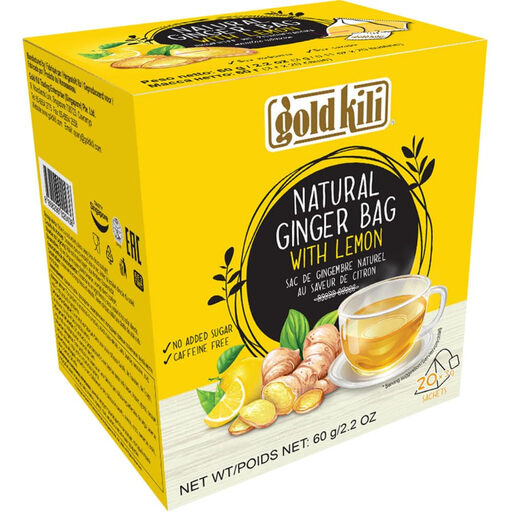 Image unavailable
Goldkili Natural Ginger & Lemon Infusion, 60 g
Worth a look if you’re after a ginger and lemon drink. The stated pack size is 60 g. Check the serving size, preparation instructions and allergens on the packaging before adding it to your selection.
View on Joybuy
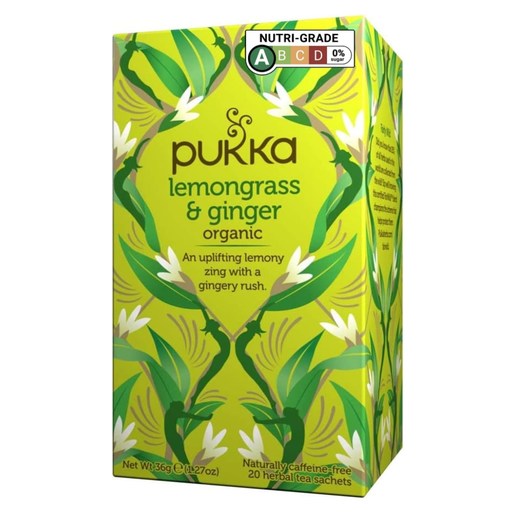 Image unavailable
PUKKA Lemongrass & Ginger, 20 sachets
Worth considering if lemongrass and ginger is the flavour profile you’re looking for. The box contains 20 tea bags. Check the ingredients list and any information about caffeine if these details matter to you.
View on Joybuy
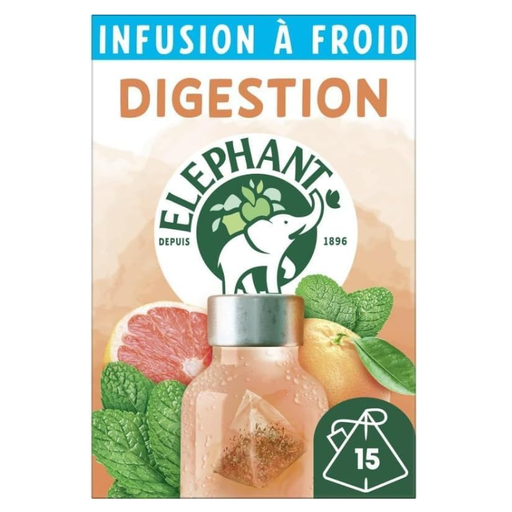 Image unavailable
ELEPHANT Cold Brew Digestion, 15 sachets
Worth a look if you’re after a cold-brew infusion rather than a hot ginger drink. The box contains 15 tea bags. “Digestion” is part of the product name and doesn’t prove that it has a health benefit.
View on Joybuy
Frequently asked questions
Is herbal tea always caffeine-free?
Don’t assume it is just because it’s in the herbal tea aisle or labelled an “infusion”. If avoiding caffeine is essential for you, check the product name, ingredients and information for that specific blend, particularly when teas and herbal infusions are displayed side by side.
How can I choose a more full-flavoured cup?
Start by choosing a flavour family that appeals to you, such as ginger and lemon or liquorice and mint, then follow the brewing instructions on the box. Adding extra tea bags without knowing what’s in the blend isn’t necessarily the best way to get the flavour you’re after.
Why should I check for liquorice if I drink it regularly?
Anses links high, repeated consumption of liquorice-containing products with health risks, including hypokalaemia and high blood pressure. It highlights particular risks for pregnant or breastfeeding women, children, and people with cardiovascular, kidney or liver problems. Ask a healthcare professional for advice if you have a relevant health condition or take medication.
Do “detox” or “digestion” claims guarantee a health benefit?
No: a range name doesn’t prove that a product has a health benefit. The DGCCRF explains that nutrition and health claims used in France are regulated. When choosing a herbal tea, it’s better to look at the ingredients and preparation instructions.
What does the best-before date on a herbal tea box mean?
The best-before date indicates how long the product should retain its quality when stored as directed. According to the DGCCRF, going past this date doesn’t necessarily mean the product is unsafe to consume if the packaging is intact, but its flavour may deteriorate. Also check the storage instructions on the box.


