People short on time at lunchtime
If you only have a mug and access to hot water, a tea bag saves you measuring out loose herbs. Just check the stated brewing time: you’ll need to allow for it as part of your break.


For a quick lunch at work, start by choosing an herbal tea that fits into your break and contains ingredients you enjoy. If you want to avoid caffeine, check for tea, matcha, maté or guarana. If you plan to drink it regularly, pay attention to liquorice too, rather than relying on the ‘wellness’ label alone.
If you only have a mug and access to hot water, a tea bag saves you measuring out loose herbs. Just check the stated brewing time: you’ll need to allow for it as part of your break.
The word ‘infusion’ alone doesn’t tell you whether a drink contains caffeine. Some blends include tea or other plants that may provide caffeine, so check the exact recipe.
Comparing the herbs and flavourings helps you find a taste you like and spot any ingredients you’d rather avoid. Anses particularly advises caution around high, repeated consumption of liquorice.
Start with what you can prepare at work, then compare the recipes by their ingredients and anything else that matters to you.
| What to consider | What to check | Who this matters to |
|---|---|---|
| Preparing it during your break | Whether it comes in tea bags, and the amount of water and brewing time stated on the packaging. | I want to make a cup without measuring out herbs and drink it before my lunch break ends. This would be the main concern for around 40% of consumers. |
| Taste and ingredients | The list of herbs and flavourings; don’t assume you know the recipe just from a label such as ‘after meals’. | If I plan to have the same blend at work regularly, I’d like to know which herbs give it its flavour. Around 30% of consumers would put knowing what’s in the blend first. |
| Caffeine and precautions | Whether the ingredients include tea, matcha, maté, guarana or liquorice, and any product warnings. | For an afternoon drink, I mainly want to avoid an ingredient that doesn’t suit my usual consumption. This precaution would be a priority for around 30% of consumers. |
Words such as ‘detox’ or ‘digestion’ don’t tell you what’s in a product or guarantee any effect. The DGCCRF reminds consumers that nutrition and health claims on food are regulated.
Use the name to find a recipe that appeals to you, then check its ingredients and instructions for use.
Some blends sold as herbal teas contain tea or maté. According to Anses, caffeine occurs naturally in tea.
If you want to avoid it, check the specific product’s ingredients for tea, matcha, maté and guarana in particular.
Anses warns that high, repeated consumption of liquorice can lead to low blood potassium and high blood pressure.
Check for this ingredient before making an herbal tea your regular drink. If you’re pregnant, have a health condition or take medication, ask a healthcare professional for advice if you’re unsure.
A blend you find online may not be available at the shop or collection point you use.
If you plan to buy the same blend regularly for work, check that it’s available at your chosen retailer.
The Auchan range includes lime and mint blends for cold brewing, as well as liquorice and mint blends. Their preparation methods and ingredients may suit different uses.
A Carrefour listing for an Eléphant herbal tea lets you check the ingredients and preparation instructions for that particular product.
The Tisæa and Bio Village ranges include several herbal blends, including a Tisæa ‘after meals’ infusion with mint, verbena, camomile and lemon balm.
The Auchan range includes an Auchan Bio herbal tea combining lemon balm, rosemary and spearmint, as well as blends with different flavour profiles.
These tea bags offer options for work breaks, whether you have hot water or want to make a cold brew. Choose according to the water available, the taste you’re after and any ingredients you need to watch out for. Always check the packaging for product-specific instructions.
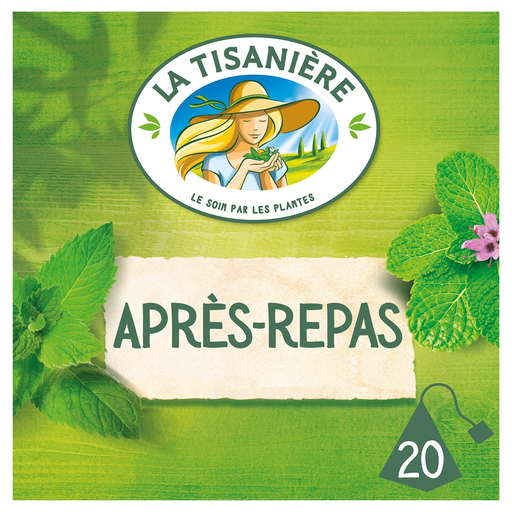 Image unavailable
An option in tea bags if you fancy aniseed, mint and verbena after lunch. Liquorice is also listed in the ingredients, so check the label before making this your regular drink.
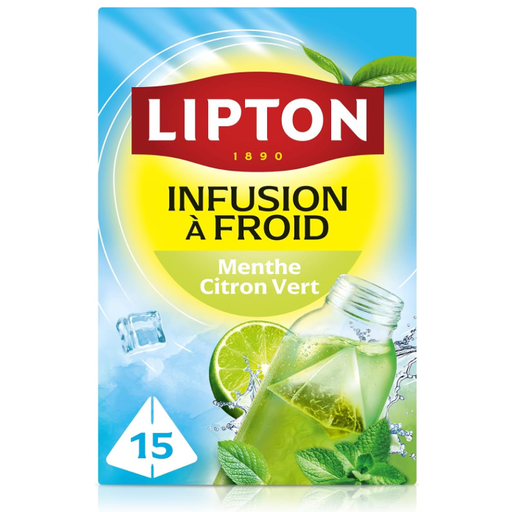 Image unavailable
Worth considering if you’d rather have a cold mint and lime drink than a hot cup of tea. The box contains 15 tea bags; follow the brewing instructions for this product.
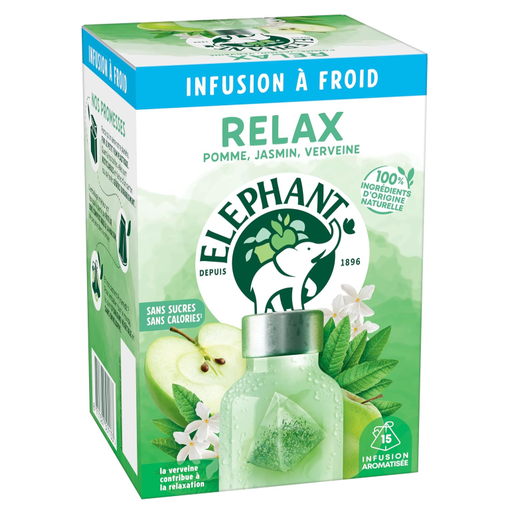 Image unavailable
This herbal infusion comes in a pack of 15 tea bags and is designed to be cold-brewed. If you’re looking for a hot herbal tea to enjoy with lunch, this preparation method serves a different purpose.
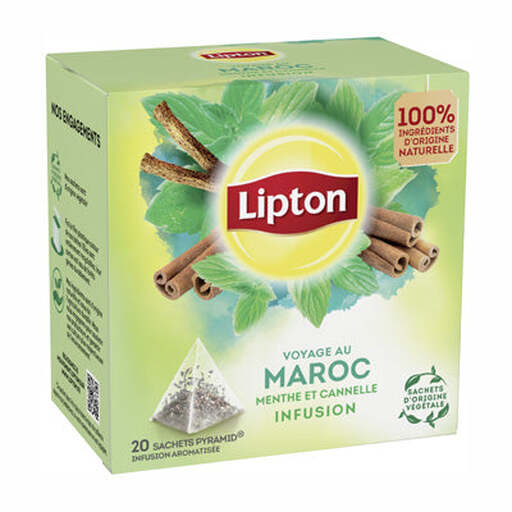 Image unavailable
A pack of 20 tea bags for anyone looking for a mint and cinnamon flavour at lunchtime. Liquorice is listed among the ingredients; if you need to avoid caffeine, check the label for this product too.
 Image unavailable
Worth considering if you’re after a verbena and mint blend in tea bags for a cup at work. The box contains 20 tea bags; check the packaging for preparation instructions and, if needed, information about caffeine.
No. These words don’t guarantee any effect. The DGCCRF reminds consumers that nutrition and health claims on food are regulated. When choosing a drink, check its ingredients rather than interpreting its name as a therapeutic promise.
Read the ingredient list and look for tea, matcha, maté or guarana in particular. Anses says caffeine occurs naturally in certain plants, including tea, so the name of the aisle alone won’t tell you whether a drink is caffeine-free.
Yes, especially if you’re considering drinking it frequently and in large amounts. Anses warns of a risk of low blood potassium and high blood pressure in these circumstances. Read the product warnings and ask a healthcare professional for advice if your circumstances or medication give you cause for concern.
You’ll need a mug and the right type of water for the product you choose: some tea bags are brewed hot, while others are made with cold water. Check the amount of water, temperature and brewing time on the packaging before relying on it for a short break.