For a hot evening drink without tea, start with a herbal infusion whose ingredients do not include tea: the Anses reminds us that tea naturally contains caffeine. If you’d prefer to keep the taste of tea, choose a product explicitly labelled as decaffeinated and check its caffeine information. Either way, let the ingredients and flavour guide your choice rather than promises of relaxation.
Who is this choice for?
People avoiding tea in the evening
If you’re swapping your usual cup before bed, check the ingredients first. A name that suggests it’s for the evening doesn’t tell you whether the recipe contains tea, which is a natural source of caffeine according to the Anses.
Fans of gentle-flavoured hot drinks
For a winter warmer, recipes with detailed ingredient information offer different flavour profiles: chamomile and rooibos with cinnamon and vanilla, or lemon balm paired with peach and orange blossom. Choose the notes you’ll enjoy drinking regularly.
People who pay attention to ingredients
If you’re concerned about an ingredient, read the full list and any warnings, especially those relating to liquorice. The DGCCRF states that allergens must be highlighted in the ingredients list of prepacked foods.
What should you look for?
First decide whether you’d like a herbal infusion or prefer to keep the taste of tea with a decaffeinated version. Then compare the ingredients, flavour profile and packaging to find the right recipe for you.
| Criteria |
What to check |
Who is this for? |
| Caffeine |
For a herbal infusion, read the ingredients list and check whether it includes tea. For decaffeinated tea, consult the information provided for that specific product. |
If you want to replace your evening tea, the difference between tea and herbal infusion matters more than the range name. Around 33% of consumers rank this as their main concern. |
| Flavour |
Compare the plants, fruit, spices and flavourings listed. Recipes with detailed ingredient information range from chamomile, rooibos, cinnamon and vanilla to lemon balm, peach and orange blossom. |
For a cup you’ll look forward to making on winter evenings, start with the flavours you enjoy. Taste is the main consideration for around 27% of consumers. |
| Ingredients to be aware of |
Read the ingredients, highlighted allergens and warnings, particularly if the recipe contains liquorice. |
If you need to avoid an ingredient or take a warning into account, flavour becomes less important. Around 20% of consumers prioritise checking the label. |
| Pack size |
Compare the number of tea bags, net weight and recipe of the box you plan to buy. |
If you make herbal infusions often, you’ll want a pack size that suits your everyday use. This would be the main consideration for around 20% of consumers. |
Common mix-ups to avoid
-
Confusing decaffeinated tea with herbal infusion
These aren’t two names for the same drink. Tea naturally contains caffeine, as the Anses reminds us; choose a herbal infusion by checking its own ingredients list.
If you want to keep the taste of tea, look for a product explicitly labelled “decaffeinated” and check its caffeine information. For a herbal infusion, check the ingredients on the box you choose.
-
Overlooking liquorice in a flavoured blend
According to the Anses, consuming large amounts of liquorice-containing products repeatedly can pose health risks, including hypokalaemia and high blood pressure.
Look for liquorice in the ingredients and read any warnings. If your circumstances or medication raise questions about consuming it, ask a healthcare professional for advice.
-
Taking “night” or “relax” as proof of an effect
These words describe a recipe, but don’t prove that it improves sleep or relaxation. On their own, they also don’t tell you everything about its ingredients.
Choose your drink based on its ingredients and the flavour profile you’re looking for, then follow the preparation instructions for the product you buy.
Brands to know for herbal infusions
Twinings
The range includes herbal infusions with plant-based and fruity combinations. Its Relax Lemon Balm, Peach and Orange Blossom Infusion offers a different flavour profile from spiced blends.
- Twinings’ product information lists lemon balm, nettle and apple among the ingredients in this recipe.
- The name “Relax” doesn’t prove that it will have an individual effect on relaxation.
La Tisanière
Its Organic Night Herbal Tea combines chamomile, rooibos, cinnamon and natural vanilla flavouring for anyone drawn to a gentle, spiced profile.
- The product information provided by Auchan lists the ingredients and a pack of 20 tea bags.
- The word “night” doesn’t prove that it improves sleep.
Carrefour
Carrefour’s herbal infusion range brings together classic and flavoured recipes, making it easy to compare different tastes during your regular shop.
- The range featured by Carrefour includes rooibos and vanilla, as well as apple and cinnamon blends.
- Check the ingredients and information for each product on its own product page or packaging.
TISEA / Marque Repère E.Leclerc
The range includes evening infusions and recipes made with plants, mint or fruit.
- E.Leclerc features a Gentle Evening infusion made with lime blossom, verbena, lavender and chamomile.
- The name of a recipe is no substitute for reading the full ingredients list.
Herbal infusions to consider on Joybuy
These products are herbal infusions for a hot cup, with different recipes and pack sizes. If you need explicit confirmation that a product is caffeine-free, check the wording on the specific product you choose.
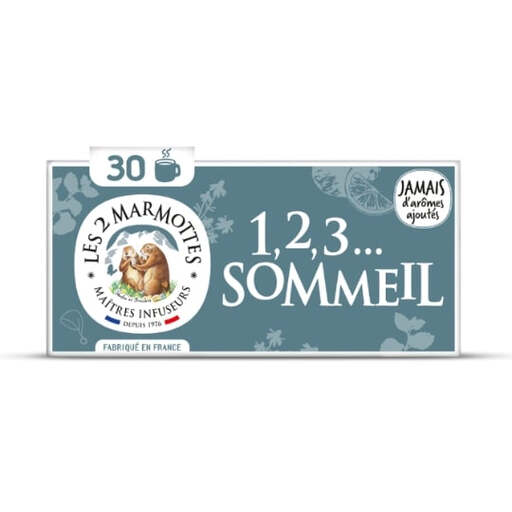 Image unavailable
LES 2 MARMOTTES 123 Sleep, 30 tea bags
For a herbal infusion with citrus and floral notes: the product information describes a blend containing lemon balm, lemon, chamomile, lemongrass and rooibos, and presents it as caffeine-free.
The name “Sleep” doesn’t prove that it has an effect on sleep.
View on Joybuy
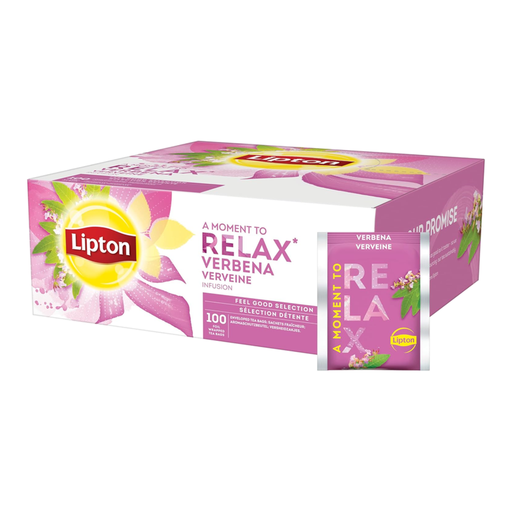 Image unavailable
Lipton Verbena Herbal Infusion, box of 100 tea bags
For a verbena infusion with no additional flavourings listed: the ingredients shown include verbena only, and the box contains 100 tea bags.
The recommended preparation time is 4 to 5 minutes in 200 ml of water at 90 °C. If you need an explicit “caffeine-free” claim, check the packaging.
View on Joybuy
 Image unavailable
DAMMANN FRÉRES Chamomile, 21 tea bags, 42 g
For a floral cup: the ingredients shown are 100% chamomile, and the product description presents it as caffeine-free.
The 21 tea bags are individually wrapped. Check the packaging for preparation instructions for this product.
View on Joybuy
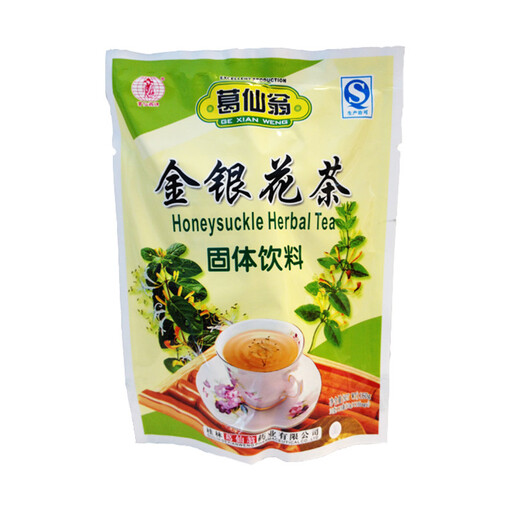 Image unavailable
GXW Honeysuckle, 16 tea bags of 10 g
For an infusion made with a single flower: the ingredients shown list honeysuckle only, in 16 tea bags of 10 g each.
The product information says it can be prepared hot or cold. Check the instructions for hot preparation and the caffeine information if these details will affect your choice.
View on Joybuy
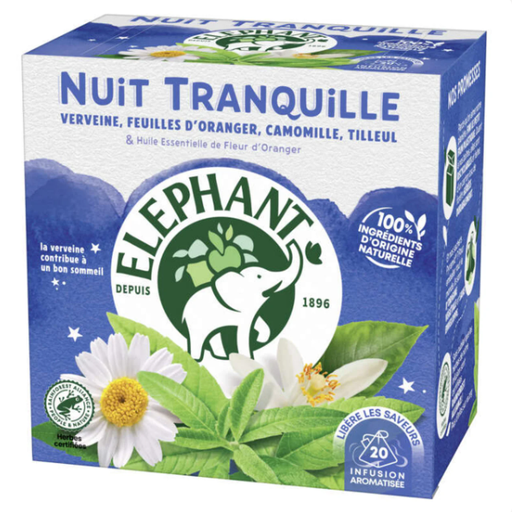 Image unavailable
ELEPHANT Quiet Night Honey, 20 tea bags
For a floral and herbal blend to enjoy hot: the ingredients shown include verbena, orange leaf, chamomile, lime blossom and lavender.
The recommended preparation time is 4 to 5 minutes in 200 ml of hot water. “Honey” appears in the name, but honey isn’t listed among the ingredients shown. Check the product and its ingredients on the packaging, as well as the caffeine information if needed.
View on Joybuy
Frequently asked questions
Are herbal infusions always caffeine-free?
Don’t rely on the word “herbal infusion” alone: check the ingredients and information for the specific product. The Anses reminds us that tea naturally contains caffeine. If you want to avoid it, check whether tea is listed among the ingredients and look for an explicit claim when you need clear confirmation.
How do you brew an evening infusion without leaving it to steep for too long?
Follow the steeping time and water quantity shown on your box. The product information for Twinings Relax Infusion and La Tisanière Night Herbal Tea both recommends steeping for five minutes in 250 ml of hot water. These instructions may not apply to other recipes.
What should you look for on a herbal tea label?
Start with the ingredients list to identify the recipe and check for tea, flavourings or liquorice. For prepacked foods, the DGCCRF states that allergenic ingredients must be highlighted. Also read any warnings and the product’s own preparation instructions.
Should you be careful about liquorice in an evening infusion?
Yes. Check any warnings, especially if you drink the same infusion often. The Anses links high and repeated consumption of liquorice-containing products with risks including hypokalaemia and high blood pressure. If you have a particular health concern or are taking medication, ask a healthcare professional for advice.


