Students avoiding caffeine
You want to take a drink with you for lunch without accidentally choosing a blend containing tea, matcha or maté. The ingredients list matters more than the name of the aisle.


If you want to avoid caffeine over lunch at uni, start with a herbal infusion or rooibos labelled ‘caffeine-free’, then check the ingredients: the ‘wellness’ aisle also includes blends with tea, matcha or maté. If you’re after the taste of tea, check that the product you choose is decaffeinated. For a break between lectures, how it’s prepared and whether you enjoy the flavour are more useful criteria than claims about relaxation or digestion.
You want to take a drink with you for lunch without accidentally choosing a blend containing tea, matcha or maté. The ingredients list matters more than the name of the aisle.
You’re looking for a simple tea bag to use between lectures, and choose your drink based on its flavour. Rooibos, verbena and mint are all worth comparing by checking the ingredients in each product.
You’d rather make your choice based on the ingredients and flavour than treat a ‘detox’, ‘digestion’ or ‘relaxation’ claim as proof of a medical effect.
First, decide whether you want a caffeine-free herbal infusion or decaffeinated tea, depending on the taste you’re after. Then check the preparation instructions, full ingredients list and format to find what suits your break.
| What to consider | What to check | Who it’s for |
|---|---|---|
| Caffeine | Check the ingredients for tea, matcha or maté; if avoiding caffeine is your priority, look for a ‘caffeine-free’ label. For decaffeinated tea, check the product description. | I want a drink for lunch and don’t want to rely on the word ‘infusion’ on the aisle sign alone. Around 37% of consumers put avoiding caffeine at the top of their list. |
| Preparation and flavour | Compare tea bags and loose-leaf options, brewing instructions and the ingredients that give the drink its flavour. | Between lectures, I’m looking for something that fits into my break and tastes good. Ease of preparation and flavour are the top priorities for around 27% of consumers. |
| ‘Wellness’ claims | Check the ingredients before deciding based on claims such as ‘digestion’ or ‘detox’. | If the packaging suggests an effect on the body, I want to choose a drink without mistaking a claim for a treatment. This is the main concern for around 18% of consumers. |
| Format and availability | Check the number of tea bags, the pack size and the purchasing options that suit you. | For breaks at uni, I prefer packaging that’s easy to carry and easy to find again. Around 18% of consumers prioritise the product format and availability. |
The aisle may include both herbal infusions and blends containing black tea, matcha or maté. So its name alone won’t tell you whether a product is suitable if you want to avoid caffeine.
Check the ingredients list for the specific product and look for a ‘caffeine-free’ label if one appears on the packaging.
The DGCCRF has identified non-compliant health claims in communications about infusions. A tempting claim on a box isn’t proof of a medical effect.
Choose based on the ingredients and flavour. If you have a question about a symptom, treatment or pregnancy, speak to a healthcare professional rather than relying on a claim on an infusion.
Kusmi Tea’s range includes Be Cool, a herbal infusion with verbena, mint and liquorice.
Lipton’s range includes rooibos infusions in tea bags, including one designed for cold brewing.
Carrefour’s range includes an organic rooibos infusion labelled caffeine-free, in a box of 20 tea bags.
The Bio Village range includes verbena and mint infusions in boxes of 20 tea bags.
The range includes herbal infusions and rooibos, as well as products containing black tea, matcha or maté.
This selection includes cold-brew tea bags and rooibos or herbal infusions to consider for a break at uni. Whether you want a hot or cold drink, check the ingredients and follow the instructions for each product.
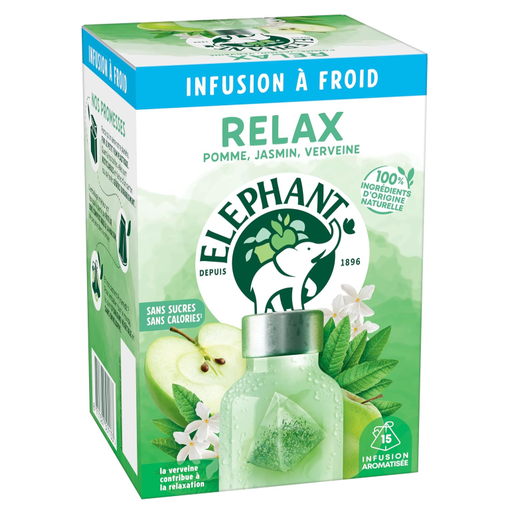 Image unavailable
Worth considering if you’d rather prepare a cold drink to take with you than have something hot with lunch.
Cold-brew infusion in a box of 15 tea bags. Check the ingredients and preparation instructions on the packaging; the name ‘Relax’ doesn’t prove it has a relaxing effect.
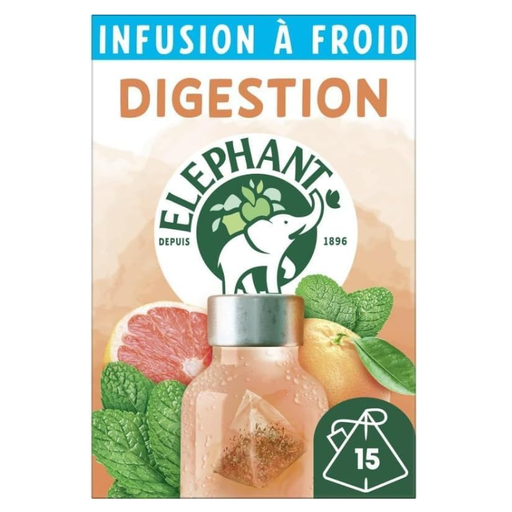 Image unavailable
This format may suit you if you’d like to prepare a cold infusion to take with you after lunch.
The box contains 15 tea bags. Check the ingredients and preparation instructions; the ‘Digestion’ label doesn’t prove a medical benefit.
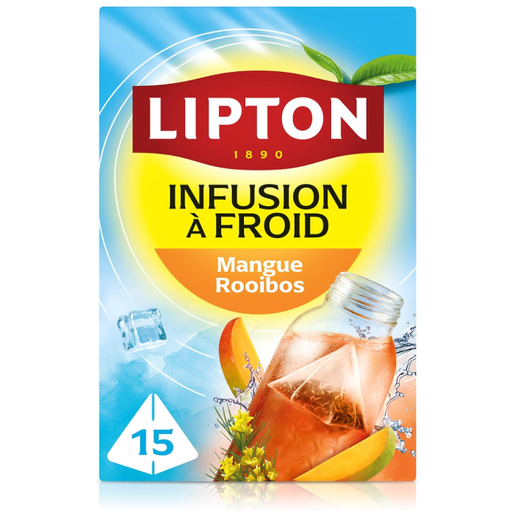 Image unavailable
Worth considering if you’re looking for a cold-brew rooibos infusion to take with you for your break.
The pack contains 15 tea bags. Check the instructions on the packaging for the amount of water to use, and check the ingredients in the blend.
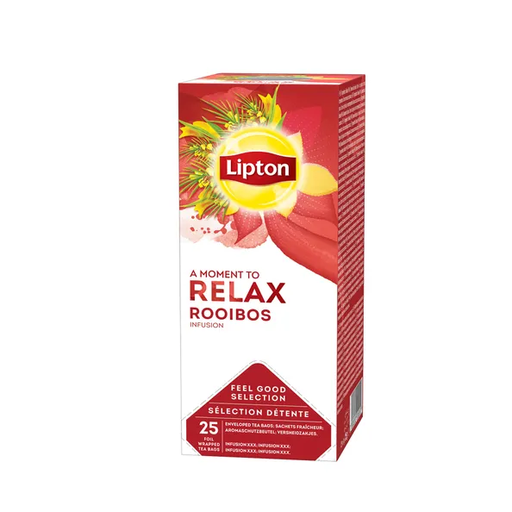 Image unavailable
If you prefer a hot infusion in a tea bag for your lunch break, this rooibos option is worth considering.
The box contains 25 tea bags. For flavour and preparation details, check the ingredients and instructions on the packaging.
 Image unavailable
This herbal infusion is worth considering if you’d like a hot drink after lunch.
The pack is marked 40 g. Check the packaging for the format, ingredients and brewing instructions; the name ‘Digestion’ doesn’t prove it has a medical effect.
No. An aisle with that name may also feature blends containing black tea, matcha or maté, as Auchan’s range illustrates. If you want to avoid caffeine, check the ingredients in the product you choose and look for a ‘caffeine-free’ label.
Some rooibos products from Auchan and Carrefour are labelled ‘caffeine-free’. If you’re choosing a rooibos blend, still check the other ingredients and the label on the specific product.
Follow the brewing time, amount of water and preparation method shown on the box, as these vary by product. Before taking your drink with you, check whether the tea bag is intended for hot or cold brewing.
No. An infusion’s name doesn’t make it a treatment. The DGCCRF has reported non-compliant health claims in this sector; if you have a health concern, ask a healthcare professional for advice.
Start with the product name and ingredients list to find out what you’re buying. The DGCCRF also lists net quantity and the applicable date among the food labelling information to check. The preparation instructions can then help you choose a format that suits your break.