Students who want a full-flavoured cup
If you enjoy pronounced mint, spice or citrus flavours, start with the ingredients and brewing instructions rather than relying on the word ‘strong’ on the packet.


For a full-flavoured herbal tea in your first home, start by choosing a profile you enjoy — minty, spicy or citrusy — then check the ingredients and brewing instructions for that particular blend. A strong flavour does not mean the drink is stimulating or offers health benefits. If it contains liquorice, check the guidance on this ingredient before drinking it regularly.
If you enjoy pronounced mint, spice or citrus flavours, start with the ingredients and brewing instructions rather than relying on the word ‘strong’ on the packet.
For portions that are easy to store and prepare during revision sessions or study breaks, compare the number of tea bags and the net weight of each box.
If you want to know which plants are included, or need to be careful about liquorice, read the ingredients before relying on claims such as ‘relaxation’ or ‘digestion’.
When choosing a herbal tea to keep in your cupboard, start with the flavour you’re after, then compare blends by format and ingredients.
| What to consider | What to check | Who it’s for |
|---|---|---|
| Full flavour | Check the herbs, spices and flavourings in the ingredients list, and follow the brewing instructions for that particular blend. | If I want a cup with a minty, spicy or citrusy character, I’ll start by choosing a flavour profile I enjoy. Around 30% of shoppers put this full flavour first. |
| Convenient format | Compare the number of tea bags and the net weight to suit the space you have available. | When stocking the cupboard in my first home, I’m mainly looking for portions that are easy to store and prepare. Format would be the priority for around 40% of shoppers. |
| Ingredients and precautions | Read the ingredients list, check any highlighted allergens and see whether liquorice is included. | Before making herbal tea part of my routine, I want to know which plants it contains and whether any precautions apply to me. Around 30% of shoppers put checking the ingredients first. |
The word may suggest a pronounced flavour, but it doesn’t tell you whether the drink contains tea or maté.
If you’re looking for a drink containing one of these ingredients rather than a herbal infusion, check the product name and ingredients list.
According to Anses, consuming large amounts of liquorice repeatedly can lead to hypokalaemia and high blood pressure. The agency also flags situations that call for particular care, as well as possible interactions with medicines.
Look for liquorice in the ingredients list. If you’re pregnant or breastfeeding, have a cardiovascular, kidney or liver condition, or take medication, ask a healthcare professional for advice before drinking it regularly.
The DGCCRF points out that health claims linking a food to health are regulated and subject to conditions of use. A claim on the packaging does not prove that everyone will experience an effect.
Choose based on the flavour and ingredients, and don’t treat herbal tea as a treatment.
In France, Twinings offers a varied range of teas and herbal infusions, including spicy, fruity and floral blends.
Lipton herbal infusions are available in French ranges, including a liquorice and mint blend listed by Auchan.
The range includes verbena infusions and ginger, lemongrass and lemon blends.
E.Leclerc offers herbal infusions in boxes of 20 or 25 tea bags, including chamomile, verbena and mint blends.
Auchan’s range includes mint, verbena and thyme infusions, as well as flavoured blends.
These herbal teas in tea bags are a good match if you’re looking for a minty, spicy or citrusy cup for your first home. Compare the flavours listed, then check the ingredients and preparation instructions before choosing.
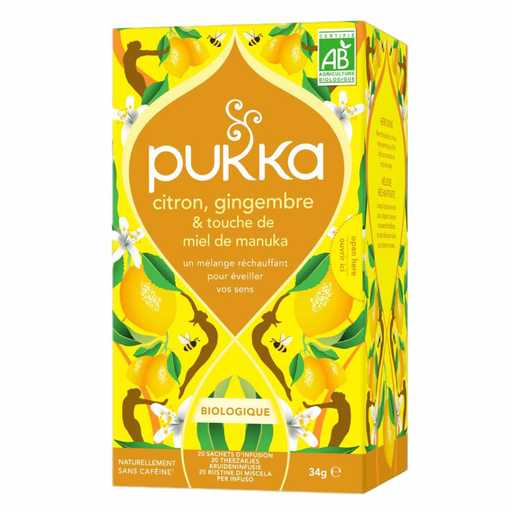 Image unavailable
Worth considering if you’re looking for a blend featuring ginger and lemon in a 20-teabag box.
Check the full ingredients list, including whether it contains liquorice, and follow the brewing instructions on the packaging.
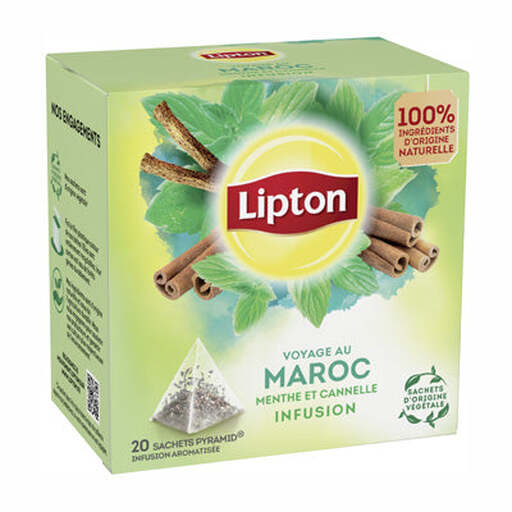 Image unavailable
This 20-teabag product is for anyone who’d like to try a mint and cinnamon blend.
Before making it a regular drink, check whether the ingredients include liquorice.
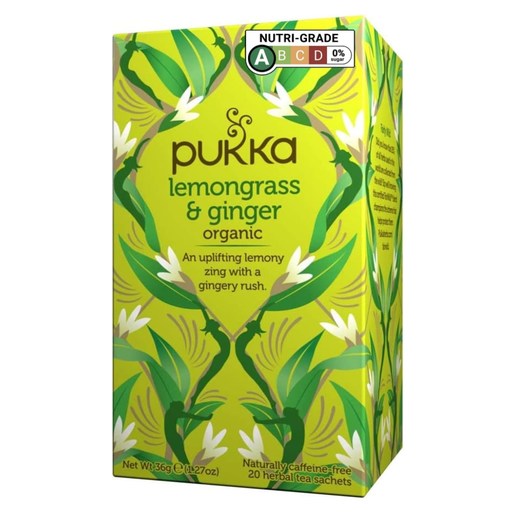 Image unavailable
The name of this 20-teabag infusion combines lemongrass and ginger, for anyone who prefers this profile to a minty blend.
Check the packaging for preparation instructions and to see whether it contains liquorice.
 Image unavailable
This box of 20 tea bags is a good choice if you’re looking for a mint and verbena blend rather than spicy notes.
Follow the brewing time on the packaging when preparing this product.
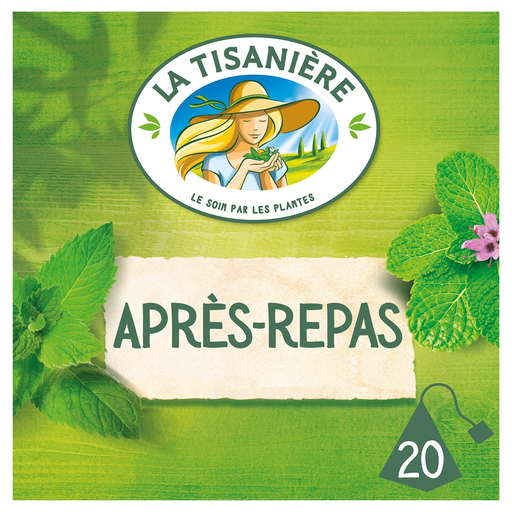 Image unavailable
This 20-teabag product brings aniseed, mint and verbena together in its name. Consider it if you prefer these flavours to citrus.
Check all the ingredients, particularly for liquorice, if you’re planning to drink it regularly.
No. The word alone doesn’t let you compare the intensity of two herbal teas. Look at the ingredients that create the flavour profile you’re after, then prepare each blend according to its packaging instructions.
Don’t take large amounts of liquorice repeatedly lightly: Anses links this to the risk of hypokalaemia and high blood pressure, and flags possible interactions with medicines. If you’re pregnant or breastfeeding, take medication, or have a cardiovascular, kidney or liver condition, ask a healthcare professional for advice before drinking it regularly.
No. A marketing claim doesn’t prove that an individual will experience a particular result. The DGCCRF points out that health claims on food are regulated. When choosing your herbal tea, check the ingredients rather than treating its name as a promise of an effect.
Start with the product name, ingredients list, any highlighted allergens and the net quantity. Also check the preparation instructions for that particular product. The DGCCRF sets out French rules on the legibility of pre-packed food labels.