People who regularly drink herbal tea at the office
If you make cups throughout the week, a supply of around 80 tea bags can help reduce the need to restock. Just make sure you like the recipes enough to use them all.


To get exactly 80 tea bags for office breaks, four boxes of 20 give you control over the quantity. A large assortment is a better choice if variety matters more, as long as you’re happy with a different number of bags and check whether it includes both tea and herbal infusions. If you drink them regularly or take a late break, check the ingredients too: Anses notes that tea and mate can contain caffeine, and warns against high, repeated consumption of liquorice.
If you make cups throughout the week, a supply of around 80 tea bags can help reduce the need to restock. Just make sure you like the recipes enough to use them all.
For several colleagues, the choice is about as much the number of tea bags as the flavours on offer. An assortment may include both tea and herbal infusions, so check what’s in it before choosing one for the whole group.
If the timing of your break or a personal precaution matters to you, read the ingredients and warnings before buying several boxes. Anses draws particular attention to caffeine and to high, repeated consumption of liquorice.
First decide whether 80 tea bags is an exact quantity or simply a guide for building up your supply. Then check each recipe: a herbal infusion and an assortment containing tea may not suit the same purpose.
| Criteria | What to check | Who is it for? |
|---|---|---|
| Number of tea bags | The number shown on each box; four boxes of 20 give you exactly 80 tea bags. | I want to plan for a set number of breaks without buying a larger gift set than I need. Around 36% of consumers would prioritise this quantity. |
| Ingredients | Whether the recipe contains tea, mate or liquorice, and any warnings on the pack; look for an explicit “caffeine-free” claim if needed. | For a late break or regular consumption, I want to know what’s in each tea bag before building up a supply. This would be a priority for around 29% of consumers. |
| Variety to share | The flavours, the number of tea bags per recipe and the distinction between tea and herbal infusions. | In our break area, we’d rather offer a range of flavours that colleagues will actually choose. Around 21% of consumers would put variety first. |
| Restocking | The number of tea bags per product and whether you can find the same recipes again at the shop or through your chosen way of buying. | When the office likes a recipe, I want to be able to top up the supply without changing the whole assortment. This would be the main concern for around 14% of consumers. |
Recipe names such as “detox” or “digestion” aren’t enough to establish a health benefit. The DGCCRF points out that only authorised nutrition and health claims may be used for food products.
Choose a herbal infusion based on its ingredients, flavour and when you plan to drink it, rather than treating it as a remedy.
The product name alone doesn’t tell you what’s in it. According to Anses, caffeine occurs naturally in plants such as tea and mate.
If you want to avoid caffeine, check the ingredients of each recipe and look for an explicit statement on the packaging.
Anses warns that high, repeated consumption of products containing liquorice can lead to hypokalaemia and high blood pressure. This is particularly worth bearing in mind if the same recipe is served regularly at the office.
Look for liquorice in the ingredients list and take any warnings into account. If you have concerns because of your circumstances or any medication you’re taking, ask a healthcare professional for advice.
A mixed gift set may contain more than you’re looking for and include different types of drinks. For example, Coffee-Webstore lists a Lipton gift set of 180 tea bags containing both tea and herbal infusions.
Check the total quantity and the mix of recipes. If 80 is a strict requirement, four boxes of 20 are another option.
Kusmi Tea offers herbal infusions in tea bags, including fruity recipes, as well as loose-leaf options.
Lipton offers herbal infusions and teas, as well as gift sets containing a selection of recipes.
The Carrefour Classic’, Carrefour Sensation and Carrefour Bio ranges include various herbal infusions and flavoured recipes.
Bio Village offers herbal infusions at E.Leclerc in boxes of 20 tea bags, including mint, thyme and verbena recipes.
Auchan Bio is one of the brands offering herbal infusions in tea bags, including verbena and peppermint.
These options include boxes of 20 tea bags, which you can combine in fours to reach 80, and 100-bag packs if you’re happy with a larger supply. The green tea with mint is presented as another drink for a break, not as a herbal infusion made entirely from plants.
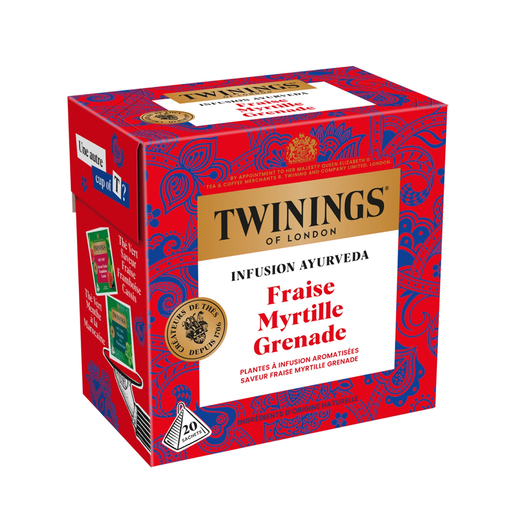 Image unavailable
To get exactly 80 tea bags of this recipe, you’ll need four boxes of 20, and should check that you can get all four. Before making it a regular drink, also check the liquorice listed for this product: Anses warns against high, repeated consumption.
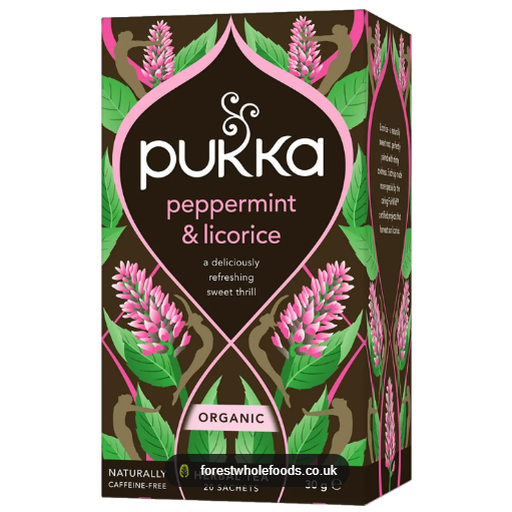 Image unavailable
You can buy four boxes of 20 of this peppermint and liquorice herbal infusion if you want to reach 80 tea bags and that quantity is available. The ingredients listed by Carrefour show 60% peppermint and 40% liquorice root; bear Anses’ warning in mind before planning to consume it in large amounts and repeatedly.
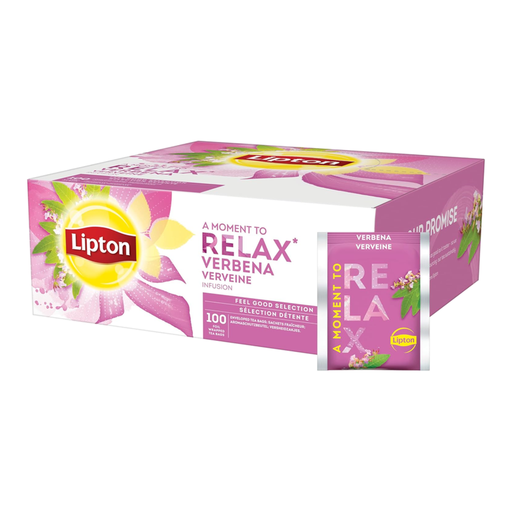 Image unavailable
This gift set is a good option if you’re happy with 100 tea bags rather than exactly 80. If avoiding caffeine is important to you, check the labelling on this product before buying.
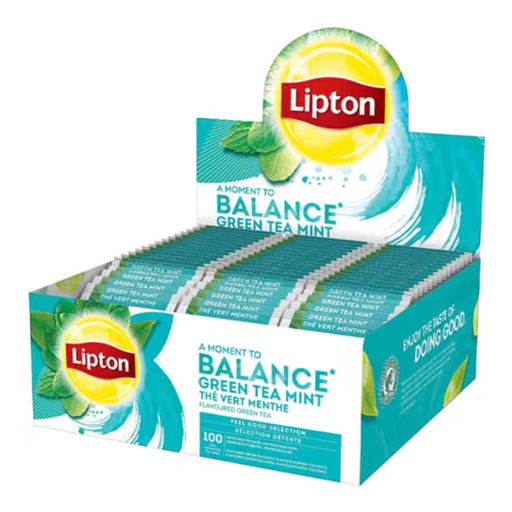 Image unavailable
This option is for anyone who wants green tea with mint and is happy with 100 tea bags rather than 80. It isn’t a herbal infusion made entirely from plants without tea; according to Anses, tea can naturally contain caffeine.
No, not if your aim is simply to get exactly 80 tea bags: four boxes of 20 will also do the job. Carrefour, Auchan, E.Leclerc and Kusmi Tea list products in this format; check the quantity and recipes in each box before putting together your selection.
If you want to avoid caffeine, read the ingredients and look for an explicit “caffeine-free” statement. Anses notes that tea and mate can naturally contain caffeine, so the word “infusion” on its own isn’t enough to tell you.
Before choosing a liquorice recipe for regular consumption, consider how much you’ll drink and check any warnings. Anses highlights the risk of hypokalaemia and high blood pressure with high, repeated consumption. If you have concerns because of your circumstances or any medication you’re taking, ask a healthcare professional for advice.
No: a recipe name doesn’t make a herbal infusion a treatment. The DGCCRF points out that nutrition and health claims for food products are regulated. Choose your drink based on its ingredients and how you plan to use it.
Follow the instructions for the product you’ve bought, as preparation varies by recipe. For its Grand Sud infusion, for example, Lipton recommends 200 ml of water at 100 °C and an infusion time of 4 to 5 minutes; these instructions don’t automatically apply to other products.