Ginger and spice lovers
You’re looking for a cup with a distinctive flavour during a break from work, and want to compare blends that list their ingredients in detail, especially ginger and spices.


For a herbal tea with a distinctive flavour during your lunch break, start by choosing a flavour profile: ginger and spices for a warming kick, or mint and ginger for a fresher cup. The ingredients list and brewing instructions are more useful than the word “strong” on its own. Check separately whether it contains caffeine or liquorice.
You’re looking for a cup with a distinctive flavour during a break from work, and want to compare blends that list their ingredients in detail, especially ginger and spices.
You’d rather have a minty cup with a hint of ginger, without necessarily looking for the spiciest flavour.
You want to distinguish herbal infusions from blends containing tea, matcha or mate, and check for liquorice before drinking them regularly.
To find a cup that suits your lunch break, start with the flavour you’re after, then check the ingredients and brewing instructions for the specific product. The proportion of an ingredient tells you about the recipe, but it doesn’t on its own measure how strong the tea will taste.
| What to consider | What to check | Who it matters to |
|---|---|---|
| Ginger and spices | Compare the ingredients and their stated proportions, then follow the brewing time given for that blend. | If I want a warming cup during my break, I look for a blend centred on ginger or spices rather than relying on an evocative name. Around 33% of consumers rank this flavour profile as their top priority. |
| A refreshing cup after lunch | Check how much mint and ginger the blend contains. | After a meal, I may prefer a minty flavour to a strong ginger taste. This refreshing quality is the main priority for around 27% of consumers. |
| Caffeine | Read the product description and ingredients, particularly to check for tea, matcha, mate or guarana. | If I want to avoid caffeine after lunch, or deliberately choose a drink that contains it, this matters more than the flavour. It’s the top priority for around 20% of consumers. |
| Liquorice and other ingredients | Check the ingredients and pack information for the variant you’re buying, particularly if you plan to drink it often. | If an ingredient could be relevant to me, I’d rather know what’s in the blend before choosing a box. Around 20% of consumers make this their main priority. |
To compare two ginger blends, the TWININGS France and Carrefour France product information lists 35% ginger in Gingembre Miel Citron and 15% in Curcuma Gingembre Bio, respectively. These proportions tell you about the ingredients in each blend, not how strong they taste when brewed under the same conditions. For TWININGS’ mint, lemon, fig and ginger blend, the brand lists 47% peppermint and 9% ginger.
A spicy blend and a blend containing tea meet two different needs. The European Food Safety Authority notes that caffeine occurs naturally in tea leaves, so a herbal tea’s full-bodied flavour doesn’t mean it contains caffeine.
Decide whether flavour or caffeine content matters most to you, then check the ingredients of the product you’ve chosen.
Liquorice can also be found in some ginger, mint and spice blends. According to Anses, consuming large amounts of products containing liquorice repeatedly can lead to hypokalaemia and high blood pressure.
Check the ingredients in every blend, especially if you plan to drink it often. If you’re pregnant, have high blood pressure or take relevant medication, ask a healthcare professional for advice.
Two herbal teas described as “ginger and lemon” may differ in their ginger content, other botanicals and brewing instructions.
Compare the ingredients, format and brewing instructions for the specific variants rather than relying on their names alone.
The blends reviewed include a ginger, honey and lemon option and a predominantly minty blend, catering to two distinct flavour preferences.
Curcuma Gingembre Bio gives you the chance to compare a blend of herbs and spices with one that focuses more on ginger.
A liquorice and mint blend found in the herbal tea aisle may suit you if you’re looking for minty, liquorice flavours, but that doesn’t mean it will make a stronger-tasting cup.
These options include ginger and lemon blends, as well as a mint and cinnamon infusion. Choose based on the flavours listed, and check the ingredients of each variant if caffeine, liquorice or allergens could affect your decision.
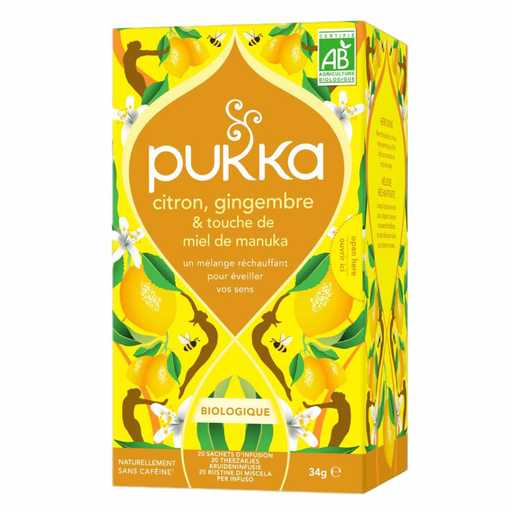 Image unavailable
Worth considering if you’re looking for a ginger and lemon herbal tea for your lunch break.
Box of 20 tea bags. If you want to avoid liquorice, check the ingredients for this variant before buying.
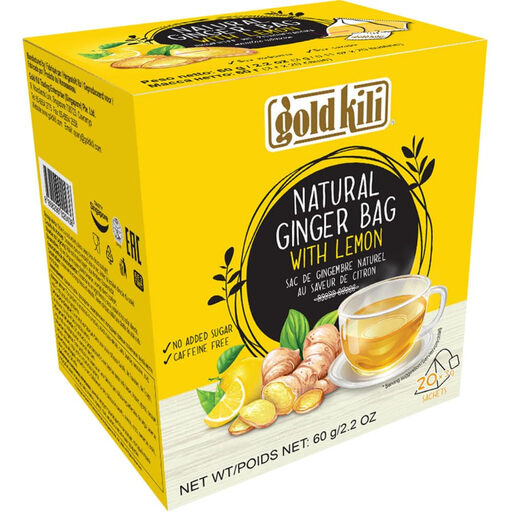 Image unavailable
This ginger and lemon infusion is a good match if you’re looking for both flavours during your lunch break.
60 g pack. Check the brewing instructions and, if you have any food allergies, read the allergen information on the packaging.
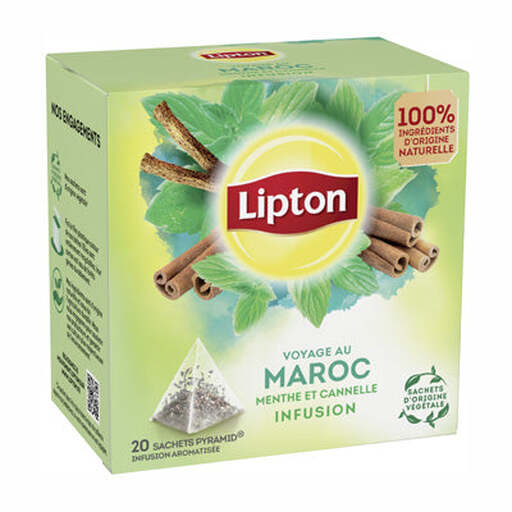 Image unavailable
Worth considering if you prefer mint and cinnamon flavours to an infusion named after ginger.
Box of 20 tea bags. Check the ingredients list for liquorice and any ingredients that may contain caffeine.
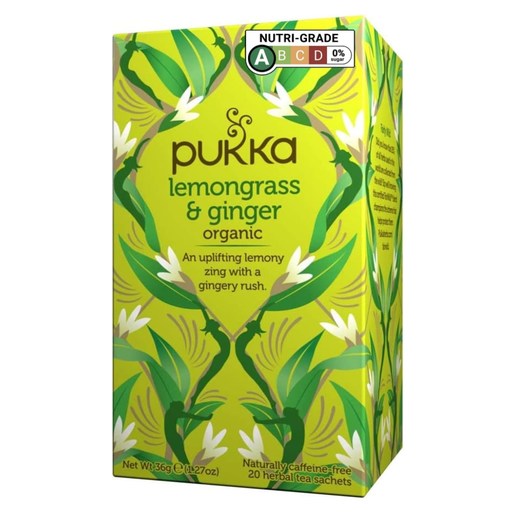 Image unavailable
This blend combines lemongrass and ginger if you’re looking for both flavours for your break.
Box of 20 tea bags. Check the proportions and brewing instructions on the pack if you’re looking for a strong ginger flavour. Also check the ingredients for liquorice and caffeine.
Compare the ingredients, their proportions where listed, and the brewing instructions rather than relying on the word “strong”. For example, TWININGS France lists 35% ginger in Gingembre Miel Citron, while Carrefour France lists 15% in Curcuma Gingembre Bio. These figures describe different blends and don’t guarantee which one you’ll find more intense.
No. Flavour intensity and caffeine content are two separate things. The European Food Safety Authority says tea leaves naturally contain caffeine, so check the ingredients of the specific blend, especially if it lists tea, matcha or mate.
Consider how often you plan to drink it and your personal circumstances. Anses links high, repeated consumption of products containing liquorice with the risk of hypokalaemia and high blood pressure. If you’re pregnant, have high blood pressure or take relevant medication, ask a healthcare professional for advice.
Check the information for the exact variant, then read the packaging before drinking it. For prepacked food sold in France, the Directorate General for Competition Policy, Consumer Affairs and Fraud Control says allergenic ingredients must be highlighted on the label.