For a drink after lunch, choose a herbal tea with ingredients that match the flavours you enjoy: mint, aniseed, simple herbal blends, or fruit and spices. If you want to avoid caffeine, check the ingredients rather than relying on the word ‘herbal tea’ alone. If you plan to drink it regularly, pay attention to liquorice too, and don’t take a name such as ‘digestion’ as a promise of results.
Who is this choice for?
People who want to extend their post-meal break
If enjoying your cuppa is what matters most, start with flavours you already like: refreshing mint, aniseed notes or a fruity blend. Twinings, for example, offers a post-meal blend of mint, fig, lemon and ginger; this description does not demonstrate an effect on digestion.
People keeping an eye on caffeine
If you’d rather avoid caffeine in the afternoon, read the ingredients before choosing. The Anses points out that tea and guarana naturally contain caffeine, so the word ‘herbal tea’ isn’t enough to tell you either way.
People planning to enjoy a regular cuppa
For an easy habit to stick to, check the ingredients, the number of tea bags and the preparation instructions. The products shown by Carrefour and E.Leclerc have different recipes and pack sizes, so compare the details on each pack.
What should you look for?
Start with the flavour you fancy after a meal, then check the ingredients that could affect your decision, particularly sources of caffeine and liquorice.
| Criteria | What to check | Who is it for? |
|---|
| Flavour profile |
Look for the main herbs and flavours: mint and ginger, aniseed and fennel, verbena, or fruit and spices. |
I want to look forward to taking a proper break after lunch, without choosing a flavour just because of its name. Around 31% of consumers are said to put taste first. |
| Caffeine |
If you want to avoid it, check the ingredients for tea, maté or guarana in particular. |
I don’t want an afternoon cuppa to give me caffeine without my realising. This is said to be a priority for around 23% of consumers. |
| Everyday format |
Compare the number of tea bags, net weight and preparation instructions to suit the way you drink herbal tea. |
I’d like to be able to make the same drink easily during my working-from-home days. For around 31% of consumers, an easy routine is said to be the main need. |
| Ingredients and claims |
Read the ingredients, warnings and instructions for use; don’t assume a recipe name means it has a medical effect. |
Before making it a habit, I want to know whether the blend contains liquorice and what its description really means. Around 15% of consumers are said to prioritise this check. |
Things to bear in mind
-
Assuming all herbal tea is caffeine-free
Tea naturally contains caffeine. The Anses says it can disrupt the process of falling asleep and affect sleep.
If you want to avoid caffeine, check the ingredients rather than relying on the drink’s name.
-
Taking ‘digestion’ or ‘detox’ to mean it’s a treatment
A product range name doesn’t prove that a herbal tea will treat discomfort. The DGCCRF points out that health claims on food are regulated.
Choose based on the ingredients and flavour; if you have a persistent or worrying symptom, seek medical advice.
-
Overlooking liquorice in the blend
Liquorice is used in some minty or aniseed blends. The Anses warns of risks, including high blood pressure and low blood potassium, if it is consumed in large amounts repeatedly.
Check the ingredients before drinking it often, and ask a healthcare professional for advice if your circumstances or medication mean you need to take particular care.
Herbal tea brands to consider
Twinings
Twinings offers a post-meal herbal tea made with peppermint, turmeric, liquorice, ginger, fig and lemon.
- The ingredients and preparation instructions can help you choose a flavour to suit you.
- ‘Digestion’ describes how the product is positioned, not an established therapeutic effect; check for liquorice too.
Carrefour Bio
Carrefour’s ‘Digestion Légère Bio’ herbal tea combines star anise, aniseed, fennel and liquorice, in a box of 20 tea bags weighing 30 g.
- The ingredients list lets you identify a blend with aniseed notes.
- It’s worth checking for liquorice if you plan to drink this herbal tea often.
Tiséa et Bio Village chez E.Leclerc
E.Leclerc offers herbal teas in these ranges, including verbena, camomile, verbena and mint, red berries, and apple and cinnamon.
- These blends offer a choice of flavour profiles, depending on the herbs and fruit listed.
- Check the ingredients, flavourings and any warnings on the specific product you choose.
Herbal teas for your lunch break
These herbal teas suit a range of tastes for a work-from-home break: minty or aniseed blends, a two-herb recipe and a cold-brew option. Choose the flavour and preparation method that suit you, then check the label if caffeine or liquorice is a concern.
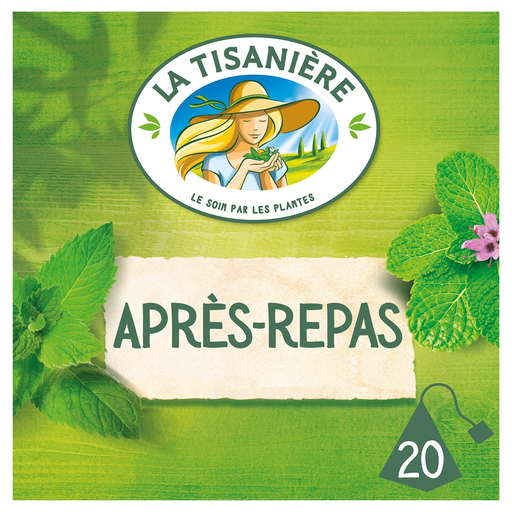 Image unavailable
LA TISANIERE Aniseed, Mint and Verbena, 20 tea bags
Worth considering if you enjoy minty and aniseed notes after a meal.
If you plan to drink it regularly, check the amount of liquorice in the ingredients and bear in mind the precautions highlighted by the Anses.
View on Joybuy
 Image unavailable
Pukka Organic Digestion, 40 g herbal tea
This blend is for people who prefer aniseed and spicy notes. ‘Digestion’ is part of its name and does not guarantee an effect.
Before drinking it regularly, check for liquorice and read the instructions on the pack.
View on Joybuy
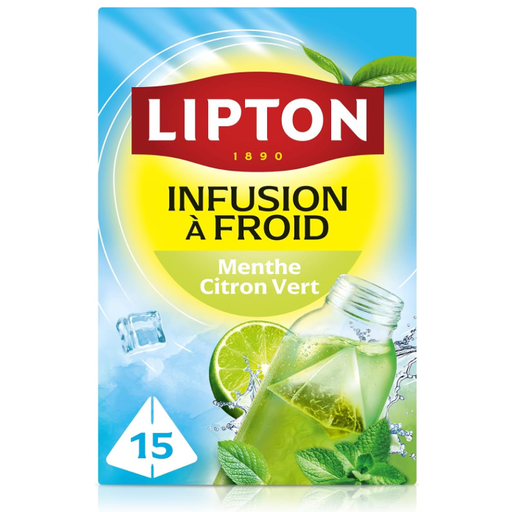 Image unavailable
LIPTON Cold Infuse Mint & Lime, 15 tea bags
Choose this if you’d prefer a cold mint and lime drink to a hot cuppa after lunch.
Follow the cold-brew preparation instructions on the pack.
View on Joybuy
 Image unavailable
ELEPHANT Organic Verbena Mint, 20 tea bags
The verbena and mint pairing is a good choice if you want a blend with two clearly named herbs.
If avoiding caffeine is important to you, check the ingredients and label on the pack.
View on Joybuy
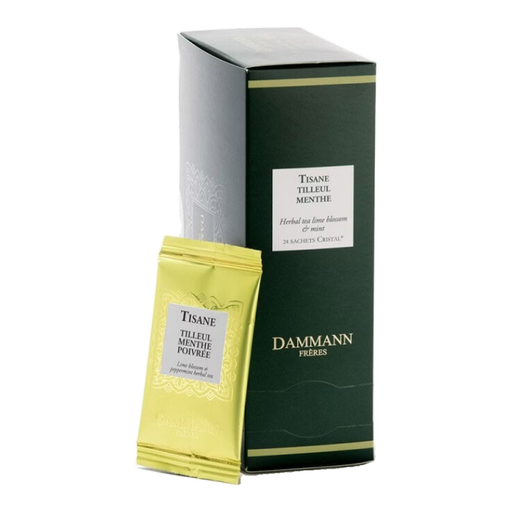 Image unavailable
DAMMANN Limeflower & Spearmint, 24 tea bags, 48 g
This combination of limeflower and spearmint is for people who prefer a blend made with two herbs.
Check the preparation instructions on the pack and, if needed, the information about caffeine.
View on Joybuy
Frequently asked questions
Is herbal tea always caffeine-free?
No. A blend containing tea can provide caffeine, as the Anses points out. If you want to avoid it after lunch, check the ingredients list for tea, maté and guarana too.
Can ‘digestion’ herbal tea treat discomfort?
Don’t choose it as a treatment for discomfort. The DGCCRF points out that health claims on food are regulated; a recipe name alone does not prove an effect. To choose your drink, look at its ingredients and instructions for use instead.
Why check whether herbal tea contains liquorice?
According to the Anses, consuming large amounts of liquorice repeatedly can pose risks, including high blood pressure and low blood potassium. If you plan to drink this blend often, or if you have concerns about your health or medication, ask a healthcare professional for advice.
How do you make a tea bag herbal tea after lunch?
Follow the instructions for the blend you’ve chosen: the amount of water and brewing time can vary from one product to another. For example, Twinings recommends five minutes for its mint, fig, lemon and ginger herbal tea; check your pack before making a cuppa.


