To choose a herbal tea with fair trade in mind, look for evidence that applies to the exact blend: a Fairtrade/Max Havelaar label on the packaging, or Fair for Life certification that lets you check which ingredients are covered. Then compare the ingredients and brewing instructions. If you drink it regularly, pay particular attention to liquorice, as Anses advises against high, repeated consumption.
Who is this guide for?
Shoppers looking for proof of fair trade
You want to identify the label on the herbal tea you choose and, for a blend, find out which ingredients it covers. Fairtrade/Max Havelaar France recommends checking the back of packaging bearing its arrow logo in particular.
Fans of blends for a caffeine-free break
You compare blends by their ingredients and preparation instructions, and check whether the specific product you’re interested in is labelled caffeine-free, rather than relying on the brand’s reputation alone.
Consumers keeping an eye on liquorice
You check for this ingredient before making herbal tea a regular drink. Anses warns against high, repeated consumption of products containing liquorice, particularly for some people who may be more sensitive to it.
Which criteria should you check?
Start by checking the fair trade evidence for the specific blend, then compare blends based on their ingredients and how you plan to enjoy them. Fairtrade/Max Havelaar and Fair for Life are separate schemes, so their claims shouldn’t be treated as though they were the same label.
| Criterion |
What to check |
Who is it for? |
| Fair trade evidence |
The label on the exact product and, for a blend, the ingredients or proportion it covers. If the Fairtrade/Max Havelaar label has an arrow, check the details on the back. |
When buying premium products, I want to know which ingredients are covered by fair trade rather than relying on a brand’s general claim; around 42% of consumers would make this their priority. |
| Blend and preparation |
The ingredients list, any caffeine-free claim and the brewing instructions for the box you choose. |
If I’m planning a caffeine-free break, the blend and how I prepare it matter just as much as its label; around 33% of consumers would put how well it matches their preferences first. |
| Liquorice content |
Check the ingredients list for liquorice, especially if you plan to drink the blend often or need to take your personal circumstances into account. |
Before making a herbal tea part of my regular routine, I need to know whether it contains liquorice; around 25% of consumers would put this check ahead of other criteria. |
Common misconceptions to avoid
-
Assuming ‘organic’, Rainforest Alliance and Fairtrade mean the same thing
Organic refers to how agricultural products are grown; it doesn’t, by itself, prove that a herbal tea is fair trade. The Rainforest Alliance certification that Lipton states applies to its black and green teas is not a Fairtrade/Max Havelaar label for its herbal infusions either.
If fair trade is a deciding factor in your purchase, look for certification that applies to the specific herbal tea and read the information about which ingredients in the blend are covered.
-
Choosing liquorice herbal tea without considering how often you’ll drink it
According to Anses, high, repeated consumption of foods or drinks containing liquorice can lead to high blood pressure or low blood potassium, among other effects.
Check the ingredients before drinking it frequently. If your circumstances or medication mean you need to take extra care, seek appropriate professional advice.
-
Assuming a blend’s qualities based on the brand name alone
Ingredients and the scope of a certification can vary from one blend to another. Three Carrefour France product pages state that the proportion of ingredients checked under Fair for Life is 24.5% for Pukka Enchanted Night, 44.5% for Digestion and 80% for Red Berry Detox; these figures measure neither taste nor nutritional quality.
Compare the product page or box for each blend to check its label, ingredients and preparation instructions.
Brands to consider by blend
Pukka
Worth exploring if you’re looking for organic blends and want to check the scope of a fair trade certification. Pukka states that all its teas are Fair for Life certified; some Carrefour France product pages specify the proportion of ingredients checked for a particular blend.
- The product pages for Enchanted Night, Digestion and Red Berry Detox let you compare their ingredients and the stated Fair for Life proportions.
- These proportions vary by blend. Several of these blends contain liquorice, so check the ingredients before drinking them regularly.
Lipton
A brand to consider when choosing a particular type of tea or herbal infusion and how you plan to prepare it.
- Lipton’s range includes teas and herbal infusions for different occasions.
- Lipton states that its black and green teas are Rainforest Alliance certified; this doesn’t mean that a Lipton herbal infusion has a Fairtrade label. Check the specific product.
Twinings
A brand to browse if you want to start by choosing a blend and its ingredients; Twinings France offers a variety of teas and herbal infusions.
- You can compare blends by their ingredients and the flavour profile you’re looking for.
- The range’s variety doesn’t prove that a particular Twinings herbal tea carries a fair trade label. Check the box you choose.
Pukka herbal teas to explore on Joybuy
These Pukka products give you a specific blend and format to start with. If fair trade is the reason you’re buying, check the certification that applies and the ingredients it covers on each box; Pukka’s general statement about Fair for Life doesn’t replace checking the packaging.
 Image unavailable
Pukka Organic Gingers Herbal Tea, 36 g
Worth exploring if you’re looking for a ginger herbal tea. To compare its fair trade credentials with those of another blend, check which ingredients are covered on the box. Also look for liquorice if you plan to drink it regularly.
View on Joybuy
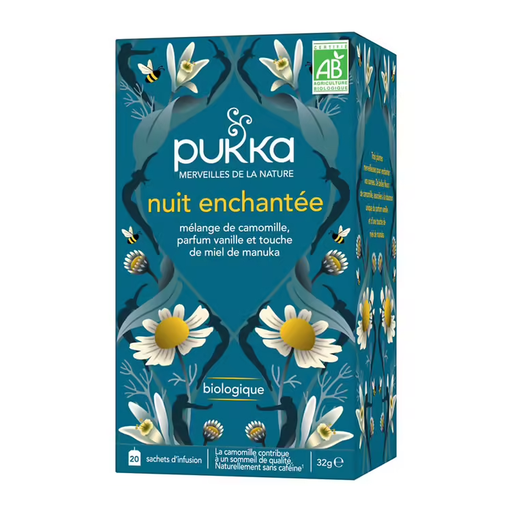 Image unavailable
Pukka Enchanted Night Organic Herbal Tea, 32 g
Worth exploring for a blend intended for an evening break. Before choosing it for its fair trade credentials, check the label on the packaging and which ingredients it covers. Also read the ingredients list if you’re keeping an eye on liquorice.
View on Joybuy
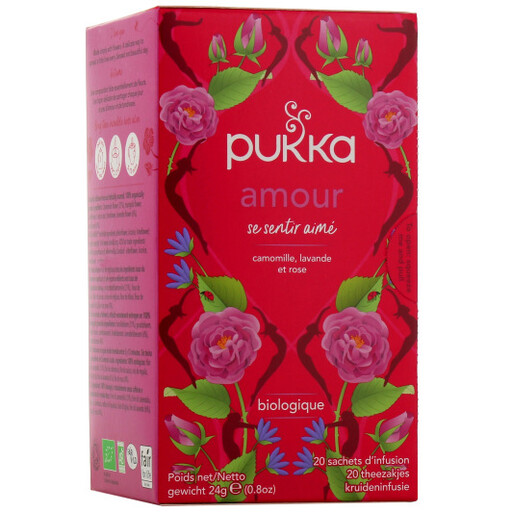 Image unavailable
Pukka Infusion Amour Bio, 24 g
Worth exploring if you prefer a floral blend. Compare the flowers listed in the ingredients, then check the box to see what any fair trade claim covers and whether the blend contains liquorice.
View on Joybuy
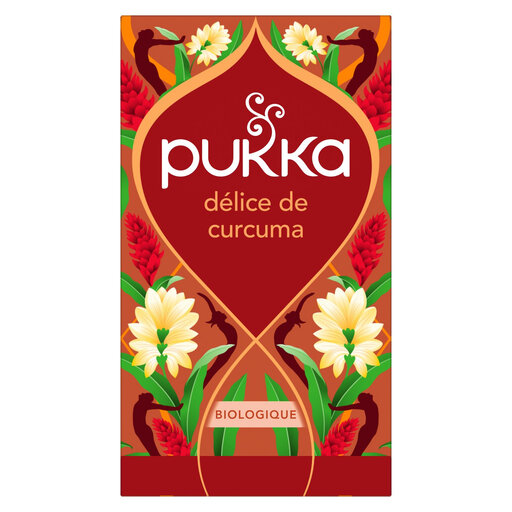 Image unavailable
Pukka Turmeric Delight Organic Tisane, 36 g
Worth exploring if you’re looking for a turmeric blend. Don’t confuse FairWild, Fair for Life and Fairtrade claims: check the packaging to see which ingredients each one applies to, as well as the full ingredients list.
View on Joybuy
 Image unavailable
Pukka Organic Digestion Herbal Tea, 40 g
Worth exploring if you enjoy aniseed and fennel blends, but don’t assume the name means it will aid digestion. Check for liquorice before drinking it regularly, and distinguish the FairWild information on the box from the details about Fair for Life.
View on Joybuy
Frequently asked questions
How can you check whether a herbal tea is fair trade?
Look for certification that applies to the exact blend, then check what it covers. Fairtrade/Max Havelaar France explains that when a label with an arrow appears on a composite product, the back of the packaging provides information about the ingredients and their traceability. Don’t infer certification from the brand name alone.
Is an organic herbal tea automatically fair trade?
No. An organic claim alone isn’t proof of fair trade. The Directorate General for Competition Policy, Consumer Affairs and Fraud Control explains that organic certification meets European requirements for agricultural production; check separately for fair trade certification that applies to the blend.
What should you check if a herbal tea contains liquorice?
Consider how often you plan to drink it and whether you consume liquorice from other sources. Anses warns that high, repeated consumption can lead to high blood pressure or low blood potassium, among other effects. If your circumstances or medication put you at particular risk, seek appropriate professional advice.
How long should you brew Pukka Enchanted Night, Digestion and Red Berry Detox?
The Carrefour France product pages for these three blends recommend brewing them in freshly boiled water for 5 to 15 minutes. Follow the instructions on the box you buy rather than applying this brewing time to every Pukka blend.


