Holidaymakers without tea-making equipment
If your holiday kitchen doesn’t have a strainer or measuring spoon, a tea bag lets you make a cup without handling loose-leaf tea.


For a short stay in a kitchen with limited equipment, tea bags mean you won’t need to bring a measure or a strainer. An assortment caters for different tastes, while a jar is mainly useful for loose-leaf tea or keeping a shared cupboard organised. If the tea will come into direct contact with the jar, choose a container intended for food and follow its instructions for use.
If your holiday kitchen doesn’t have a strainer or measuring spoon, a tea bag lets you make a cup without handling loose-leaf tea.
When you don’t know what the guests prefer, a selection of clearly labelled blends lets everyone choose their own drink, without making assumptions about their dietary needs.
If you’re genuinely bringing loose-leaf tea, a reusable food-safe jar can help you store it. You’ll also need something to measure and strain the tea.
First decide whether you’ll be making tea with bags or loose leaves: a jar doesn’t replace the equipment needed for loose-leaf tea. Then choose the number of tea bags and flavours to suit the number of guests and the length of your stay.
| What to consider | What to check | Who is it for? |
|---|---|---|
| Easy to make without equipment | Tea bags and the preparation instructions on the box. | When I don’t know what equipment the kitchen has, I want to be able to make a cup without a measure or strainer. Around 42% of consumers put this first. |
| Choice of flavours | The blends on offer and the number of tea bags in each box, considered against the length of the stay. | When several people are sharing the holiday let, I prefer to offer different flavours without buying so many boxes that some are left open and unused. Around 33% of consumers put this first. |
| Storing tea in a jar | Whether the container is suitable for food, its instructions for use and the tea’s storage instructions. | If I’m bringing loose-leaf tea or reorganising a shared cupboard, I want a suitable container rather than a decorative jar. Storage is the top priority for around 25% of consumers. |
A decorative jar isn’t necessarily intended for direct contact with food. The DGCCRF recommends using containers designed for food storage and following their instructions for use.
Check what the container is intended for, then wash and dry it before adding tea.
An assortment can work well for a group, but a large quantity may go unused on a short break.
Estimate how many cups your guests are likely to make, and only choose a wider range of flavours if their preferences call for it.
Some Auchan products advise storing them away from heat and moisture. A sealed jar doesn’t mean you can ignore the product’s own storage instructions.
Check the packaging and choose a dry spot away from steam and the hob.
The label on Tisèa liquorice and mint tea says that people with high blood pressure should avoid excessive consumption. This warning applies to this blend, not to all herbal teas.
Before offering a blend in a shared holiday let, make sure guests can read its ingredients and any warnings.
Twinings France offers a range of tea and herbal tea varieties, including flavoured blends.
The Lipton products featured below are tea bags, including one blend for cold brewing.
Carrefour offers, among other products, an organic Sleep herbal tea in a box of 20 tea bags, weighing 30 g.
Auchan offers, among other products, an organic Relax herbal tea in a box of 20 tea bags, weighing 30 g.
E.Leclerc offers Tisèa herbal teas in boxes of 20 or 25 tea bags, including a liquorice and mint blend with 25 tea bags weighing 40 g.
These tea bags are ideal if you want a brew that doesn’t involve measuring loose-leaf tea. Some are made for cold brewing; if you’d like to store loose-leaf tea in the cupboard, choose a suitable food-safe container separately.
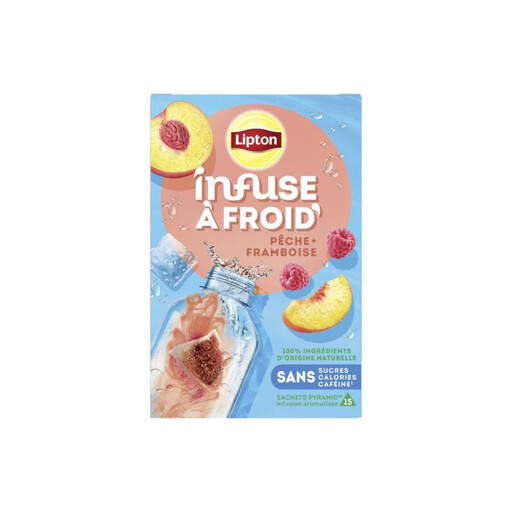 Image unavailable
For guests who want to make a cold herbal tea without measuring loose-leaf tea. The pack contains 15 tea bags; check the preparation and storage instructions on the packaging.
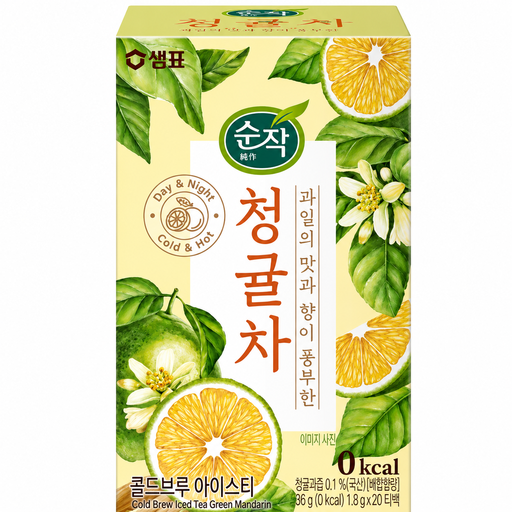 Image unavailable
A tea-bag option for anyone looking for a lime cold brew. The pack contains 20 tea bags and weighs 36 g; follow the preparation instructions on the packaging.
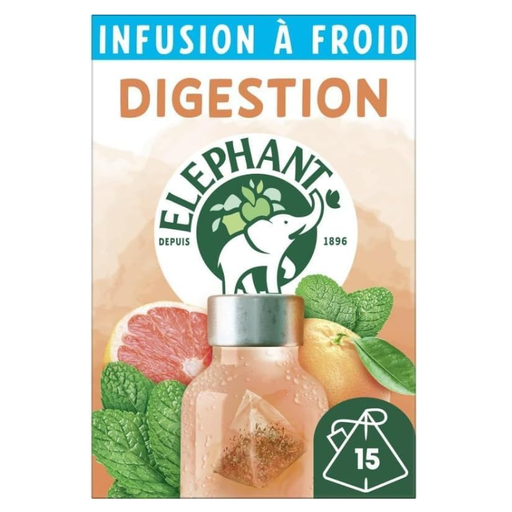 Image unavailable
Make a cold brew with tea bags, with no strainer needed. The pack contains 15 tea bags; “Digestion” is part of the product name and doesn’t guarantee any particular effect.
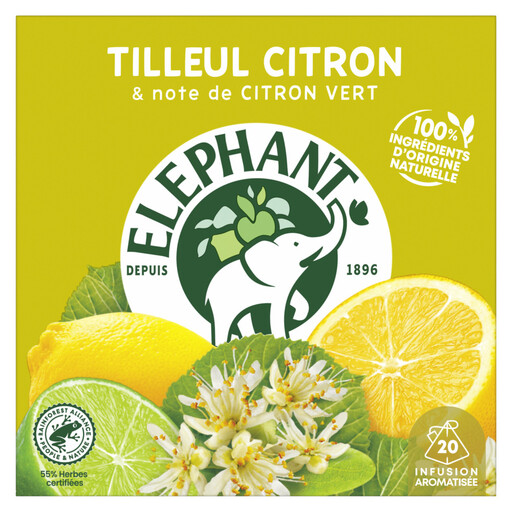 Image unavailable
A tea-bag option for anyone who prefers lime blossom and lemon herbal tea without preparing loose leaves. The pack contains 20 tea bags and weighs 28 g; check the packaging for preparation instructions.
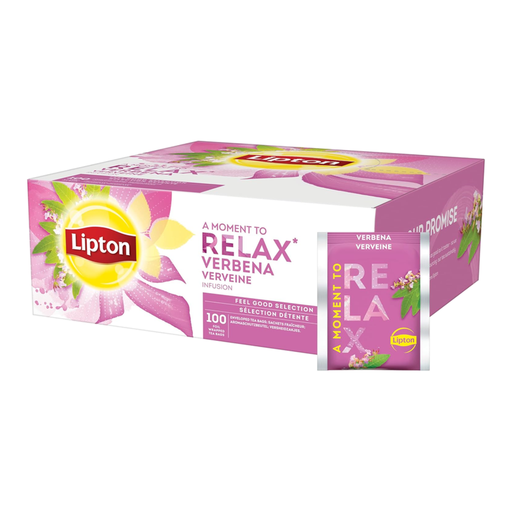 Image unavailable
Worth considering if several guests regularly enjoy verbena tea. 100 tea bags may be more than one or two people need for a few days, so compare this pack size with the length of your stay.
No. You can keep tea bags in their original box as long as you follow the storage instructions. A jar is mainly useful for storing loose-leaf tea or keeping a cupboard organised over time; some herbal teas need to be stored away from heat and moisture.
Choose a container designed for food storage and follow its instructions for use. The DGCCRF recommends this precaution for containers that come into contact with food. Make sure the jar is clean and dry, and have the equipment you need to measure and strain loose-leaf tea.
Yes, as long as the jar is reusable, suitable for food contact under the intended conditions, clean and dry. First decide whether you want to store loose-leaf tea or tea bags in it: this affects how much space you’ll need and, for loose-leaf tea, what equipment to bring.
The Tisèa liquorice and mint blend carries a warning that people with high blood pressure should avoid excessive consumption. This applies to this product: read the ingredients and warnings on each box before offering it in a shared holiday let.