Fans of bold flavours
If you want a cup with flavours that stand out among the aromas of a Christmas market, compare the dominant herbs and the brewing advice. A label saying ‘extra strong’ is no substitute for this information.


To serve a full-flavoured herbal tea at a Christmas market, first choose a clearly identifiable herbal profile, then check the ingredients and brewing instructions. A short ingredient list makes it easier to see what’s in the blend. A recipe containing liquorice calls for extra care if the drink will be served regularly to a varied group of people. The term ‘wellness’ tells you neither how strong the flavour is nor whether the drink has any medical benefits.
If you want a cup with flavours that stand out among the aromas of a Christmas market, compare the dominant herbs and the brewing advice. A label saying ‘extra strong’ is no substitute for this information.
To know what you’re serving, check the list of herbs, their proportions if these are shown on the packaging, and whether any flavourings have been added. A short ingredient list can make this easier.
If the drink may be consumed often or offered to people with different needs, check whether the recipe contains liquorice before choosing it. Anses advises caution around high, repeated consumption, particularly for some more sensitive groups and when taking medication.
For a drink to serve at a Christmas market, start with the flavour you’re looking for, then check that the ingredients and preparation suit the people who will be drinking it.
| Criterion | What to check | Who is it for? |
|---|---|---|
| Bold flavour | Dominant herbs, stated proportions and brewing method. | Among all the flavours at the market, I want to be able to recognise the drink’s taste clearly; around 50% of consumers would put this aromatic intensity first. |
| Clear ingredients | Ingredient list, any flavourings and a format suited to how you plan to serve it. | Before serving several cups, I’d rather know exactly which herbs the recipe contains; around 30% of consumers would make this clarity their priority. |
| Precautions for use | Whether it contains liquorice, any packaging warnings and how often you plan to serve it. | If I’m offering herbal tea to people with different needs, I want to be able to take account of the precautions associated with liquorice; nearly 20% of consumers would prioritise this. |
These words don’t describe the flavour and aren’t enough to establish a therapeutic effect. The DGCCRF reminds consumers that health claims on food are regulated.
Choose a herbal tea based on its ingredients and the flavour you’re looking for, rather than presenting it as a remedy.
According to Anses, high, repeated consumption of liquorice can lead to low blood potassium and high blood pressure. Some groups and medications call for particular care.
Read the ingredient list before buying, and consider a liquorice-free option if you’ll be serving a varied group of people.
Two herbal teas marketed as ‘wellness’ blends can have very different ingredients. Pagès, for example, offers a mint-only recipe as well as a blend of liquorice, mint and fennel.
Compare the ingredients and brewing instructions rather than judging the flavour by the recipe name alone.
The brand offers single-herb teas and blends, making it easy to compare recipes with different levels of complexity.
The retailer offers herbal teas including chamomile, verbena and mint, as well as fruit blends.
The brand offers blends of several herbs, including recipes called ‘liver wellness’ and ‘detox’.
These options offer several flavour profiles to consider for a Christmas market: ginger, mint and spices, mint and verbena, citrus rooibos, or mint and liquorice. If you’re choosing a drink to serve hot, check the ingredients and brewing instructions on each pack.
 Image unavailable
Worth considering if you’re looking for a ginger blend rather than a minty flavour. The pack contains 36 g; check the ingredient list, including whether it contains liquorice, before serving it repeatedly.
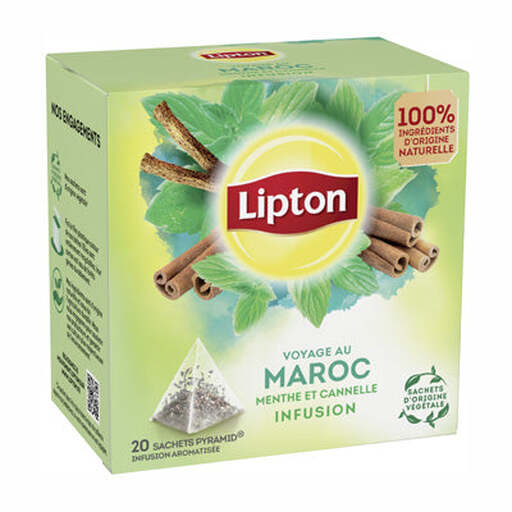 Image unavailable
For anyone who prefers notes of cinnamon and mint to a single-herb recipe. The pack contains 20 tea bags; if you’ll be serving several cups to the same people, check the packaging to see whether it contains liquorice.
 Image unavailable
An option if you’d like to serve a clear mint and verbena flavour. The pack contains 20 tea bags; follow the instructions on the packaging for brewing time and temperature.
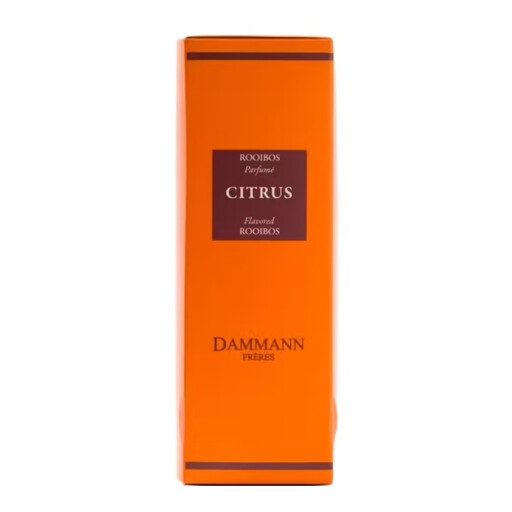 Image unavailable
Consider this if you’d like a rooibos with citrus notes rather than a tea dominated by mint or ginger. The stated pack size is 24 tea bags, weighing 48 g; check the packaging for the ingredients and brewing instructions.
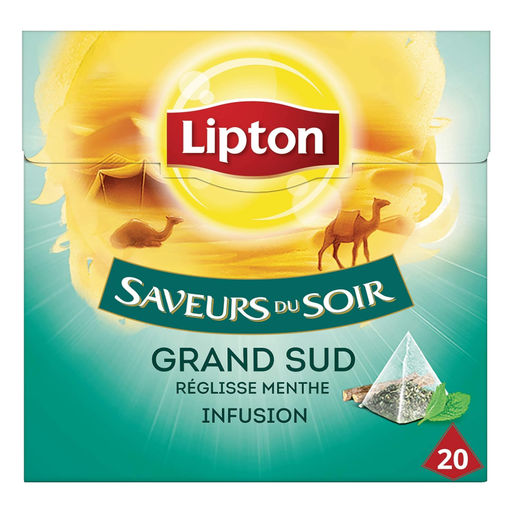 Image unavailable
Worth considering if you’re looking for mint and liquorice flavours. The pack contains 20 tea bags; before choosing this product for repeated hot servings, check the brewing method on the packaging and take account of the precautions about liquorice highlighted by Anses.
No. A stronger flavour doesn’t prove that a drink has health benefits. The DGCCRF reminds consumers that health claims on food are regulated. Choose a herbal tea for its ingredients and flavour, not as a treatment.
Start by following the manufacturer’s recommended amount and brewing instructions, then compare the dominant herbs in each recipe. As an example for this particular product, Pagès recommends brewing its Menthe Bio Française for 3 to 5 minutes at 90 °C. Brewing it for longer won’t guarantee the flavour you want or any health benefits.
It’s particularly important to check for liquorice if the herbal tea may be consumed often, especially by children, pregnant or breastfeeding people, or anyone with cardiovascular, kidney or liver conditions. Anses also highlights possible interactions with some medicines. If you have any concerns about your circumstances or medication, ask a healthcare professional for advice.
No, not necessarily. The DGCCRF states that herbal and fruit infusions are among the products that may be exempt from providing a nutrition declaration. Even so, check the ingredients, warnings and brewing instructions when choosing a recipe.