What should you check?
For an evening drink in a care home, start by distinguishing tea from herbal infusions, then check the ingredients and individual care instructions before choosing a product to serve.
| Criterion |
What to check |
Who is it for? |
| Caffeine in the evening |
The ingredients list and, where stated on the product, the wording ‘caffeine-free’ or ‘tea-free’. |
If I want to avoid tea with the evening meal, the drink’s name alone is not enough to help me choose. Around 36% of consumers would prioritise avoiding stimulants. |
| Ingredients and individual care instructions |
The herbs included, particularly liquorice, and any instructions from the care team or pharmacist for the resident concerned. |
If a drink is offered regularly to a resident taking medication, I need to be able to identify its ingredients before serving it. Around 29% of consumers would prioritise individual suitability. |
| Whether the resident will enjoy the drink |
The resident’s preferred flavour and how the drink should be served if they have difficulty drinking or swallowing. |
A herbal tea the resident does not enjoy does not meet my need to offer them a drink they will accept. Around 21% of consumers would put personal preferences and suitable serving arrangements first. |
| Supply |
The ingredients in the product available, the number of tea bags and the preparation instructions on the packaging. |
To organise regular service, I need to be able to identify the same recipe and have a suitable pack size available. Around 14% of consumers would prioritise ease of supply. |
Herbal infusions available on Joybuy
These products are herbal infusions in tea bags that you could consider for an evening drink. Their names and pack sizes help you tell them apart. Before serving, check the ingredients, preparation instructions and the resident’s individual care instructions on the product you receive.
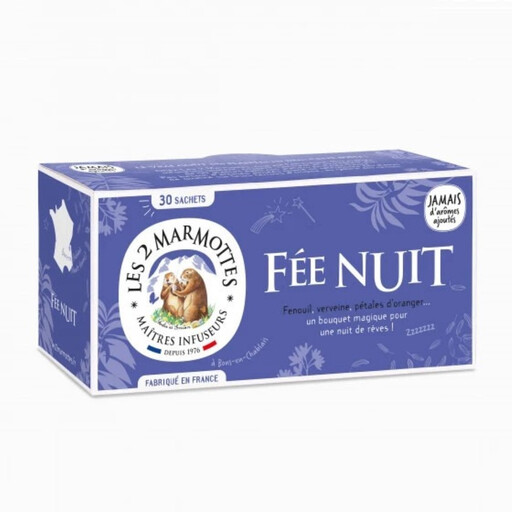 Image unavailable
Les 2 Marmottes Fée Nuit Herbal Infusion, 50 g
Worth considering if you are looking for a herbal infusion for the evening meal. Check the list of herbs and preparation method on the packaging before adding it to your service.
View on Joybuy
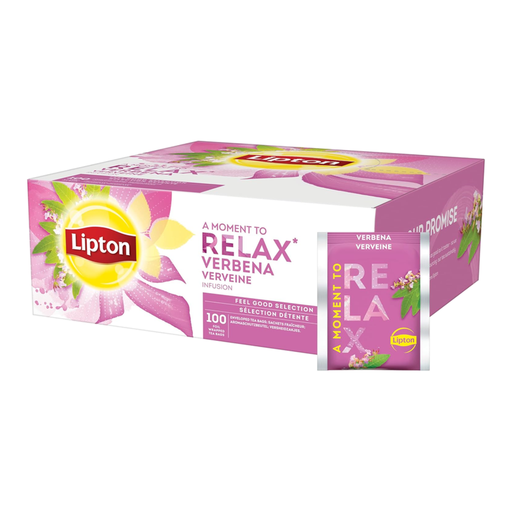 Image unavailable
Lipton Verbena Herbal Infusion, pack of 100 tea bags
Verbena is one option to consider if you are looking for a herbal infusion for the evening. The pack contains 100 tea bags; check the ingredients and preparation instructions for this product.
View on Joybuy
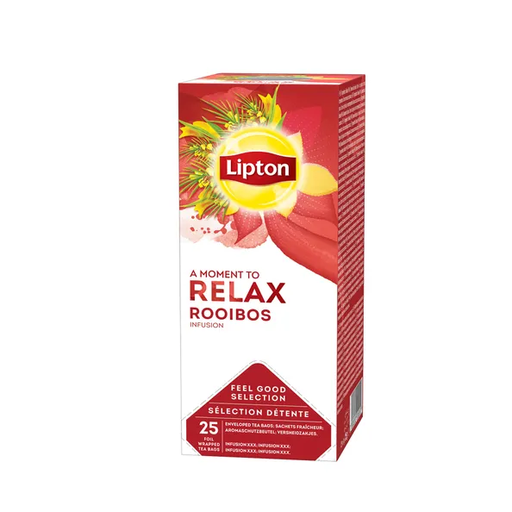 Image unavailable
Lipton Feel Good Selection Rooibos, 25 tea bags
Rooibos is one type of infusion to consider if you want to avoid tea in the evening. This pack contains 25 tea bags; check the ingredients and preparation instructions on the packaging.
View on Joybuy
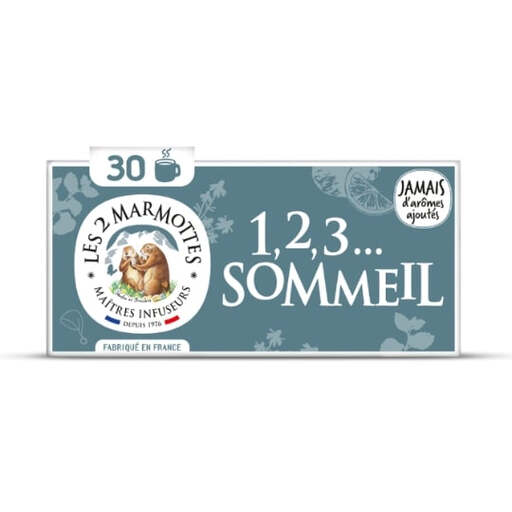 Image unavailable
Les 2 Marmottes 123 Sleep Herbal Infusion, 30 tea bags
This herbal infusion in a pack of 30 tea bags is worth considering among drinks for the evening. Its name is no substitute for checking the ingredients and brewing instructions.
View on Joybuy
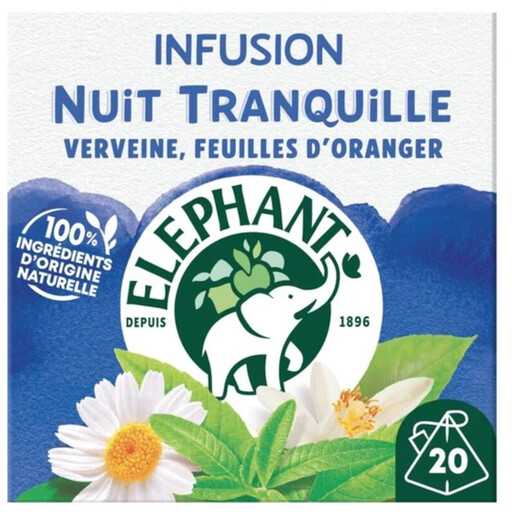 Image unavailable
Elephant Quiet Night, 20 tea bags, 30 g
Before considering this infusion for the evening meal, check its recipe against the resident’s care instructions. The stated pack size is 20 tea bags for 30 g; follow the preparation instructions on the packaging.
View on Joybuy
Frequently asked questions
What should I check when choosing an evening drink without caffeine from tea?
First check that the ingredients list for your chosen product contains no tea leaves, then look for a ‘caffeine-free’ claim if one appears on the product. Carrefour, for example, lists a rooibos product with this claim; it does not apply to all herbal infusions.
Can you regularly serve liquorice and mint herbal tea to all residents?
No. A recipe containing liquorice needs to be assessed for each resident before it is served regularly. ANSES says that high, repeated consumption can cause hypokalaemia and high blood pressure. If a resident has a relevant health condition or takes medication that may be affected, ask the care team or pharmacist for advice.
How can I prepare herbal tea while following the resident’s care instructions?
Follow the instructions for the exact product, then serve it in line with the resident’s individual care instructions. The French National Authority for Health highlights the importance of taking into account any difficulty drinking or swallowing, as well as each care-home resident’s individual needs.
Should I ask the resident which herbal infusion they prefer?
Yes. Ask about their preferences where possible, then balance these with the relevant serving and health instructions. The French National Authority for Health describes personalised care planning in care homes as an approach that takes account of each person’s individual wishes and needs.


