To choose a strong-flavoured herbal tea to serve with a meal in a care home, start with a flavour profile the resident enjoys, then follow the preparation instructions for your chosen product: a label saying ‘intense’ does not guarantee the result in the cup. Before serving it regularly, the team should also confirm that the ingredients and texture are suitable for the resident’s individual requirements. Herbal tea is no substitute for a meal or nutritional care.
Who is this choice for?
Residents who enjoy a distinctive flavour
A mint, ginger and lemon or red berry flavour may be easier to recognise than a subtle floral note. Whether a cup is enjoyed still depends on the resident’s preferences, not a promise of intensity on the box.
Teams and relatives mindful of individual requirements
Where liquid texture, diet or medication needs to be taken into account, choosing the ingredients is not enough: preparation and serving must also follow the requirements that apply to the resident.
Shoppers looking for clear ingredient lists
A short ingredient list and clear instructions make it easier to compare products before buying regularly. For example, Auchan states that its Menthe exquise 1336 infusion contains 100% spearmint.
What should you look for?
For herbal tea served with a meal in a care home, first choose a flavour profile the resident is happy with, then check the ingredients and serving instructions before selecting a product for regular use.
| Criterion |
What to check |
Who it matters to |
| Distinctive flavour |
Ingredient profile and guidance on quantity and brewing; check that the resident enjoys the drink. |
If a herbal tea with a subtle flavour is left untouched during a meal, I first look for a flavour the resident recognises and enjoys. Around 45% of consumers prioritise this need for flavour. |
| Compatibility with individual requirements |
Prescribed texture and ingredients, particularly whether liquorice is present; ask the appropriate care team to check. |
When a drink needs to meet texture requirements or medication is a consideration, I want to be able to serve it in line with the care plan. Around 33% of consumers prioritise this compatibility over aroma. |
| Ingredients and serving |
Ingredient list, number of tea bags and instructions on the packaging. |
For meals served regularly, I need a recipe that’s easy to check and preparation the team can repeat consistently. Ease of management is the main concern for around 22% of consumers. |
Mistakes to avoid
-
Confusing a full-bodied cup with nutritional support
A stronger flavour cannot make up for insufficient food intake. The French National Authority for Health points out that malnutrition in older people can have serious consequences for their overall health.
Serve herbal tea as a drink alongside the meal, without using it as a substitute for food or any nutritional care planned for the resident.
-
Choosing liquorice for its flavour alone
Liquorice is included in some flavoured blends. Anses says that consuming large amounts of products containing liquorice repeatedly can lower blood potassium levels and cause high blood pressure.
Check the ingredients and ask the appropriate care team to review the resident’s circumstances before regularly offering an infusion containing liquorice.
-
Relying on claims of intensity or wellbeing
An evocative name alone cannot tell you how the flavour of two herbal teas compares in the cup or prove that either has a health effect.
Compare the ingredients and instructions for each product, then check that the prepared drink is acceptable to the resident and follows the care home’s requirements.
Brands to consider
These ranges offer recipes to compare. A brand name alone does not tell you how strong a tea will taste or whether it is suitable for a particular resident.
Twinings
According to Twinings France, its Gingembre Miel Citron Ayurveda blend includes ginger, lemongrass, spearmint, rosemary and liquorice.
- Twinings France states that this product contains 35% ginger and should be brewed for five minutes in 250 ml of water at 90 °C.
- As it contains liquorice, its suitability should be checked for the resident before serving it regularly.
Lipton
Auchan lists a Lipton Grand Sud Saveurs du soir liquorice and mint infusion.
- This flavour combination may appeal to people who enjoy minty and liquorice notes.
- Check the ingredients and instructions on the box, then ask the care team to confirm whether the liquorice is suitable for the resident.
Carrefour Classic'
The range mentioned includes a Fruits Rouges infusion, which you could compare with minty or spiced blends if you’re looking for a fruity flavour profile.
- The ingredients and preparation instructions help you assess the product before serving it.
- The name Fruits Rouges does not tell you how strong a resident will find the flavour.
Tiséa / Marque Repère E.Leclerc
E.Leclerc lists a Tiséa liquorice and mint-flavoured infusion in a box of 25 tea bags, weighing 40 g.
- The E.Leclerc range specifies this product’s format and name.
- Liquorice should be taken into account when checking individual suitability. Also check the label of the product you choose.
Auchan Bio
The range mentioned includes blends made with lemon verbena, peppermint and thyme.
- A recipe with just a few ingredients can make the label easier to read, if it has the flavour you’re looking for.
- Wellbeing claims associated with some blends do not demonstrate a clinical benefit for residents.
Herbal teas and infusions to consider on Joybuy
These tea-bag products offer minty, spiced, fruity or herbal flavour profiles to consider for a meal in a care home. Compare each product’s ingredients and instructions, then confirm the serving requirements for the resident. Their inclusion here is not a comparative measure of flavour intensity.
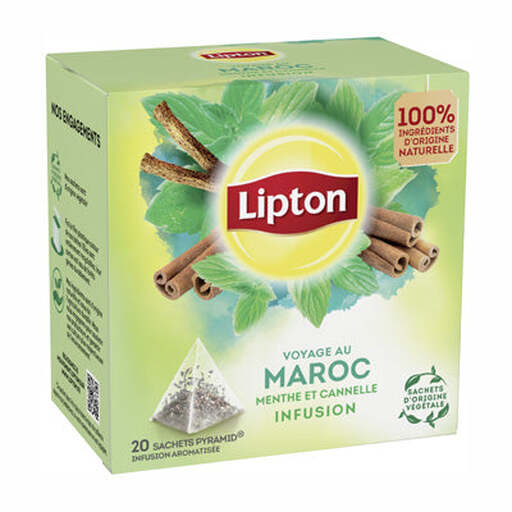 Image unavailable
Lipton Mint Cinnamon, 20 sachets
Worth considering if the resident enjoys mint and cinnamon together. As the recipe contains liquorice, the appropriate care team should check its suitability before it is served regularly. Also check the resident’s individual texture requirements.
View on Joybuy
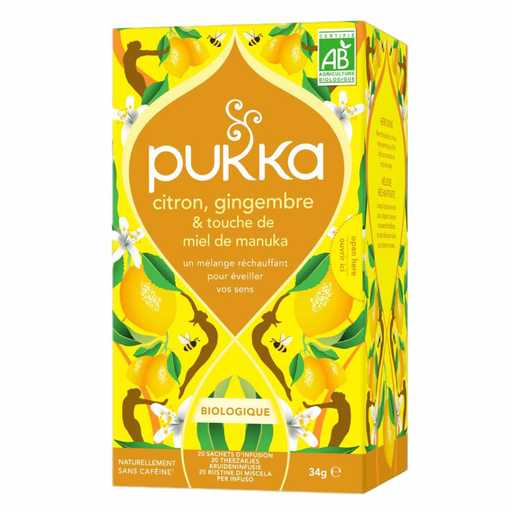 Image unavailable
PUKKA Manuka Honey with Lemon & Ginger, 20 sachets
Consider this if the resident has said they enjoy ginger and lemon, without assuming how strong the flavour will be. Check the preparation instructions on the packaging and ask the appropriate care team to review the liquorice content and texture requirements before serving it regularly.
View on Joybuy
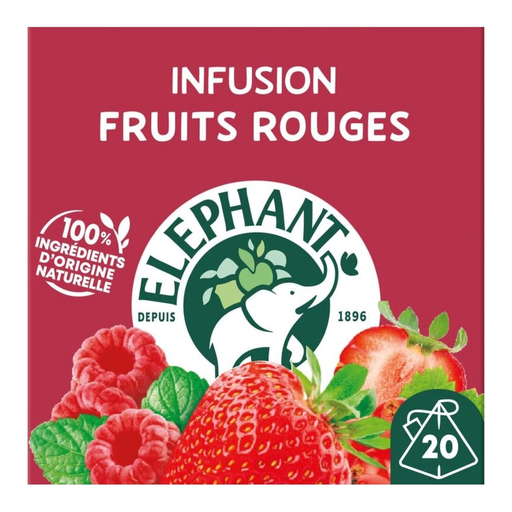 Image unavailable
ELEPHANT Raspberry & Mint, 20 sachets, 40 g
An option for a resident who prefers raspberry and mint together. Before preparing it as a standard option for serving, check the water volume and brewing time on the packaging, as well as the resident’s individual texture requirements.
View on Joybuy
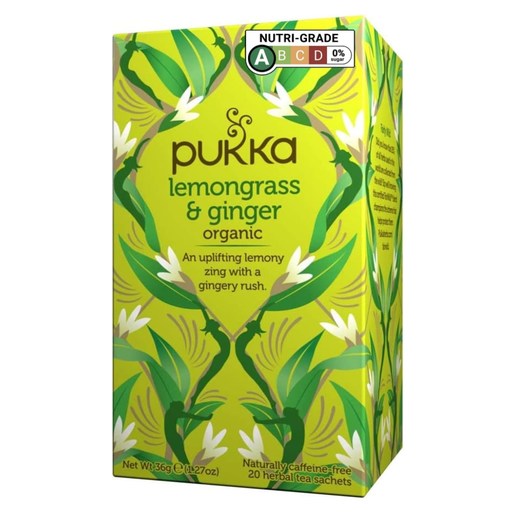 Image unavailable
PUKKA Lemongrass & Ginger, 20 sachets
Worth considering if the resident enjoys lemongrass and ginger. The recipe also contains liquorice, so ask the appropriate care team to check its suitability before serving it regularly. Check the packaging for preparation instructions.
View on Joybuy
 Image unavailable
ELEPHANT Organic Verbena Mint, 20 sachets
An option to consider if the resident prefers lemon verbena and mint together. Check the packaging for brewing instructions and make sure the drink, as served, meets the resident’s individual requirements.
View on Joybuy
Frequently asked questions
Can a full-bodied herbal tea replace part of a meal?
No. A flavoured herbal tea cannot replace the food planned for the resident. If you’re concerned about how much they’re eating, this should be addressed as part of their nutritional care, regardless of the drink’s flavour.
Should you offer a drink if the resident says they’re not thirsty?
Yes. The public information website For older people recommends drinking regularly rather than waiting until you feel thirsty. In a care home, however, the drink offered and its texture must meet the resident’s individual requirements.
Why check whether an infusion contains liquorice?
Anses says that consuming large amounts of products containing liquorice repeatedly can lower blood potassium levels and cause high blood pressure. Interactions with some medicines have also been reported. Before serving a recipe like this regularly, ask the appropriate care team to review its ingredients for the resident concerned.
Is a liquid herbal tea suitable if a specific texture has been prescribed?
Not necessarily. The texture to be served depends on the individual prescription and the care home’s protocol. Ask for the preparation and serving method to be confirmed before offering the herbal tea to the resident.


