People who drink herbal tea regularly
You’re looking for a number of tea bags and a net weight that suit your routine, without filling your cupboard with blends you won’t get through.


To stock your cupboard with herbal teas without accumulating unused boxes, start by choosing a blend you’ll enjoy and a number of portions that suits how much you drink. Loose-leaf tea can be transferred to a jar, provided you check its ingredients and preparation instructions. Organic certification and packaging in France relate to different criteria from the format.
You’re looking for a number of tea bags and a net weight that suit your routine, without filling your cupboard with blends you won’t get through.
You’d like to transfer loose-leaf herbal tea to a reusable container, and need to check the blend, the recommended quantity and how to store it.
You prefer a short ingredients list, an organic option or the absence of a particular ingredient, rather than choosing based on the blend’s name alone.
To choose between tea bags, loose-leaf tea and storing it in a jar, start with how often you drink it and the flavour you’re after. Then check the net weight, ingredients and storage instructions.
| Criteria | What to check | Who is it for? |
|---|---|---|
| Quantity for regular use | Number of tea bags and net weight; choose a blend you plan to drink. | If I drink herbal tea often, I want a box whose portions I’ll use, rather than an assortment that will sit in the cupboard. Around 33% of consumers prioritise finding a quantity that matches how much they drink. |
| Loose-leaf tea and jar storage | Product description, ingredients and recommended amount per cup; choose a container suitable for food. | If I want to store my herbal tea in a jar, I need to know what I’m transferring and how to prepare it. This storage need comes first for around 27% of consumers. |
| Ingredients, organic certification and origin | List of herbs and organic certification; distinguish the origin of the ingredients from where the product is packaged. | I prefer to recognise the herbs in my tea and understand what its labelling means. Around 20% of consumers prioritise checking the ingredients. |
| Flavour and choice of herbs | Herbs and flavourings in the blend; check for liquorice, particularly if you plan to drink it regularly. | When I choose a herbal tea for its flavour or for a particular time of day, I want the ingredients to suit my preferences. Around 20% of consumers prioritise the blend itself. |
The format alone doesn’t tell you what’s in the blend. For example, Carrefour lists a loose Ricola preparation containing sugar, dextrose and plant extracts.
Before filling a jar, read the product description, full ingredients list and preparation instructions.
An herbal tea can be organic and packaged in France without its herbs having been grown there. Auchan lists several possible origins for the camomile in one of its organic herbal teas.
If origin matters to you, check where the ingredients come from separately from where the product is packaged; don’t assume one tells you the other.
Some blends contain liquorice. Anses has highlighted risks linked to high, repeated consumption of foods or drinks containing it.
Look for liquorice in the ingredients list, and speak to a healthcare professional if your personal circumstances mean you need to take precautions.
The supermarket’s own brand offers herbal teas in classic and flavoured blends.
The Tisēa and Bio Village ranges include a variety of herbal tea blends in tea bags.
The range includes herbal teas made with a single herb as well as organic blends.
Twinings offers herbal and fruit infusions with a range of flavours for different occasions.
Lipton is among the brands of infused drinks found in the herbal and fruit tea aisle.
These Joybuy products include herbal tea bags and herbal blends for your cupboard. To shop with sustainability in mind, compare their weight, number of portions and blend with how much you drink; an assortment of tea bags is not the same as herbal tea sold in a jar.
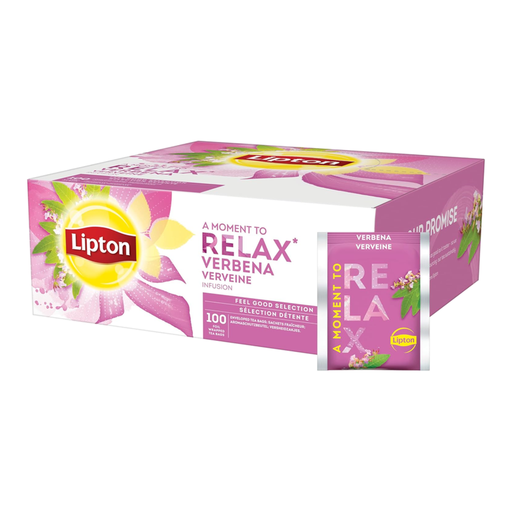 Image unavailable
This assortment may suit you if you like to try different herbal teas in tea bags. Check the number of tea bags on the packaging before comparing formats, and check the ingredients in each blend if you plan to drink them regularly.
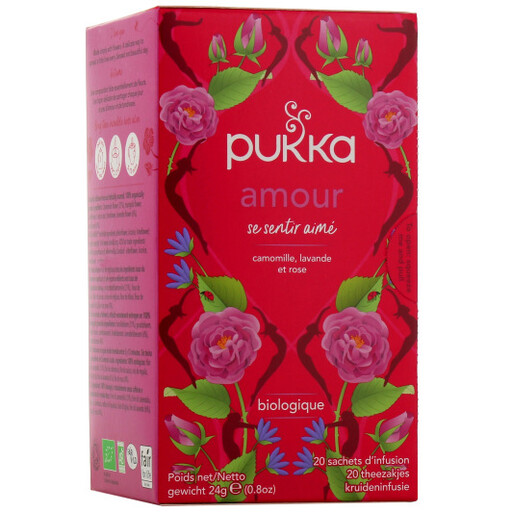 Image unavailable
If you’re looking for a herbal blend, this 24 g pack lets you compare its net weight with other herbal teas. Check the ingredients before drinking it regularly, particularly for liquorice.
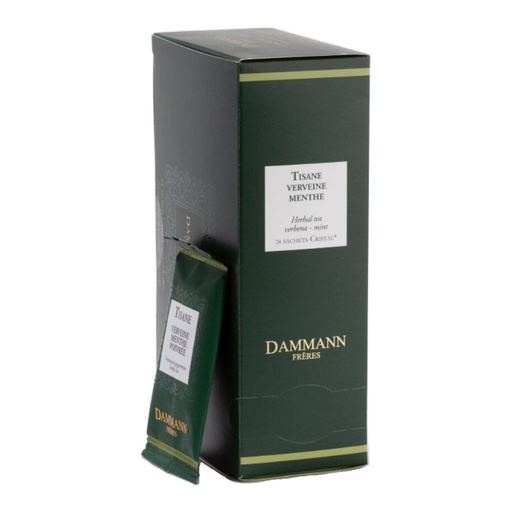 Image unavailable
This verbena and peppermint herbal tea may suit you if you’re looking for a tea-bag blend. The box listed contains 24 tea bags and weighs 48 g; check the preparation instructions on the packaging.
 Image unavailable
If you’re considering this 40 g blend for regular use, check the number of portions on the packaging and read the list of herbs, particularly to see whether it contains liquorice. The name “Digestion” shouldn’t be taken as a guarantee of an effect.
Not necessarily. The EU organic logo relates to organic production rules, while “packaged in France” refers to where the product is packaged. For Auchan Bio Camomile Herbal Tea, Auchan lists several possible origins for the herb. Check where the ingredients come from if this matters to you.
Yes, as long as the jar is clean, dry and suitable for food, and you follow the product’s storage instructions. Keep the information from the packaging too, particularly the ingredients, preparation instructions and best-before date.
No, but it’s worth paying attention to how often you drink them. Anses has highlighted risks from high, repeated consumption of products containing liquorice. Check the ingredients and seek advice suited to your circumstances if needed.
Compare their net weight, number of tea bags and blends with what you actually plan to drink. A larger box is only useful if you’ll get through its contents at your usual pace.