For anyone who likes a full-flavoured cup after dessert
If you want your herbal tea to have a noticeable flavour after coffee and dessert, check the herbs and spices in the ingredients, then look at the recommended brewing time.


For a full-flavoured cup after coffee and dessert, choose a blend with herbs or spices that match the flavours you’re after, then follow the recommended brewing time. One Auchan Bio product page suggests adjusting the time to suit your preferred strength. If you’re considering a liquorice blend, also think about how often you drink it: Anses recommends consuming liquorice in moderation and only occasionally.
If you want your herbal tea to have a noticeable flavour after coffee and dessert, check the herbs and spices in the ingredients, then look at the recommended brewing time.
If you’re looking for a hot drink after a meal without tea or maté, check the ingredients and any caffeine information. Blends containing tea, matcha or maté are also sold in the herbal tea aisle.
If a mint and liquorice blend appeals to you, check the ingredients and any warnings. Anses advises particular caution during pregnancy or breastfeeding, and for anyone with cardiovascular problems or taking certain medicines.
When choosing a herbal tea to serve after coffee and dessert, start with the flavour you’re looking for. Then check whether the blend and format suit when you plan to drink it.
| What to look for | Check | Who it matters to |
|---|---|---|
| Full flavour | The main herbs or spices, and the recommended brewing time. | After dessert, I want a flavour that remains noticeable, without assuming that a “strong” label guarantees a robust taste. Around 36% of consumers would put full flavour first. |
| Caffeine | Whether the ingredients include tea, matcha or maté, and whether the product is labelled “caffeine-free”. | For an evening cup, I prefer to avoid blends containing caffeine. This would be the top priority for around 29% of consumers. |
| Ingredients and precautions | Whether the blend contains liquorice, and any warnings on the packaging. | If I choose a liquorice blend, I want to be able to take into account how often I drink it and my personal circumstances. For around 21% of consumers, checking these precautions would come ahead of other criteria. |
| Format | The number of tea bags, net weight and amount needed per cup. | If I only make it occasionally, I want to choose a box that suits how I’ll use it. Around 14% of consumers would make format their top priority. |
A blend name such as “digestion” or “detox” does not prove a health benefit, and it is no substitute for checking the ingredients.
Choose based on the flavour, ingredients and warnings. Don’t use herbal tea in place of medical care.
Anses highlights the risks associated with high and repeated liquorice consumption, particularly for certain people and when taking certain medicines.
Look out for liquorice in the different products you consume, and ask a healthcare professional for advice if a warning applies to you.
Two herbal teas marketed for after a meal may contain different herbs, including liquorice or ingredients that provide caffeine.
When shopping, compare the ingredients and preparation instructions on the product you’re actually buying.
A brand worth considering based on the specific blend you’re looking for, rather than as a range of herbal teas with a consistent strength.
The retailer features product pages for mint and liquorice herbal teas from third-party brands, which are useful for comparing blends.
The Bio Village and Tisæa ranges offer a point of comparison for blends and tea-bag formats.
The retailer lets you compare herbal blends with products containing tea, matcha or maté.
These products let you compare a ginger drink with herbal blends for a cup after dessert. If a robust flavour or avoiding caffeine is important to you, check the ingredients in each blend before choosing.
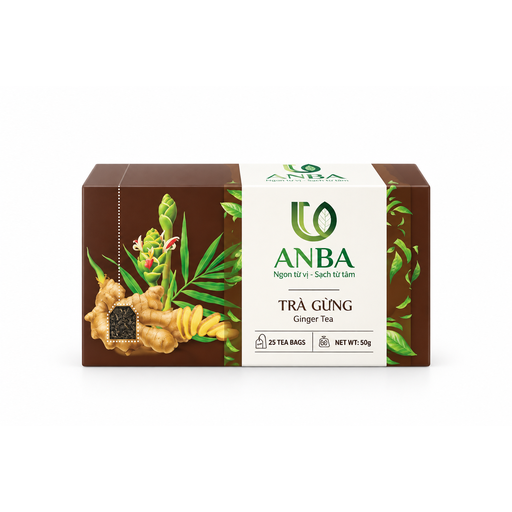 Image unavailable
Worth considering if you’re looking for a hint of ginger after dessert. The stated pack size is 50 g; check the ingredients and whether it contains caffeine if you’re looking to avoid it.
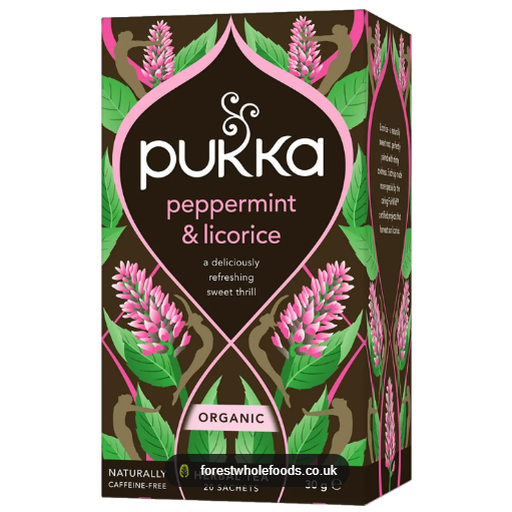 Image unavailable
For a cup combining peppermint and liquorice after dessert. Carrefour lists this Pukka blend as caffeine-free; the box contains 20 tea bags. As it contains liquorice, bear in mind Anses’ recommendation to consume it in moderation and only occasionally.
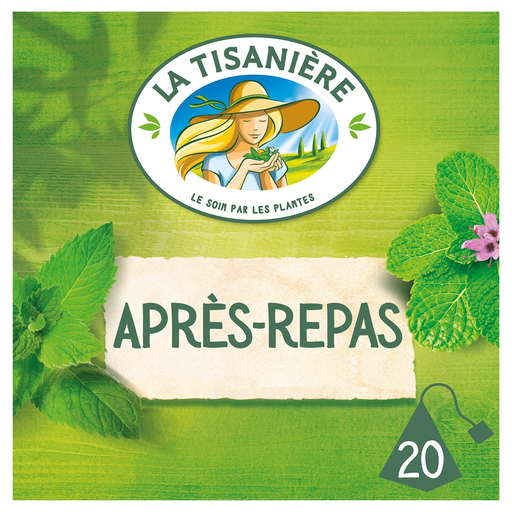 Image unavailable
For a cup with notes of aniseed, mint and verbena after a meal, rather than a particularly robust flavour. The box contains 20 tea bags. This blend contains liquorice, which Anses recommends consuming in moderation and only occasionally.
No. To choose a full-flavoured cup, check the blend and follow its preparation instructions rather than relying on that label alone. For example, the Auchan Bio Infusion détente product page recommends brewing for 3 to 5 minutes, depending on your preferred strength. This timing doesn’t apply to every blend.
No. Auchan’s range also includes blends made with tea, matcha or maté. If avoiding caffeine matters for your evening cup, check the ingredients and the information on the product you choose.
Anses recommends consuming liquorice in moderation and only occasionally. It advises particular caution during pregnancy or breastfeeding, for children, and for people with certain health conditions or taking certain medicines. Ask a healthcare professional for advice if any of these situations apply to you.
Yes, but the flavour may have faded. The Directorate General for Competition Policy, Consumer Affairs and Fraud Control explains that food can still be safe to consume after its best-before date if the packaging is intact, although it may have lost some of its flavour. Also follow the storage instructions on the box.