People avoiding caffeine in the evening
If avoiding caffeine matters more to you than the taste of tea, look for an explicit statement on the packaging. Decaffeinated tea may not meet the same requirement.


If you want to avoid caffeine after a winter meal, choose a herbal infusion whose label confirms that it is caffeine-free, such as rooibos labelled as such. Decaffeinated tea is a better choice if you want the taste of tea, but it may still contain some caffeine. To compare blends, look at their flavour and ingredients, including whether they contain liquorice.
If avoiding caffeine matters more to you than the taste of tea, look for an explicit statement on the packaging. Decaffeinated tea may not meet the same requirement.
Mint, lemon or ginger can help guide your flavour choice. Check the full ingredients list too, rather than relying on the blend’s name alone.
A floral or fruity herbal infusion and roasted chicory have very different flavour profiles. Compare the ingredients and brewing instructions before choosing.
When choosing a hot drink after a meal, first decide whether you want to avoid caffeine altogether or simply reduce your caffeine intake. Then choose a flavour and check the ingredients.
| What to consider | What to check | Who is it for? |
|---|---|---|
| Caffeine content | Look for an explicit statement that the drink is caffeine-free and check the ingredients. For decaffeinated tea, check the stated residual caffeine content. | If I want to avoid caffeine in the evening, a simple ‘decaffeinated’ label doesn’t meet my main requirement. Around 42% of consumers would put an explicit caffeine-free statement at the top of their list. |
| After-dinner flavour | Compare the main herbs and flavourings, and look out for liquorice if you’re planning to drink it regularly. | To finish a meal with a fresh or spicy note, I choose a blend for its flavour rather than taking a ‘digestion’ claim as a proven effect. Around 33% of consumers are said to prioritise this. |
| Flavour and preparation | Choose between floral, fruity or roasted notes, then check the brewing time and temperature given for that particular product. | If I prefer a mild or roasted cup, its flavour profile matters more to me than how closely it resembles tea. Around 25% of consumers would prioritise this flavour choice. |
Decaffeinated tea may still contain caffeine: Carrefour France states that Lipton Thé du Soir contains less than 0.1% caffeine, while its product page for Kroon rooibos says it contains no caffeine.
If avoiding caffeine is important to you, check the claim on the specific product and read its ingredients list.
An aromatic blend may contain liquorice. The French Agency for Food, Environmental and Occupational Health & Safety (Anses) warns that high, repeated consumption of liquorice can cause adverse effects, including high blood pressure.
Check the label for this ingredient before making the infusion part of your regular routine. If you’re unsure because of your circumstances or medication, ask a healthcare professional for advice.
These words may describe how a blend is marketed, but they don’t establish a medical effect. They’re no substitute for checking the ingredients.
Choose according to the flavour you want, the ingredients and any precautions on the packaging. Don’t use the drink as a substitute for medical advice.
An option if you’d rather keep the taste of tea than choose a herbal infusion.
A range of distinct blends, including mint, lemon, fig and ginger, or lemon balm, peach and orange blossom.
A retailer where you can compare details of different products without assuming they’re Carrefour own-brand products.
A retailer to consider if you fancy a roasted hot drink more than a floral herbal infusion.
A retailer with a range of herbal teas and infusions to explore, product by product.
These products include herbal infusions and rooibos for an after-dinner cup. For each one, compare the flavour you’re looking for with the ingredients and information on the packaging, especially if you want to avoid caffeine.
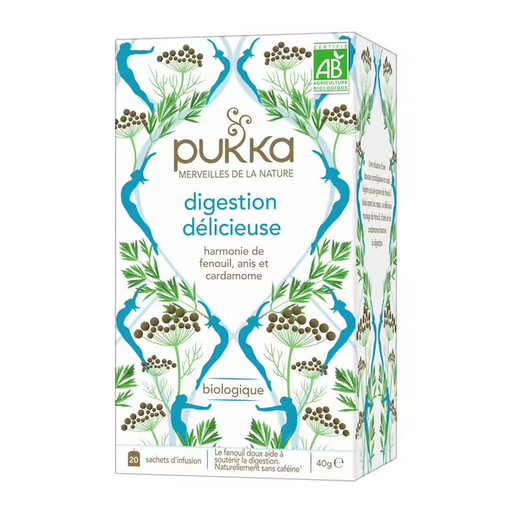 Image unavailable
Worth considering if you’re looking for an aromatic herbal infusion after a meal. This blend contains liquorice, so bear that in mind if you plan to drink it regularly.
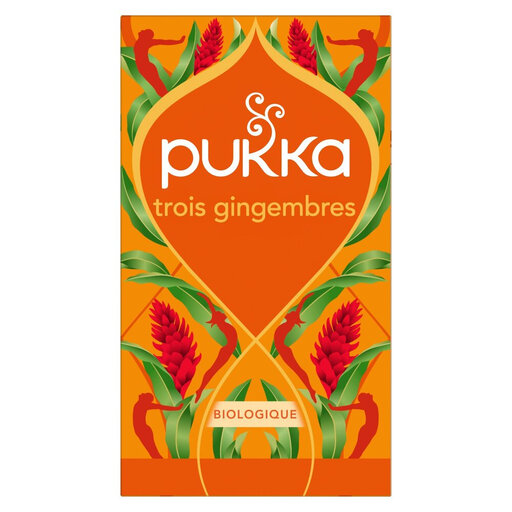 Image unavailable
Worth a look if you prefer a spicy herbal infusion after a meal. The blend contains liquorice, so check the ingredients if you’re thinking of drinking it regularly.
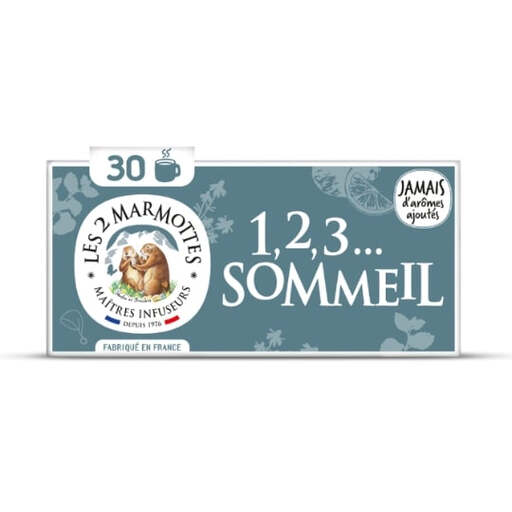 Image unavailable
A tea-bag infusion to compare with other blends if you prefer floral or citrus notes. Check the packaging for information about caffeine and brewing instructions.
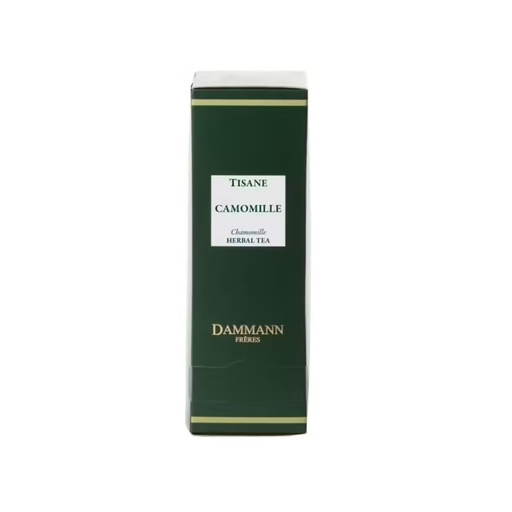 Image unavailable
A chamomile herbal tea to consider if you’re looking for a floral flavour after a meal. If avoiding caffeine is essential for you, check the claim on the box.
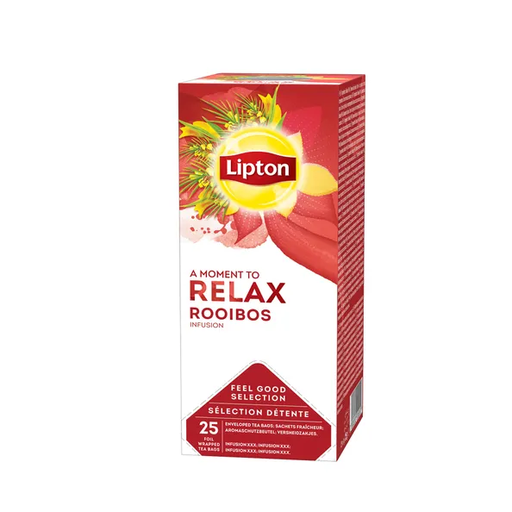 Image unavailable
A rooibos tea in bags to consider if you prefer this type of herbal infusion to decaffeinated tea. Check the packaging for information about caffeine and brewing instructions.
No: the word ‘infusion’ alone doesn’t confirm that a drink is caffeine-free. If this matters to you, check the ingredients and the label. Carrefour France describes Kroon rooibos as containing no caffeine, while Lipton Thé du Soir is a decaffeinated tea containing less than 0.1% caffeine.
Choose according to what matters most to you: a rooibos product explicitly labelled as caffeine-free if you want to avoid caffeine, decaffeinated tea if you want to keep the taste of tea and are happy with some residual caffeine, or chicory for a roasted note. Then check the brewing instructions for the specific product: Auchan France’s product page says to brew Lutun Organic Chicory for 3 to 4 minutes at 80 °C, compared with 2 to 3 minutes at 100 °C on Carrefour France’s page for Lipton Thé du Soir.
How often you drink it matters: according to Anses, high, repeated consumption of liquorice can lower blood potassium levels and cause high blood pressure. The agency draws particular attention to pregnant or breastfeeding women, children and people with certain cardiovascular, kidney or liver conditions. If you’re unsure or taking medication, ask a healthcare professional for advice before drinking it regularly.
For pre-packed food sold in France, first check the product name, ingredients list, highlighted allergens and net quantity. The DGCCRF reminds businesses of the requirements for the legibility and presentation of mandatory information. This can help you identify tea, liquorice, flavourings and the size of the pack.