If you’re looking for a robust tea to enjoy with breakfast, opt for a black tea described as strong. Kusmi Tea, for example, describes its English Breakfast as a blend of Ceylon and Assam teas. If you’d rather have a herbal infusion, choose one for its distinctive ingredients, without necessarily expecting it to have the same character as black tea. Either way, check the ingredients, particularly for tea, maté or liquorice, rather than relying on the word “strong” or a “wellness” claim alone.
Who are these drinks for?
Fans of robust black tea
You want your breakfast cup to have the character of black tea, rather than simply a spicy flavour. Kusmi Tea describes its English Breakfast blend of Ceylon and Assam teas as strong and robust. It contains tea, and therefore caffeine.
Fans of aromatic herbal infusions
You’re mainly after a distinctive flavour from herbs or spices, rather than the body of black tea. Recipes featuring chilli, ginger or pepper are worth comparing. Check the ingredients if you also want to limit your caffeine intake.
People who check ingredients carefully
You look at the ingredients and any precautions before choosing a blend marketed as “detox” or for “digestion”. Liquorice is particularly worth checking for if you’re thinking of drinking it regularly.
How do robust tea and herbal infusions compare?
For a “strong” cup, first decide whether you’re after the body of black tea or the aromatic intensity of herbs and spices. Either way, check the ingredients and the preparation instructions for each product.
Robust black tea
Choose this if: you’re mainly looking for the character of black tea at breakfast. Kusmi Tea describes its English Breakfast blend of Ceylon and Assam as strong and robust.
Bear in mind: this isn’t a tea-free herbal infusion. Tea leaves naturally contain caffeine, as the European Food Safety Authority points out.
Herbal and spiced infusion
Choose this if: you prefer a spicy or herbal flavour to the taste of black tea. Kusmi Tea’s Happy Mind blend includes turmeric and chilli.
Bear in mind: a pronounced flavour isn’t the same as the body of a robust tea. Check the ingredients if the presence of tea or maté matters to you.
| What to consider |
What to check |
Who it matters to |
| Body of the tea |
Whether it contains black tea and is described as strong or robust; check the caffeine content if you’re looking to limit your intake. |
I want my morning cup to have the character of black tea, even if that rules out herbal infusions. Around 46% of consumers prioritise this tea-like body. |
| Aromatic intensity |
Ingredients such as ginger, pepper or chilli, and whether the blend also contains tea or maté. |
A spicy flavour is enough for me; I’m not specifically looking for the taste of black tea. Around 27% of consumers would prioritise this aromatic intensity. |
| Ingredients and precautions |
The full ingredients list, warnings and directions for use, especially if the blend contains liquorice. |
Before drinking it regularly, I want to know what’s in the blend and what precautions apply to me. Around 18% of consumers would put this check first. |
| Convenience when shopping |
The pack size, local availability and seller when ordering online. |
I want to add the tea bags to my weekend shop easily, without finding out at checkout that the seller or collection option doesn’t suit me. Around 9% of consumers would put convenience ahead of the other criteria. |
Common pitfalls to avoid
-
Confusing a spicy flavour with the body of black tea
Ginger, pepper or chilli can give a drink a distinctive flavour without replicating the character of a black tea blend. Conversely, a robust English Breakfast is still a tea-based drink.
Decide what you mean by “strong”, then compare the ingredients with what you’re looking for, rather than relying on the name of the aisle alone.
-
Taking “detox” as a health promise
A marketing name doesn’t prove that an infusion treats or prevents a health problem. The DGCCRF points out that health claims on food are regulated, and only authorised claims can be used under the conditions set out for them.
Choose based on the ingredients and directions for use. If you have a medical question, ask a healthcare professional for advice.
-
Overlooking liquorice in a blend you plan to drink regularly
According to Anses, high and repeated consumption of products containing liquorice can lead to low blood potassium levels and high blood pressure. Certain personal circumstances and medications call for particular care.
Check the ingredients for liquorice. If these precautions apply to you, ask for advice tailored to your circumstances before drinking it regularly.
-
Relying on the online aisle without checking the specific product listing
An online aisle may include different pack sizes and sellers. Carrefour’s, for example, includes a product sold and delivered by a partner.
Before ordering, check the ingredients, pack size, seller and collection or delivery options for the product you’ve chosen.
Brands and retailers to explore
These examples are useful for comparing blends and places to shop. A retailer’s inclusion here doesn’t mean that all its products are suitable for a robust morning cup.
Kusmi Tea
The brand offers two distinct options: English Breakfast, a blend of Ceylon and Assam black teas, and Happy Mind, a herbal infusion containing turmeric, apple, chilli and moringa, among other ingredients.
- Kusmi Tea describes its English Breakfast as strong and robust, making it a direct match for anyone looking for a black tea to enjoy at breakfast.
- Happy Mind gives you a spiced blend to compare, but don’t assume it will have the same body as black tea.
Lipton
The range includes mint blends, one of which is paired with liquorice. Check the ingredients rather than expecting these to be robust teas.
- These flavour combinations offer a different point of comparison from black tea blends.
- If you’re considering drinking a liquorice blend regularly, take account of the precautions highlighted by Anses.
Auchan Bio
Auchan’s range includes several types of herbal infusion, with a variety of blends and product names.
- Comparing ingredients helps you tell an aromatic blend from one that contains maté.
- Names referring to digestion or other functions aren’t enough to prove an effect for the person drinking them.
Carrefour
This retailer has an online range of feel-good herbal infusions, which is useful for browsing products while doing your shopping.
- The range lets you compare product listings for several blends.
- Some products are sold by a partner, so check the seller and the details for the specific product you choose.
E.Leclerc
A listing for a 20-bag organic herbal infusion mentions rosemary, peppermint, ash, thyme and burdock, among other ingredients.
- For this specific product, the listing recommends infusing for 3 to 5 minutes, depending on how strong you like it.
- Its “detox” description isn’t proof of medical effectiveness.
Herbal infusions available on Joybuy
These two Pukka products are ginger-based herbal infusion options for breakfast, rather than alternatives to robust black tea. Compare their ingredients and pack sizes to find the flavour you’re after.
 Image unavailable
Pukka Organic Gingers Herbal Tea, 36 g
Worth considering if you’d like a ginger infusion rather than the character of black tea. The listed pack size is 36 g. Before adjusting the strength of your cup, check the ingredients and brewing instructions on the product listing and packaging.
If you’re planning to drink it regularly, check in particular for liquorice. Anses warns of risks from high and repeated consumption.
View on Joybuy
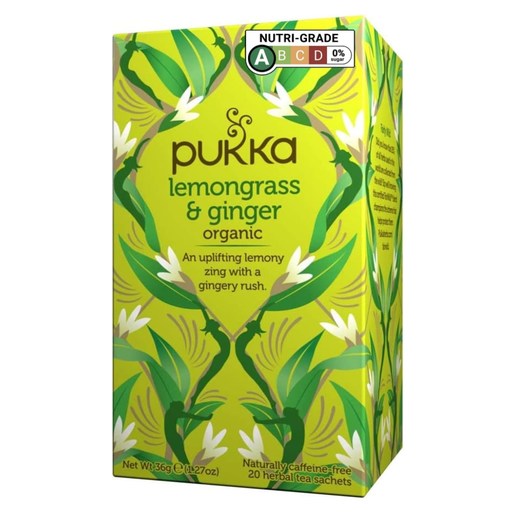 Image unavailable
Pukka Lemongrass & Ginger, 20 tea bags
Worth comparing if you prefer lemongrass and ginger to black tea at breakfast. The listed box contains 20 tea bags. Check the ingredients and brewing time on the packaging to prepare this product according to its own instructions.
If you’re drinking it regularly, also check for liquorice and any precautions that may apply to you.
View on Joybuy
Frequently asked questions
Is an infusion labelled “strong” necessarily caffeine-free?
No. “Strong” describes the intensity you’re looking for, not what the drink contains. Check the ingredients to distinguish blends containing tea or maté from other herbal infusions. The European Food Safety Authority points out that tea leaves naturally contain caffeine.
Can you steep an infusion for longer to get a stronger flavour?
Follow the recommended brewing time for the product you’ve chosen, rather than applying the same time to every herb. An E.Leclerc listing gives a 3-minute brewing time for its product, with up to 5 minutes suggested for a stronger flavour.
Can a “detox” infusion treat a health problem?
No. Its marketing name doesn’t mean it can treat a health problem. The DGCCRF points out that health claims on food are regulated. When choosing a drink, check its ingredients and directions for use, and don’t treat the product name as a substitute for medical advice.
Why check whether an infusion contains liquorice?
Because, according to Anses, high and repeated consumption of products containing liquorice can lead to low blood potassium levels and high blood pressure. It’s particularly important to take care in certain circumstances, including during pregnancy or breastfeeding, if you have cardiovascular, kidney or liver problems, or if you’re taking certain medicines.


