For a regular drink, choose an infusion with a full ingredients list you can read, checking in particular for tea, maté or liquorice, depending on who will be drinking it. An infusion can make drinking more enjoyable, but it cannot replace the nutrients you need from food. If someone is losing weight, has a poor appetite or is finding it difficult to eat, seek medical advice.
Who is this choice for?
Older people who drink very little
For someone over 75 who rarely waits until they feel thirsty, an infusion they enjoy can help make drinking regularly part of their routine. Manger Bouger points out that the sensation of thirst can diminish with age.
People taking medication or living with high blood pressure
The list of plants matters more than a ‘wellbeing’ claim. Anses advises particular caution with liquorice: consuming large amounts regularly can cause high blood pressure and interact with some medicines.
People supporting someone who is eating less
An enjoyable drink will not address weight loss or insufficient food intake. As Assurance Maladie explains, malnutrition can involve insufficient energy, protein and nutrient intake.
What should you look for?
Start by considering why you are offering the drink, then read the ingredients and choose a pack size that suits the person’s habits. Claims such as ‘relaxation’ or ‘detox’ are no substitute for these checks.
| What matters |
What to check |
Who is it for? |
| Drinking regularly |
A flavour the person enjoys and, if they avoid stimulating drinks, whether it contains tea, maté or matcha. |
If I don’t drink much, I’m looking for something I’ll want to have again throughout the day, without accidentally choosing a stimulating blend. Around 36% of consumers would put this need first. |
| Checking the plants |
The full ingredients list, especially for liquorice. If the person takes regular medication or has a relevant health condition, ask a healthcare professional for advice. |
If I take medication or have high blood pressure, I want to check every plant before making an infusion part of my daily routine. This would be the priority for around 29% of consumers. |
| Distinguishing drinks from food |
Changes in weight or appetite, and any difficulty eating, rather than claims on the box. |
If someone close to me is eating less or losing weight, I don’t want a herbal tea to delay a medical appointment. Around 21% of consumers would have this concern first. |
| Making a practical routine |
The number of tea bags, the weight and a format the person can prepare easily. |
For a drink served often, I need packaging that’s easy to use and easy to find. Convenience would be the top criterion for around 14% of consumers. |
Mistakes to avoid
-
Relying on the word ‘wellbeing’ alone
Two blends presented in a similar way can contain different plants, including tea, maté or liquorice. The product name alone won’t tell you whether an infusion is suitable for regular drinking.
Read the full ingredients list and pay particular attention to any plants the person wants to avoid.
-
Trying to address weight loss with herbal tea
According to Assurance Maladie, malnutrition is linked to insufficient energy, protein and nutrient intake. An infusion cannot make up for this shortfall.
Offer it as a drink alongside meals, without replacing food or delaying medical advice if the person is losing weight or struggling to eat.
-
Overlooking liquorice in a daily infusion
Anses links high, repeated liquorice consumption with a risk of high blood pressure and hypokalaemia, and describes interactions with several medicines.
If the person has high blood pressure, cardiovascular, kidney or liver disease, or takes regular medication, ask a doctor or pharmacist for advice before choosing a liquorice blend.
Brands to consider by recipe
A brand may offer blends with different ingredients, so check the specific product rather than guessing from the range name.
Kusmi Tea
Kusmi Tea offers herbal, fruit, flower and spice infusions alongside its teas and other drinks.
- The brand advertises a collection of caffeine-free infusions, available loose or in tea bags.
- Its range also includes tea, matcha and maté, so check each blend if you want to avoid these ingredients.
Carrefour Classic'
The range includes classic infusions in tea bags, including verbena and mint blends.
- Carrefour’s product listing for its verbena and mint infusion names two ingredients, each making up 50% of the blend.
- This composition applies to that specific product; check the ingredients on other boxes.
Bio Village / Marque Repère
The range sold by E.Leclerc includes an infusion combining lime blossom, verbena, hawthorn and aniseed.
- The E.Leclerc product listing lets you check the ingredients in this blend.
- Check the ingredients of the product you choose and its availability at your local E.Leclerc store.
Auchan Bio
Auchan sells infusions under several descriptions, including blends associated with relaxation or digestion.
- These descriptions can help you identify different types of blend.
- They don’t tell you which plants are in the blend, so read the ingredients before choosing.
Lipton
Among the Lipton products listed by Auchan is an infusion combining liquorice and mint.
- The product name identifies the plants that give it its flavour profile.
- If you drink liquorice regularly, bear in mind the precautions highlighted by Anses, particularly if you have high blood pressure or take medication.
Infusions available on Joybuy
This selection includes herbal infusions with simple ingredients and a red-fruit blend. For an everyday drink, compare the ingredients and format first. None of these infusions can replace a balanced, sufficient diet.
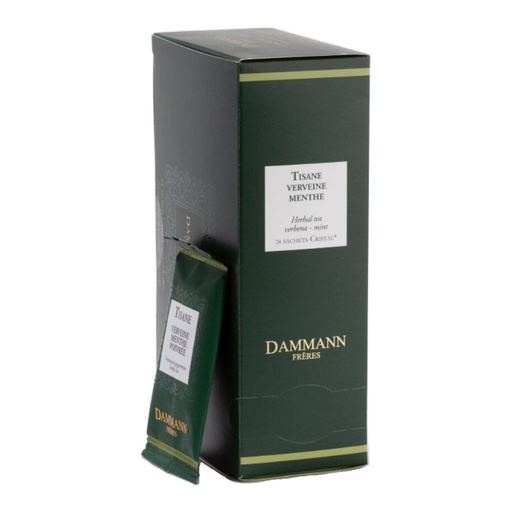 Image unavailable
DAMMANN FRÉRES Verbena & Peppermint, 24 tea bags, 48 g
A verbena and peppermint blend to consider if you want to add variety to your regular drinks. The pack contains 24 tea bags. If caffeine-free is essential, check the packaging to confirm.
View on Joybuy
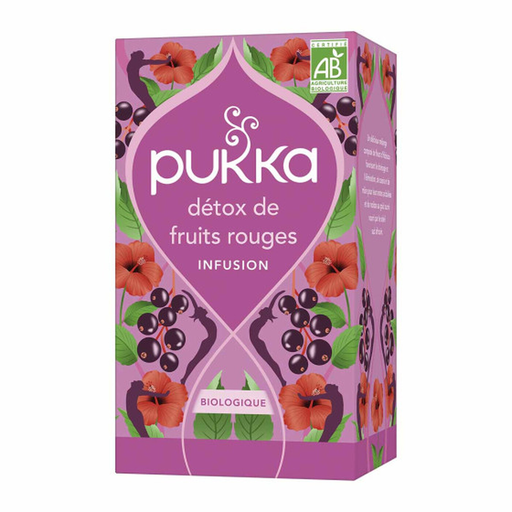 Image unavailable
Pukka Organic Red Fruits Detox, infusion, 34 g
A red-fruit option for a change of flavour. The pack contains 34 g; check the pack size if the number of servings matters to you. ‘Detox’ is part of the product name and does not prove that it has any health benefits.
View on Joybuy
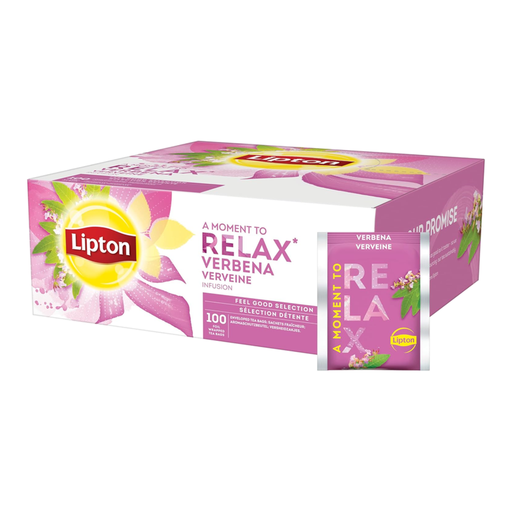 Image unavailable
Lipton Verveine Infusion Gift Set, 100 tea bags
A verbena infusion for anyone who prefers to make their drink using a tea bag. The set contains 100 tea bags; check the packaging for ingredients and preparation instructions.
View on Joybuy
 Image unavailable
ELEPHANT Organic Verbena Mint, 20 sachets
A verbena and mint blend to consider if you’re looking for these two plants in tea bags. The box contains 20 tea bags; check the packaging for the brewing time and any important information about caffeine.
View on Joybuy
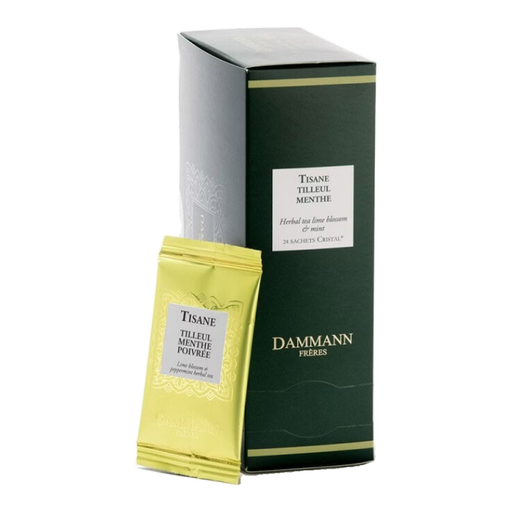 Image unavailable
DAMMANN Tilleul & Spearmint, 24 tea bags, 48 g
A lime blossom and mint blend to compare with verbena infusions, depending on the person’s taste. This 48 g pack contains 24 tea bags; check that the format suits the way you store and prepare infusions.
View on Joybuy
Frequently asked questions
Can an infusion prevent or treat malnutrition in an older person?
No. An infusion cannot replace the energy, protein and nutrients that Assurance Maladie refers to when discussing malnutrition. If someone is losing weight, eating very little or finding it difficult to eat, consult a doctor rather than simply changing their drink.
How much should you drink after the age of 75?
Manger Bouger recommends that people over 75 drink 1 to 1.5 litres a day, without necessarily waiting until they feel thirsty. Individual circumstances may affect how much someone needs. If they have been advised to restrict fluids, follow a healthcare professional’s guidance first.
Should liquorice be avoided in all infusions for older people?
Not necessarily, but it’s worth checking for liquorice before drinking an infusion regularly. Anses links high, repeated liquorice consumption with risks including high blood pressure and hypokalaemia. Ask a doctor or pharmacist for advice if you have high blood pressure, cardiovascular, kidney or liver disease, or take medication.
What do ‘detox’ or ‘digestion’ mean on an infusion box?
These words alone don’t establish what a blend does or whether it is suitable for an older person. Read the ingredients and, if a symptom persists or the person takes medication, seek medical advice rather than relying on the blend’s name.


