What should you look for first?
To choose your morning cuppa, first decide whether you’re mainly after a pronounced flavour or caffeine. Then compare the ingredients and brewing instructions, and check any precautions for liquorice.
| What matters |
What to check |
Who is it for? |
| Pronounced flavour |
Look for the dominant botanicals and follow the brewing time and water temperature specified for the product. |
If I’m replacing coffee with a hot drink, I mainly want to clearly taste the flavours I’ve chosen. Around 42% of consumers put this need for flavour first. |
| Caffeine content |
Distinguish tea from a herbal infusion and read the ingredients list. |
If I want to keep caffeine in my morning routine, a robust-tasting herbal infusion won’t meet my main priority. This comes first for around 33% of consumers. |
| Ingredients and precautions |
Check for liquorice, read the label warnings and consider how you plan to use the product. |
Before drinking the same blend regularly, I want to know whether any of its ingredients require precautions in my circumstances. Ingredients are the main priority for around 25% of consumers. |
A high proportion of an ingredient describes the recipe; it isn’t a universal measure of how strong the drink will taste. Brewing instructions also vary: Twinings France recommends brewing its turmeric, mango and pineapple infusion for 5 minutes at 100 °C, while Auchan’s product listing for 1336 mint infusion says 4 to 5 minutes. So, when comparing two blends, start with the flavour profile that appeals to you, then follow the instructions for each one rather than automatically brewing it for longer.
Brands and retailers to know
These examples illustrate different flavour profiles and categories; a brand’s inclusion here doesn’t mean all its blends are suitable for a morning cuppa.
Twinings
Its turmeric, mango and pineapple infusion is worth exploring if you’d like to try a fruity, spicy blend rather than a straightforward mint infusion.
- Twinings France states that it contains 40% turmeric and recommends brewing for 5 minutes at 100 °C.
- The brand describes the blend as mildly spiced; this doesn’t mean it is ‘extra strong’ or tell you how much caffeine it contains.
Lipton
The ‘Grand Sud Saveurs du soir’ liquorice and mint infusion is a flavour profile to consider if you enjoy liquorice, despite being marketed as an evening drink.
- The product name makes it easy to distinguish this blend from a straightforward mint infusion.
- If you’re considering this product for the morning, read the ingredients and warnings on the box.
Carrefour
Its tea and herbal infusion ranges let you compare two different choices: a botanical flavour or a drink containing tea leaves.
- Carrefour France includes a Classic’ English Breakfast black tea alongside its range of herbal infusions.
- Don’t confuse this black tea with a herbal infusion.
E.Leclerc / Marque Repère TISEA
The liquorice and mint-flavoured product is worth comparing by its ingredients, particularly if you’re drawn to liquorice.
- E.Leclerc’s product listing states that it contains 71.5% liquorice and 28.5% sweet mint.
- It highlights the presence of liquorice. If you’re considering drinking it frequently, bear Anses’ advice in mind.
Auchan
The 1336 mint infusion in its range is an example of a blend made with a single botanical.
- Auchan’s product listing states that it contains 100% spearmint and recommends brewing for 4 to 5 minutes.
- A single-botanical blend doesn’t necessarily deliver the flavour intensity you’re looking for.
Lidl
Lidl’s drinks range includes pure ginger and lemon juice. This is a different kind of drink from a herbal infusion you brew.
- Knowing the difference helps you choose the format that really suits your routine.
- Pure ginger and lemon juice isn’t a substitute for a tea-bag infusion.
Options for your morning cuppa
This selection includes herbal infusions to vary the flavour of your morning cuppa, as well as a green tea to consider if tea leaves matter to you. Choose your blend before comparing pack sizes: liquorice infusions also call for care if you plan to drink them regularly.
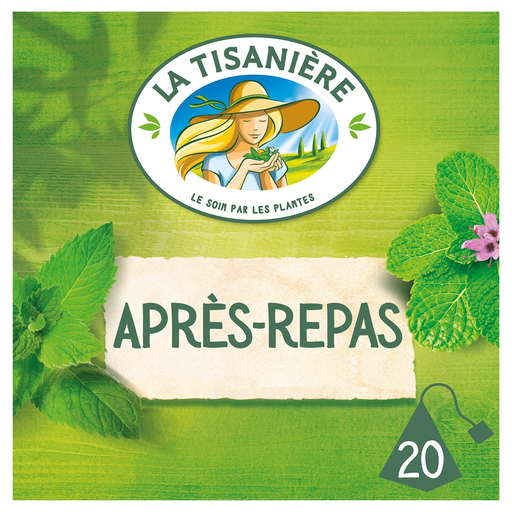 Image unavailable
LA TISANIERE, aniseed, mint and verbena infusion, 20 tea bags
Worth considering if you’re looking for an infusion combining aniseed, mint and verbena for your morning cuppa. If you plan to drink it regularly, check the full ingredients list and any warnings on the packaging.
View on Joybuy
 Image unavailable
PUKKA Mint Matcha, green tea, 20 tea bags
For a cup combining mint and green tea if you’re not trying to avoid caffeine. This is tea, not a herbal infusion; if you’re choosing based on a specific caffeine content, check the information on the product.
View on Joybuy
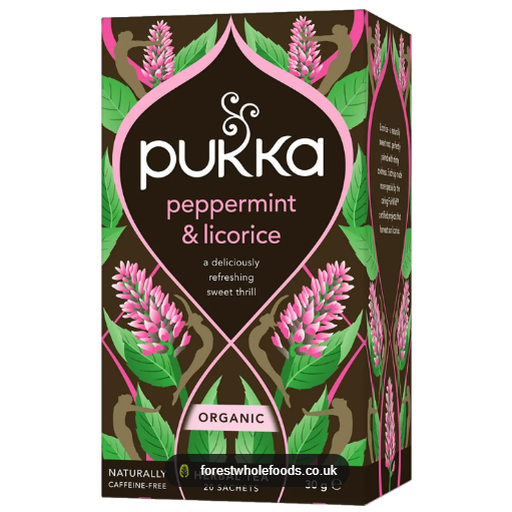 Image unavailable
PUKKA, peppermint and liquorice infusion, 20 tea bags
Worth considering if you specifically want a blend of peppermint and liquorice. Take particular care before making this infusion part of your daily routine: Anses warns against high, repeated consumption of liquorice.
View on Joybuy
 Image unavailable
ELEPHANT, organic verbena and mint infusion, 20 tea bags
For a morning cuppa centred on the combination of verbena and mint rather than a spicy note. If caffeine matters to you, check the ingredients and information on the packaging.
View on Joybuy
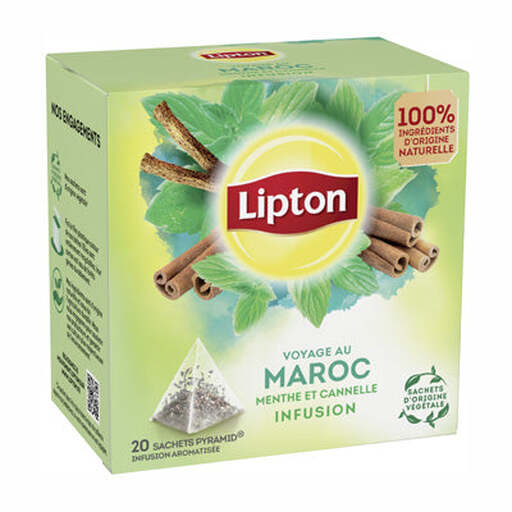 Image unavailable
Lipton, mint and cinnamon infusion, 20 tea bags
Worth considering if you like the combination of mint and cinnamon and want to mix up your morning cuppa. Read the full ingredients list before drinking it regularly, especially to check for any ingredients that require precautions. Also check the caffeine information if that matters to you.
View on Joybuy
Frequently asked questions
Can a robust herbal infusion replace coffee for caffeine?
Not on flavour alone: a highly aromatic herbal infusion shouldn’t be assumed to contain as much caffeine as coffee. According to the EFSA, caffeine is found, among other things, in coffee beans and tea leaves. If caffeine matters to you, check the ingredients of the drink you choose.
Should you brew it for longer to get a more pronounced flavour?
It’s best to start by following the instructions for each blend rather than automatically brewing it for longer. Twinings France recommends brewing its turmeric, mango and pineapple infusion for 5 minutes at 100 °C; Auchan’s product listing for 1336 mint infusion says 4 to 5 minutes. Start by choosing ingredients with a flavour profile you enjoy.
Can you drink a liquorice and mint infusion every morning?
It’s worth thinking about how often you drink it, as Anses links high and repeated liquorice consumption to health risks, including high blood pressure and low blood potassium. Read the product warnings and ask a healthcare professional for advice if you’re pregnant or breastfeeding, have a health condition or are taking relevant medication.
Does the word ‘detox’ prove that a herbal infusion has an effect?
No: a term in a product name isn’t enough to establish an effect for you personally. When choosing a drink, look at the ingredients, brewing instructions and warnings instead, rather than assuming the product offers a health benefit based on its name alone.
What should you look for on the label when choosing a morning herbal infusion?
Start with the ingredients list to identify the botanicals and distinguish a herbal infusion from tea. Then check any warnings, the number of tea bags and the brewing instructions. These details will help you choose a blend that suits the flavour you’re after and how you plan to use it.


