If you want to avoid ingredients that naturally contain caffeine during your lunch break, choose a herbal infusion after checking its ingredients rather than relying on its name alone. If you’re after the taste of black or green tea, make sure the specific product you choose is labelled ‘decaffeinated’: according to the Anses, tea naturally contains caffeine.
Who are these options for?
People who want to avoid caffeine
When choosing a drink for lunch, the first distinction is between a herbal infusion whose ingredients contain no identified source of caffeine and a tea labelled ‘decaffeinated’. The Anses points out that caffeine occurs naturally in tea and guarana.
People who love the taste of tea
If a herbal or fruit infusion doesn’t satisfy your craving for black or green tea, look for the word ‘decaffeinated’ on the specific tea you’re considering. Don’t assume it’s decaffeinated based on its flavour or range name.
People who pay attention to plant ingredients
If you plan to drink the same blend regularly, check which plants are listed on the box, too. The Anses advises particular caution with high, repeated consumption of liquorice, especially in certain health situations or when taking medication.
What should you check before buying?
To choose between a herbal infusion and decaffeinated tea, first decide whether the drink’s ingredients or the taste of tea matters most to you. Then check the other plants in the blend if you plan to drink it often.
| Criteria |
What to check |
Consumers concerned |
| Caffeinated ingredients |
The ingredients list, particularly for tea, guarana or other sources of caffeine. |
For my lunch break, I want to choose based on the ingredients rather than assume that a ‘herbal infusion’ is caffeine-free; around 42% of consumers would prioritise this need. |
| Taste of tea |
Whether it contains black or green tea, and whether the specific product is labelled ‘decaffeinated’. |
I’d rather keep the taste of tea than switch to a herbal infusion; this would be the top priority for around 33% of consumers. |
| Plants in the blend |
Whether it contains liquorice, any warnings on the packaging and how often you plan to drink it. |
If I plan to drink the same blend regularly, I want to know which plants it contains and take my own circumstances into account; around 25% of consumers would make this their top priority. |
Two things not to confuse
-
Assuming ‘herbal infusion’ guarantees it’s caffeine-free
The drink’s name doesn’t tell you what it contains. According to the Anses, tea and guarana naturally contain caffeine.
If you’re trying to avoid these ingredients, read the full ingredients list before buying. If you’re choosing tea for its taste, look for an explicit decaffeination claim on that specific product.
-
Overlooking liquorice in a blend you drink regularly
The Anses says that high, repeated consumption of liquorice can lead to hypokalaemia and high blood pressure. It also notes possible interactions with certain medicines.
Check the packaging for liquorice and any warnings. If you have high blood pressure, are pregnant or breastfeeding, have kidney or liver disease, or take regular medication, ask a healthcare professional for advice before consuming it frequently.
Brands and retailers to know
Twinings
Twinings France lists its tea and herbal infusion ranges separately.
- This distinction makes it easier to look for either a herbal infusion or a tea that suits your taste.
- For decaffeinated tea, check the label on the box of the specific product you’ve chosen.
Carrefour
Carrefour France offers herbal infusions from its own brand and other brands, including verbena and mint blends.
- The products listed include boxes of 20 or 25 tea bags, so check the recipe and pack size you want.
- Check the ingredients, whether the product is labelled decaffeinated and whether it’s available at your store.
E.Leclerc
E.Leclerc groups herbal teas, teas and infusions together in one online category.
- The category lets you search for a single plant or a blend, depending on the flavour you want.
- Check the ingredients and, for tea, look for the ‘decaffeinated’ label on the specific product. Also check whether it’s available at your store.
Herbal infusions for your lunch break on Joybuy
These products offer herbal or fruit infusions for a lunch break, including options designed to be prepared cold and others intended for a hot cup. If you’re specifically looking for the taste of decaffeinated tea, check for that label on a specific tea instead. For every herbal infusion, also check the ingredients and the labelling on the box you receive.
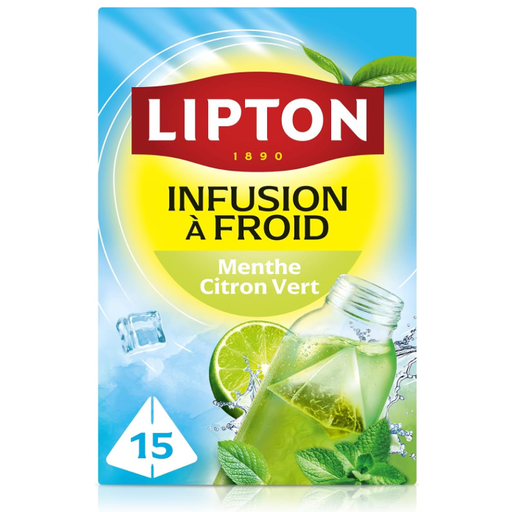 Image unavailable
Lipton Cold Infuse Mint & Lime, 15 sachets
Worth considering if you prefer a cold drink with lunch: this range is designed for cold infusion, not for making a hot cup.
Check the current packaging for the ingredients and any information about caffeine.
View on Joybuy
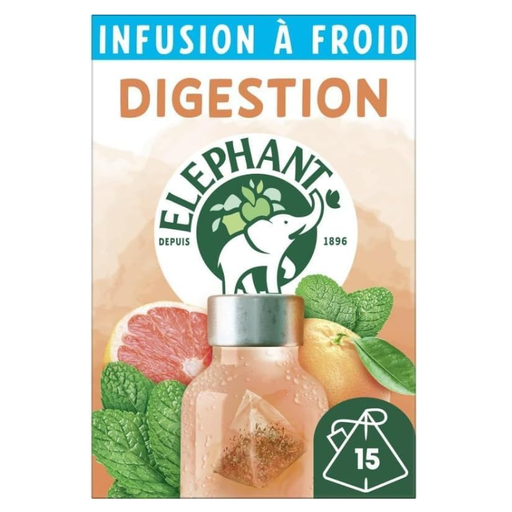 Image unavailable
Elephant Cold Brew Digestion, 15 sachets
Another cold-brew option, if this format suits your lunch. ‘Digestion’ is part of the product name and doesn’t guarantee any particular effect.
The box contains 15 tea bags; check the ingredients list and any information about caffeine.
View on Joybuy
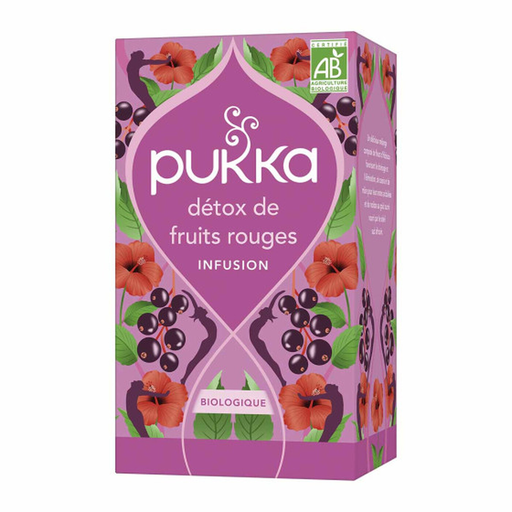 Image unavailable
Pukka Organic Red Fruits Detox Herbal Tea, 34 g
Worth a look if you prefer a fruity infusion served hot. ‘Detox’ is part of the product name and doesn’t describe a proven effect.
The stated pack size is 34 g; check the box for the ingredients, any information about caffeine and the number of servings.
View on Joybuy
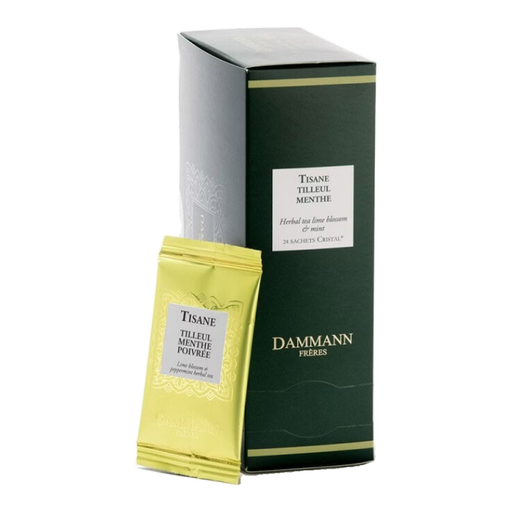 Image unavailable
Dammann Tilleul & Spearmint, 24 sachets, 48 g
If you’re after an infusion combining lime blossom and mint, bear the format in mind: this is a refill, rather than a box with a container.
It contains 24 tea bags and weighs 48 g. Check the packaging for the ingredients, any information about caffeine and preparation instructions.
View on Joybuy
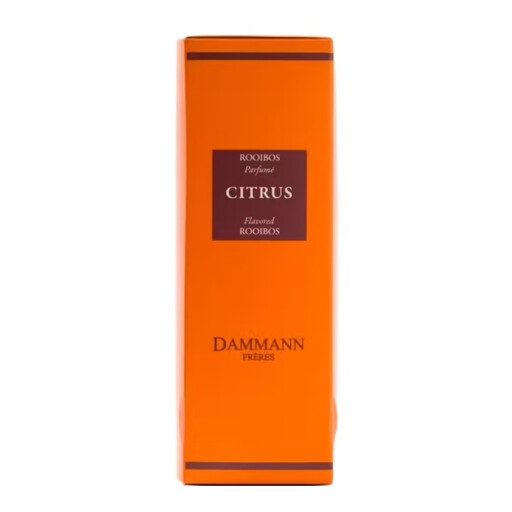 Image unavailable
Dammann Frères Citrus Rooibos, 24 sachets, 48 g
Worth considering if you’re looking for a rooibos infusion with citrus notes rather than the taste of black or green tea.
The stated pack size is 24 tea bags and 48 g. Check the packaging for the ingredients, any information about caffeine and preparation instructions.
View on Joybuy
Frequently asked questions
Is a drink called a ‘herbal infusion’ always caffeine-free?
No: the name alone doesn’t tell you what it contains. The Anses says tea and guarana naturally contain caffeine, so read the full ingredients list if you want to avoid sources of caffeine.
Is flavoured tea automatically decaffeinated?
No: its flavour doesn’t tell you whether it’s decaffeinated. If you want to keep the taste of tea while choosing a decaffeinated version, check the label on the exact product you’re considering.
What should I check before drinking a liquorice infusion regularly?
First, check whether it contains liquorice and look for any warnings on the packaging. The Anses says that high, repeated consumption can lead to hypokalaemia and high blood pressure, and notes possible interactions with certain medicines. Ask a healthcare professional for advice if your circumstances call for extra caution.
Will a herbal infusion I find online be available in my local store?
Not necessarily: check the specific product and collection options with the store before planning your shopping. The categories listed by Carrefour and E.Leclerc can help you find blends, but you’ll still need to check the availability of a particular product.


