What to look for in a robust herbal infusion
When choosing a drink to enjoy regularly, check the ingredients before comparing flavours, then make sure the preparation suits the person’s routine.
| What to consider |
What to check |
Who is it for? |
| Plant ingredients |
Read the ingredients list, especially to check for liquorice; seek advice if you have a relevant medical condition or take medication. |
If I’m going to drink an infusion regularly while managing high blood pressure or taking medication, I want to know which plants it contains before choosing a flavour. Around 33% of consumers put ingredients first. |
| A flavour you enjoy every day |
Choose a flavour you like and a format that’s easy to prepare; follow the instructions for the specific blend. |
If I’m to drink more throughout the day, I need a cup I genuinely enjoy, even if it isn’t the most robust. The enjoyment of drinking is the priority for around 27% of consumers. |
| Caffeine and intensity |
Distinguish tea leaves from a blend labelled caffeine-free; don’t assume that the word “strong” tells you how much caffeine a drink contains. |
I’m looking for a bold flavour in the evening, but want to avoid the caffeine in tea. For around 27% of consumers, being caffeine-free is therefore the main priority. |
| Format and preparation |
Compare the number of bags and the net weight, then check whether the drink is meant to be prepared hot or cold. |
When I regularly restock a box, I want a practical format and a preparation method that fits my routine. Around 13% of consumers put ease of use first. |
Herbal infusions available on Joybuy
These infusions offer fruity, spicy or herbal flavour profiles, so you can choose a drink to suit your taste. The cold-infusion option is for a different preparation style; with every product, the ingredients remain an important consideration before regular use.
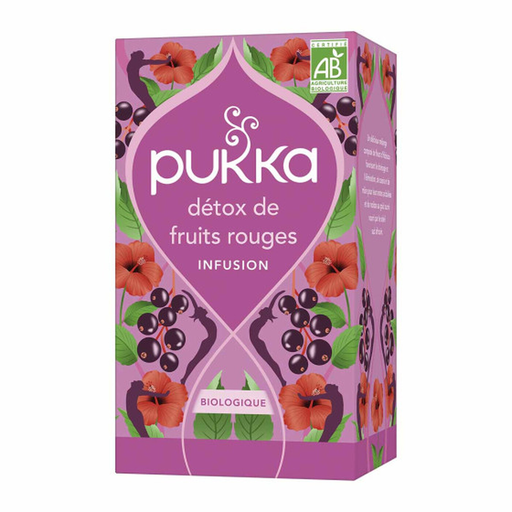 Image unavailable
Pukka Organic Red Fruits Detox, 34 g
Worth considering if you enjoy a red berry flavour and want to adjust the steeping time to suit your taste.
Net weight: 34 g. “Detox” is part of the product name; it doesn’t demonstrate a nutritional or medical effect.
View on Joybuy
 Image unavailable
Pukka Organic Gingers, 36 g
This ginger blend is suited to people who prefer a spicy flavour, provided its ingredients are appropriate for them.
Net weight: 36 g. It contains liquorice. If you have high blood pressure, cardiovascular, kidney or liver disease, or take regular medication, seek advice before drinking it frequently.
View on Joybuy
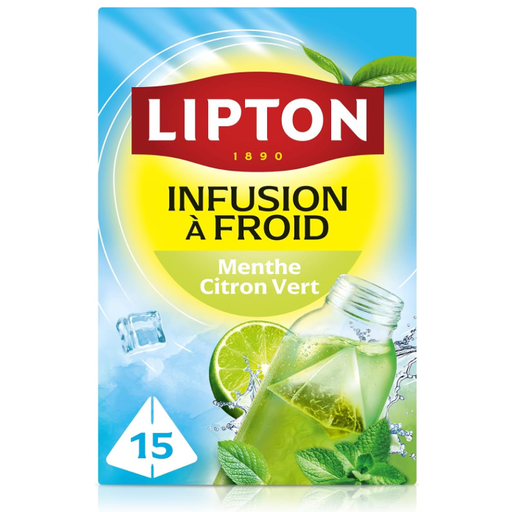 Image unavailable
LIPTON Cold Infuse Mint & Lime, 15 sachets
This mint and lime cold infusion is a good choice if you prefer a refreshing drink to a hot herbal infusion.
Box of 15 bags. Follow the cold-brewing instructions for this product; its flavour profile doesn’t guarantee an extra-strong taste.
View on Joybuy
 Image unavailable
ELEPHANT Organic Verbena Mint, 20 sachets
The verbena and mint blend may appeal if you’re looking for a herbal infusion in tea bags.
Box of 20 bags. If avoiding caffeine is important to you, check the labelling on the pack; also follow the preparation instructions for this product.
View on Joybuy
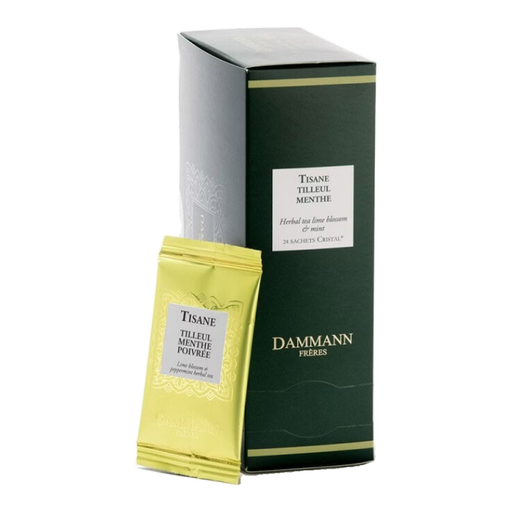 Image unavailable
DAMMANN Tilleul & Spearmint, 24 sachets, 48 g
This lime blossom and mint blend is more suited to people who prefer a gentle flavour than those looking for a particularly robust cup.
Box of 24 bags, net weight 48 g. Check the instructions on the pack to prepare this product.
View on Joybuy
Frequently asked questions
Can herbal infusions help older people add variety to their drinks?
Yes. According to Manger Bouger, herbal infusions can contribute to fluid intake as part of your daily drinks. Anses recommends that older people drink regularly, before they feel thirsty; signs of dehydration should be assessed by a medical professional.
Does a “wellbeing” infusion meet an older person’s nutritional needs?
No. An herbal infusion is still a drink and doesn’t replace food. Manger Bouger points out that nutritional needs don’t necessarily decrease with age, and some may increase.
How can you find a robust cup without choosing caffeinated tea?
Start with a flavour you enjoy, then check that the blend is labelled caffeine-free and follow its specific steeping instructions. Mint and verbena, fruit and spices all offer different flavour profiles, but the name of a plant alone can’t guarantee a particular level of intensity.
What should you do if an infusion contains liquorice?
Check where it appears in the ingredients before considering drinking it regularly, particularly if you have high blood pressure, cardiovascular, kidney or liver disease, or take regular medication. Anses warns of risks linked to high, repeated consumption of liquorice, as well as possible interactions with some medicines. A doctor or pharmacist can help you assess your circumstances.
Does the term “wellbeing” prove that a product has a health benefit?
No. A product name doesn’t demonstrate an effect for any particular person. DGCCRF explains that nutrition and health claims are regulated; when choosing an infusion, check its ingredients rather than assuming it will be effective based on its name.


