Anyone who enjoys a cup after a meal
If flavour comes first, compare the ingredients to find a fruity, floral, aniseed or minty blend, rather than relying on the word ‘wellbeing’.


After a winter meal, start by choosing a flavour you’d like to savour in your cup: fruity or floral, minty or aniseed. If you’re drinking it in the evening, check the ingredients too if you want to avoid tea, mate or other sources of caffeine. Terms such as ‘wellbeing’ or ‘relaxation’ tell you neither the full ingredients nor whether the product has any health effects.
If flavour comes first, compare the ingredients to find a fruity, floral, aniseed or minty blend, rather than relying on the word ‘wellbeing’.
If you want to avoid caffeine later in the day, check each blend: Anses points out that several plants, including tea, naturally contain it.
The proportions of herbs, flavourings, weight and number of tea bags can help you tell apart blends with similar-sounding names.
For a post-meal cup, start with the flavour you fancy, then check the ingredients if you plan to drink it late.
| What to consider | What to check | Who is it for? |
|---|---|---|
| Flavour after a meal | The main ingredients and flavourings: hibiscus and red berries for a fruity option, or mint and anise for other flavour profiles. | I want to round off my meal with a flavour I enjoy, rather than choosing based on a ‘wellbeing’ claim alone. Around 37% of consumers would put flavour first. |
| Ingredients for the evening | Check whether the specific blend contains tea, mate or guarana, rather than judging by its name or where it sits on the shelf. | When I make a late-night cup, I prefer to avoid ingredients that may contain caffeine. This would be a priority for around 36% of consumers. |
| Blend and format | Check the herbs and their proportions if they’re listed, as well as the net weight and number of tea bags. | For regular use, I want to know what’s in the blend and how many cups I can make from the box. Around 27% of consumers would prioritise this comparison. |
A liquorice and mint infusion won’t taste the same as a lemon verbena, anise and lime blossom blend, even if both names suggest a relaxing moment. A product name also doesn’t prove that it has any health benefits.
Read the ingredients and their proportions where listed, then choose according to the flavours you enjoy.
Herbal infusions can include blends made with tea or mate. Anses says caffeine in some plants may disrupt sleep for some people.
If you want to avoid caffeine in the evening, check the ingredients of the specific product you’re buying, even if its name suggests it’s for bedtime.
Kusmi Tea’s AquaRosa is one of its flavoured blends, combining hibiscus, red berries and herbs.
The Grand Sud liquorice and mint blend is a good example of a bold flavour profile.
The retailer offers herbal infusions and blends with a range of flavour profiles, including a Carrefour Bio recipe with a strong anise flavour.
One Bio Village infusion combines lemon verbena, hawthorn, anise and lime blossom.
Auchan stocks both single-herb infusions and herbal blends.
These products cater to different after-meal preferences: an aniseed flavour, a hint of mint, a floral blend or flavoured rooibos. Their product names don’t prove that they aid digestion or help you sleep.
 Image unavailable
Worth considering if you enjoy aniseed blends after a meal; check the ingredients to make sure the flavour profile is right for you.
The product name lists the pack size as 40 g. ‘Digestion’ is a product name, not a guarantee of any effect.
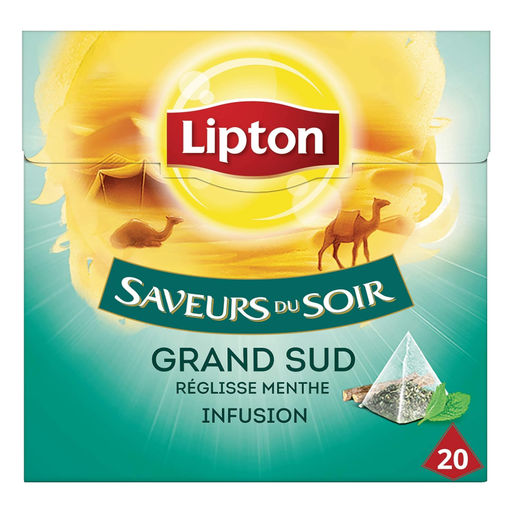 Image unavailable
A choice for anyone looking for a liquorice and mint flavour, subject to checking the exact recipe on the packaging.
The name includes ‘Ice Tea’, while the description says it’s an infusion to be made with hot water. Follow the instructions on the box, including the steeping time.
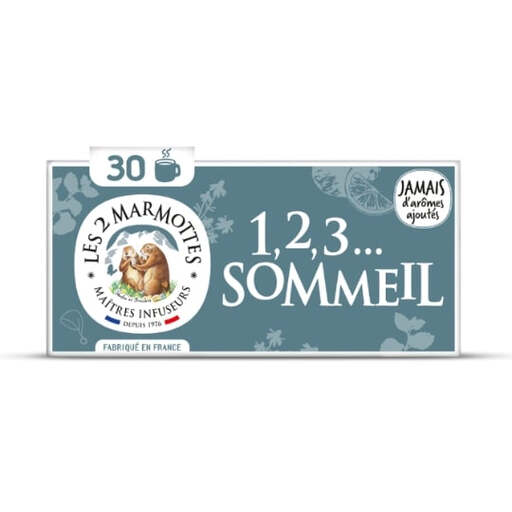 Image unavailable
An option if you’re looking for floral and citrus notes in an evening cup; check the ingredients against anything you want to avoid.
Box of 30 tea bags. ‘Sleep’ doesn’t prove that the product has any effect on sleep; follow the preparation instructions on the packaging.
 Image unavailable
For anyone who prefers mint and lemon verbena to a fruity blend after a meal.
Box of 20 tea bags. Preparation instructions vary between product descriptions, so check the packaging. If you want to avoid caffeine, check the full ingredients list too.
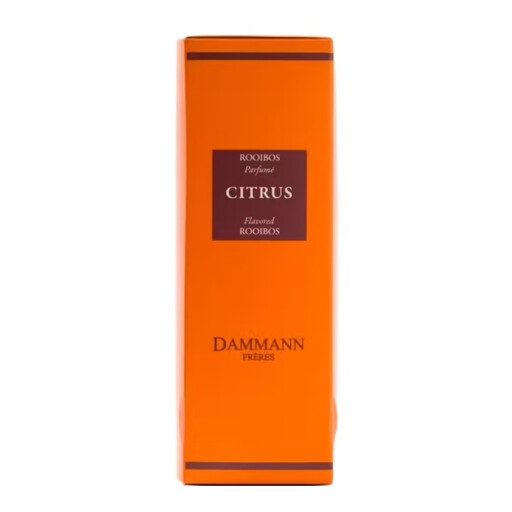 Image unavailable
Worth considering if you’d like a rooibos with fruity or floral notes after a meal; check the ingredients list to find out more about the stated flavours.
Box of 24 tea bags, 48 g. Follow the preparation instructions on the packaging.
No. The name doesn’t prove that it has any therapeutic effect. The DGCCRF says that nutrition and health claims used on food products are regulated. When choosing an infusion, first consider its ingredients and the flavour you’re looking for.
If you want to avoid caffeine, read the ingredients for the specific blend and look in particular for tea, mate or guarana. Anses says caffeine occurs naturally in several plants and may disrupt sleep for some people.
Follow the steeping time on the box, as preparation varies depending on the blend and its format. The French Pharmacopoeia gives a general steeping time of around 10 to 15 minutes in boiling water for herbal infusions. This general guidance doesn’t replace the instructions for the product you choose.
Compare the ingredients lists, any published proportions, the net weight and the number of tea bags. A blend led by lemon verbena and one centred on anise, for example, may suit different tastes, even if their names suggest a similar use.