
Livraison le jour même ou le lendemain

Qualité garantie

Débloquez vos offres de bienvenue: Livraison GRATUITE | Jusqu'à -80 % | 30 jours d'essai gratuits à JoyPlus
Téléchargez l'application
Dust, pollen, cooking fumes, pet odours and fine particles can quickly make indoor air feel unpleasant. But choosing an air purifier isn’t simply a matter of going by the number of square metres on the packaging. Some marketing claims are difficult to compare and could lead you to choose a unit that’s too small, too noisy or expensive to maintain.
The maximum coverage area often assumes one air change per hour, while another brand may calculate its capacity based on several air changes. So these figures aren’t always comparable.
For a bedroom or home office, look at the coverage area, but also check the CADR (clean air delivery rate), measured in m³/h. The higher the figure, the faster the unit can clean a given volume of air. In a large open-plan room, an air purifier for large rooms needs to deliver enough airflow, even if the stated coverage area seems suitable.
Not all HEPA filters are the same. Check the stated grade, the particle sizes tested and the conditions under which measurements were taken. A HEPA H13 filter, for example, is often chosen for capturing fine particles, but it’s no substitute for regular airing and keeping your home clean.
A filter with activated carbon is also important for tackling cooking, tobacco or pet odours. HEPA filters mainly capture particles, while activated carbon adsorbs some of the compounds that cause odours.
Even a high-performing unit can quickly become a nuisance if it’s in a bedroom or home office. Check the stated noise level at each speed, not just in night mode. Also check the replacement filter reference, whether it’s readily available and how often it’s recommended for replacement.
A quiet air purifier used for several hours a day may be more pleasant than a very powerful model that you constantly turn down to avoid the noise.
Measure the main room and take the ceiling height into account. If it opens onto a hallway or kitchen, allow some extra capacity. Models with a CADR of 150 to 220 m³/h are generally suitable for smaller spaces, while units rated above 400 m³/h are better suited to large living rooms or intensive use.
For a HEPA air purifier designed to tackle dust, pollen or pet dander, look for:
Units intended for pet owners should also be easy to clean. A washable or easily accessible pre-filter can help prevent the main filter from clogging too quickly.
An air purifier with a PM2.5 sensor can show how fine particle levels change and adjust the airflow automatically. Auto mode is useful when air quality varies throughout the day, for example while you’re cooking.
An app connection can offer scheduling, remote monitoring and alerts when the filter needs replacing. That said, a connected air purifier is only worthwhile if you’ll actually use these features. In a bedroom, a simple button and night mode may be all you need.
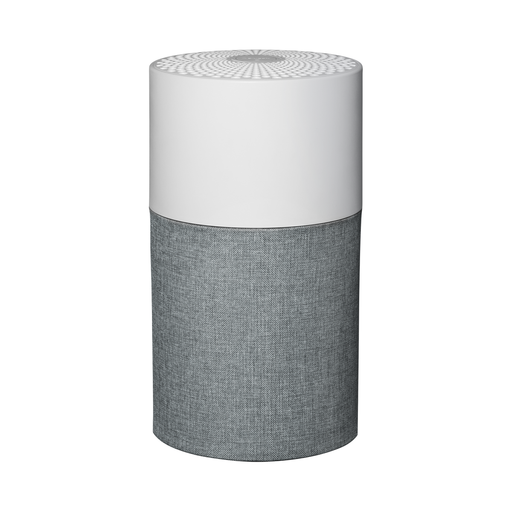
Why it suits this profile : Its compact design and one-button operation make it a good fit for a bedroom, small room or home office, without a host of settings to manage.
The product listing states coverage of up to 30 m² in 30 minutes and a noise level of 24 dB on low speed. That helps you avoid choosing an oversized unit for a small room.
HEPASilent filtration claimed to capture 99.97% of particles down to 0.1 microns, with dimensions of 34 × 20 × 20 cm.
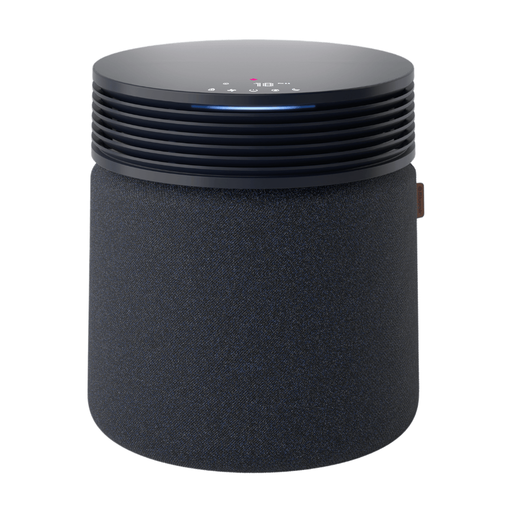
Why it suits this profile : This model is designed for larger spaces and for people who want high airflow, app control and a discreet addition to their living room.
Its stated CADR of over 700 m³/h gives you a more useful point of comparison than a coverage claim alone. According to the product listing, auto mode uses laser sensors.
Coverage stated at up to 154 m², night mode, voice control compatible with Alexa and Google Home, and a filter that needs replacing approximately every 6 to 9 months.
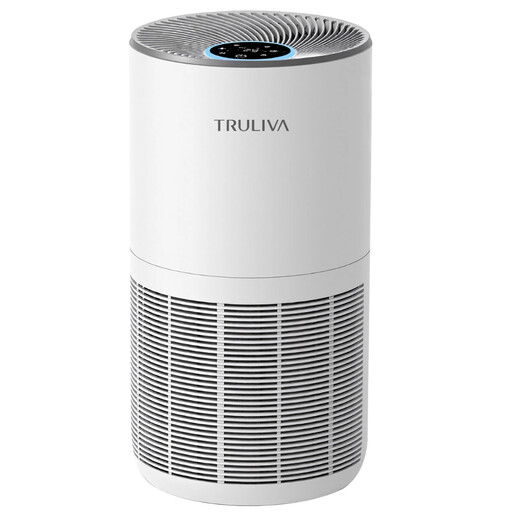
Why it suits this profile : Its 360-degree airflow, stated H13 filter and PM2.5 display make it a good choice for a living room, a home with pets or a property where odours are a regular concern.
The product listing specifies a CADR of 450 m³/h and a recommended room size of 32 to 55 m². This makes it easier to choose a model that fits the room, rather than relying on a vague general claim.
Three-stage filtration, a timer of up to 24 hours, child lock and PM2.5 air quality display.
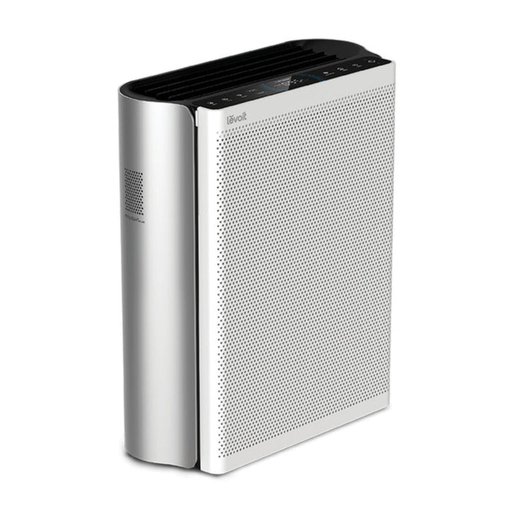
Why it suits this profile : People with a large living room or a connected home can monitor particle levels in the app and schedule the purifier remotely.
The product listing shows the CADR, stated coverage area and PM1.0, PM2.5 and PM10 sensors separately. The washable pre-filter also makes routine maintenance easier.
CADR stated at up to 612 m³/h, adjustable vents, auto mode, night mode and the VeSync app.
We’ve put together a comprehensive, regularly updated list of products that meet these demanding selection criteria and European safety standards.
Place the unit on a stable surface, leaving the recommended space around the air inlets and outlets. Keep it away from curtains and furniture placed right up against it, and avoid damp rooms such as bathrooms.
To maintain a steady airflow:
You don’t have to. Running it continuously at a low speed may be suitable in a bedroom or near a regular source of particles, while a timer is enough for occasional use. Auto mode can reduce airflow when the sensor detects fewer particles.
It depends on how often you use it, whether you have pets, whether there’s smoke and how dusty your home is. Product listings often state a lifespan of 3 to 12 months, but the replacement indicator and the actual condition of the filter are the best guides.
A model with an activated carbon filter can help reduce some odours. The amount of carbon, the airflow and the type of compounds involved all affect the results. If smoke persists, you should also remove the source and air the room properly.