
Livraison le jour même ou le lendemain

Qualité garantie

Débloquez vos offres de bienvenue: Livraison GRATUITE | Jusqu'à -80 % | 30 jours d'essai gratuits à JoyPlus
Téléchargez l'application
By the Joybuy Product Expert Team
Seasonal pollen, urban pollution, pet allergens… The quality of the air we breathe indoors has become a major concern for our well-being. A HEPA air purifier is the most effective solution for breathing healthier air at home. But with a dizzying array of options on the market, it can be hard to know where to start. This guide breaks down the essential criteria to help you make the right choice.
Before you start comparing models, it's crucial to understand a few technical concepts that determine your future device's effectiveness.
The CADR (Clean Air Delivery Rate) is the primary performance indicator. Expressed in cubic metres per hour (m?/h), it measures the volume of air the device can process in one hour. For optimal efficiency, the CADR should be proportional to your room's volume.
A high-performance air purifier uses more than just one filter. It combines several stages for comprehensive air treatment:
Since it's designed to run continuously, an air purifier's noise level is a critical comfort factor. For a bedroom, a quiet air purifier isn't an option—it's a necessity. Check for a "Night" or "Sleep" mode, which lowers the fan speed and noise to a nearly inaudible level (typically under 25-30 dB).
Other features can make your life easier:
To help you decide, here is our selection of models that caught our eye in 2026.
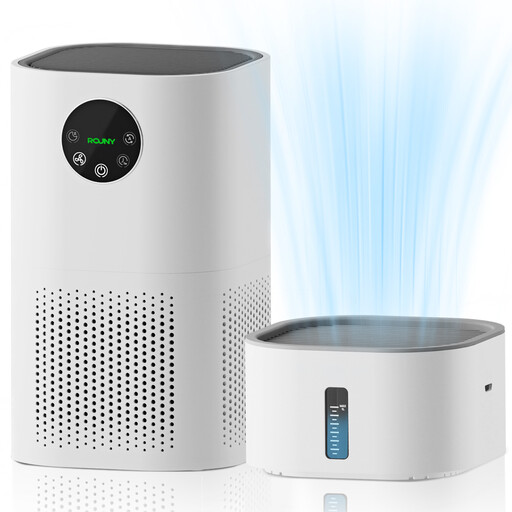
What sets it apart: Its dual function as a purifier and humidifier makes it a particularly versatile device, invaluable in homes with dry air, especially in winter.
Key Features:
Who is it for? The ideal choice for a bedroom or office, especially if you live in an environment where the air tends to be dry.
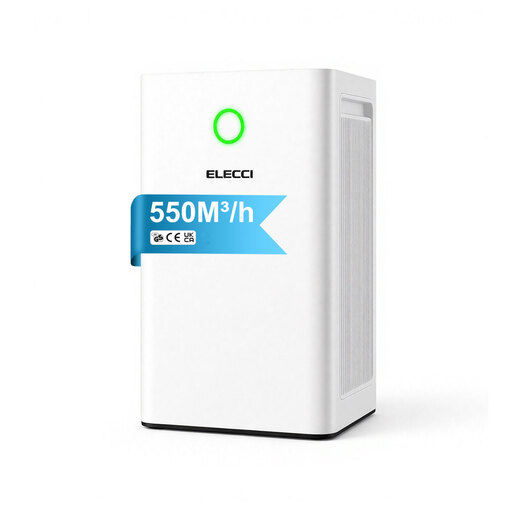
What sets it apart: Its sheer power. Designed to handle very large volumes of air with formidable speed and efficiency.
Key Features:
Who is it for? The perfect solution for large open-plan living areas, offices, or for anyone who requires ultra-fast purification in a large room.
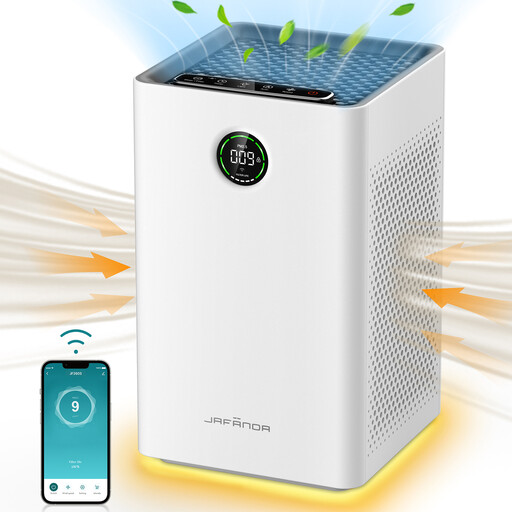
What sets it apart: Its built-in intelligence. App control, voice assistant compatibility, and precise air quality tracking.
Key Features:
Who is it for? The dream device for smart home enthusiasts who want to control and monitor their air quality with surgical precision.
Choosing an air purifier is a very personal decision: it depends on your home's layout, your specific sensitivities, and your budget. If the models featured here don't tick all your boxes, other solutions are available.
Feel free to explore our complete collection of HEPA Filter purifiers to find the perfect match for your needs.
The "HEPA" (High-Efficiency Particulate Air) designation is a very strict standard. To be certified as "True HEPA", a filter must capture at least 99.97% of particles as small as 0.3 microns. The European H13 HEPA classification guarantees this level of performance, making it particularly effective against fine allergens, bacteria, and airborne viruses. Be wary of marketing terms like "HEPA-like" or "HEPA-type", which refer to much less effective filters.
A filter's lifespan depends on the model, your usage frequency, and the ambient pollution level. On average, it should be replaced every 6 to 12 months. Most modern purifiers are equipped with an indicator light that alerts you when it's time to change the filter.
Absolutely. A HEPA air purifier is incredibly effective against seasonal allergies. By capturing airborne pollen grains, it significantly reduces allergy symptoms (sneezing, itchy eyes, runny nose), turning your home into a true sanctuary during peak pollen season.