
Livraison le jour même ou le lendemain

Qualité garantie

Débloquez vos offres de bienvenue: Livraison GRATUITE | Jusqu'à -80 % | 30 jours d'essai gratuits à JoyPlus
Téléchargez l'application
Breathing healthier air at home has become a priority, whether it's to soothe an allergy, combat pet dander, or simply eliminate everyday pollutants. With a dizzying array of options, choosing the right HEPA air purifier can often be a challenge. The gap between marketing promises and reality can be huge.
As a Product Expert at Joybuy, my role is to help you see things more clearly. Let's break down the common pitfalls and the criteria that truly matter, so you can make an informed choice, free from marketing hype.
The market is flooded with models boasting tempting spec sheets. But be warned: certain details, often overlooked, can render a device completely ineffective or even turn it into a financial black hole.
To avoid these traps, rely on objective technical data. Here are the three key indicators to scrutinise.
The CADR, or Clean Air Delivery Rate, is the most reliable technical specification. Expressed in cubic metres per hour (m?/h), it indicates the volume of air the device can genuinely filter in one hour.
A good air purifier doesn't rely on a single filter. It combines multiple layers for comprehensive air treatment.
Noise is a non-negotiable comfort factor. Manufacturers typically list the noise level for the lowest (night mode) and highest speeds.
Instead of an endless list, here is our targeted selection, designed for specific needs and based on the criteria we've just broken down.
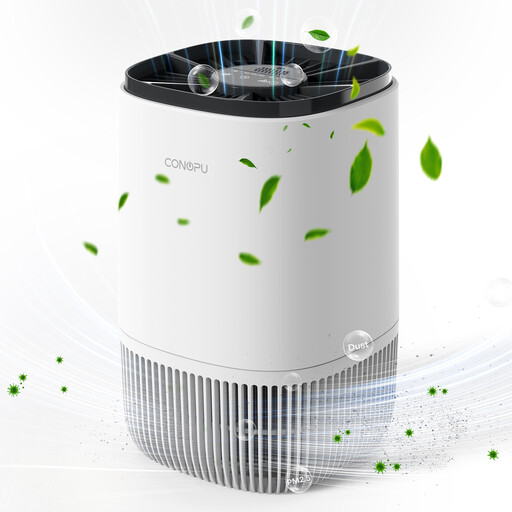
Why we chose it: Its compact size and ultra-quiet operation make it a discreet ally for a bedroom or small office. It targets common pollutants like pollen and dust, while also offering an essential oil diffusion feature for a personalised atmosphere.
It's honest about its capabilities, clearly positioning itself for small rooms. Its low noise level is its key strength for protecting your sleep.
3-in-1 filtration (pre-filter, H13 HEPA, activated carbon) in a portable design that's easy to move from one room to another.
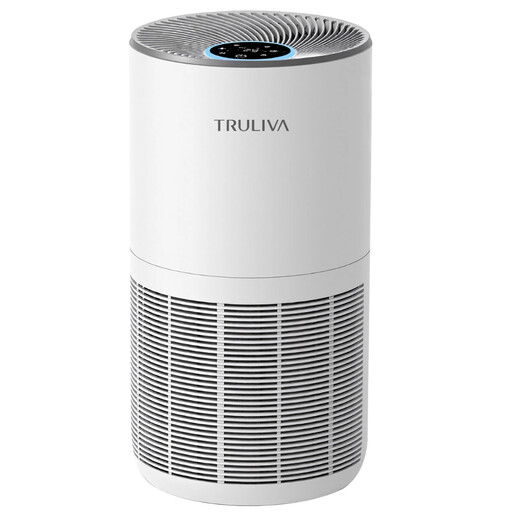
Why we chose it: With a robust CADR of 450 m?/h and 360° intake, this model is built for large spaces (up to 55 m?). It's the best friend for households with pets, capturing dander and neutralising odours.
Its high CADR is a quantified promise that it delivers on. The filter replacement indicator helps you manage the budget for consumables and ensures consistent performance.
360° intake for optimal air circulation and a real-time display of air quality (PM2.5 index).
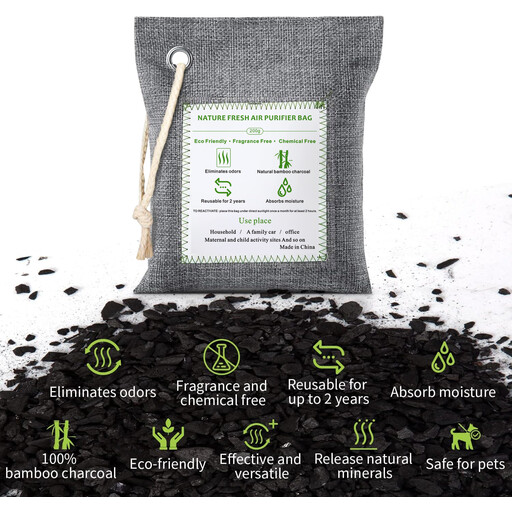
Why we chose it: For stubborn odours in confined areas (closets, cars, shoe cabinets), this bamboo charcoal bag is a low-tech yet incredibly effective solution. It autonomously absorbs moisture and bad smells.
It takes the opposite approach to electric devices: zero noise, zero energy consumption, and zero replacement parts to buy. Reusable for up to 2 years, it's a champion of savings.
100% natural, with no fragrances or chemicals. Simply place it in the sun once a month to "recharge" it and restore its absorption capacity.
Explore our full selection of products that meet our quality charter and European safety standards.
It all depends on the model, your usage, and the ambient pollution level. Generally, plan for a change every 6 to 12 months. Fortunately, most modern devices include an indicator light that alerts you when the time comes, which greatly simplifies maintenance.
The golden rule: place it in your main living space (bedroom, living room). Make sure to leave at least 30 to 50?cm of clearance all around it to ensure good air circulation. Above all, don't tuck it into a corner or behind a sofa!
Absolutely. It's a powerful ally to complement regular vacuuming. The pre-filter captures hair, while the HEPA filter targets dander (dead skin flakes) and finer allergens. Finally, the activated carbon filter works to neutralise specific odours. It's the winning trio for everyone's comfort at home, whether they have allergies or not.