
Livraison le jour même ou le lendemain

Qualité garantie

Débloquez vos offres de bienvenue: Livraison GRATUITE | Jusqu'à -80 % | 30 jours d'essai gratuits à JoyPlus
Téléchargez l'application
Whether you ride a motorcycle, a bicycle, or an electric scooter, choosing a helmet with a visor shouldn't be taken lightly. It's your most important safety ally. Yet, with an overwhelming number of options on the market, it's easy to fall into costly traps that compromise both your safety and comfort. To help you avoid any unpleasant surprises, let's review the common mistakes you should not make.
The first pitfall? Trusting a visor that looks sturdy but is actually just a gimmick. A poor-quality visor will scratch at the slightest touch, fog up at the first sign of rain, and distort your vision, turning it into a real hazard rather than a form of protection.
The second, much more serious trap, concerns safety certifications. A helmet might have a stylish design, but without a clear certification appropriate for your activity, its protective capability is simply zero. A certified helmet for cycling will never offer the protection required for a motorcycle trip.
Finally, the classic mistake: sacrificing comfort for style. A poorly ventilated, overly heavy helmet or one with an imprecise adjustment system quickly becomes a daily burden, to the point where it will end up in a closet instead of on your head.
To avoid these pitfalls, focus on objective criteria. Here are the non-negotiable checkpoints to review before you pull out your credit card.
Certification is the number one criterion, the absolute starting point. It guarantees that the helmet has passed a series of impact resistance tests. In the European market, two main standards dominate:
Verifying this information is the first step you should take for any adult protective helmet.
The visor is much more than a simple screen. Its design directly impacts your comfort and safety.
Beyond raw protection, certain details make all the difference in daily use.
Because every rider is unique, we have selected models that excel in their category. This should help you find the perfect helmet for you.
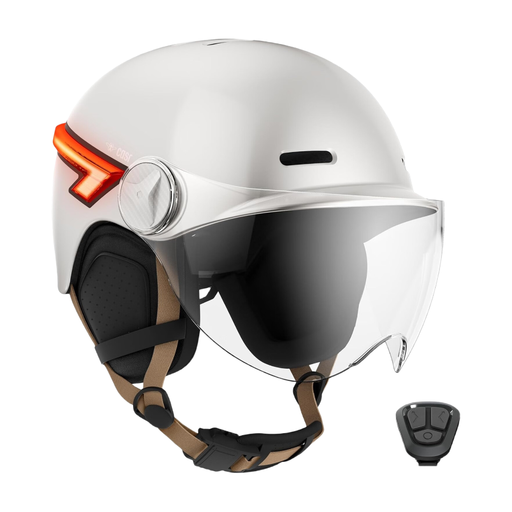
Why we love it: Ideal for daily commutes by bike or electric scooter. Its integrated lighting system is a real asset for safety in dense traffic, while its removable visor makes it versatile for any season.
This helmet has a verified EN 1078 certification, ensuring protection suitable for urban use. Its LED system is not a gimmick, but a 360° active safety feature.
Enhanced visibility thanks to the active lighting system and the handlebar-mounted turn signal remote.
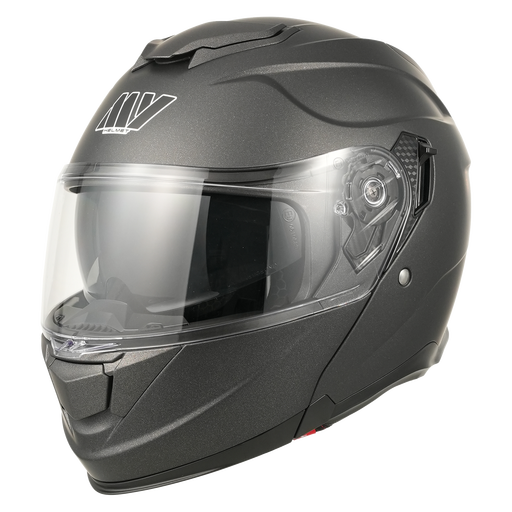
Why we love it: Designed for long journeys, this modular helmet combines the safety of a full-face with the convenience of an open-face. Its dual-visor system is perfect for adapting to changing road conditions, and its comfortable interior is built to last.
It is certified to the ECE R 22.06 standard, the strictest one currently available. The dual-visor system is functional and robust, avoiding the "gimmicky sun shield" trap. The lining is removable for easy maintenance.
Maximum versatility with its flip-up chin bar and dual-visor system (clear main shield and internal sun shield).
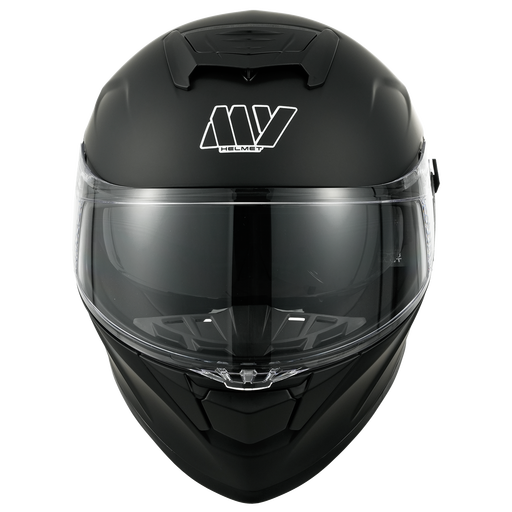
Why we love it: An excellent compromise for daily motorcycle commutes. Its modular design is practical for city stops, and the integrated sun visor is a real bonus for dealing with the low morning or evening sun without any hassle.
This helmet is ECE R 22.06 certified, offering top-level protection. The sun visor is well-integrated and easy to operate, and the removable, washable interior ensures impeccable comfort and hygiene.
Excellent balance of features and safety for regular use, with the flexibility of a modular helmet.
Explore our full selection of helmets that meet our rigorous selection criteria and current safety standards.
A helmet's structure is designed to absorb an impact by degrading. It is essential to replace your helmet after any significant fall or impact, even if no damage is visible. In the absence of an impact, manufacturers generally recommend a replacement every 5 years. Materials like expanded polystyrene (EPS) can lose their absorption properties over time due to exposure to UV rays and temperature variations.
The safest method is to use a soft microfiber cloth and lukewarm water with a drop of neutral soap. Never use window cleaners, solvents, or harsh chemical cleaners, as they can damage the visor's coating (anti-scratch, anti-fog) and make it opaque. For dried insects, place a damp cloth over the visor for a few minutes to soften them before gently wiping them away.
Yes, provided the scooter does not exceed 25 km/h (15 mph). For this use, an adult protective helmet certified EN 1078 is required and sufficient. This standard covers impacts at speeds typically reached on a bicycle or scooter. If your vehicle is faster, it falls into the moped category and requires a motorcycle-certified helmet, such as an ECE 22.06 model.