
Livraison le jour même ou le lendemain

Qualité garantie

Débloquez vos offres de bienvenue: Livraison GRATUITE | Jusqu'à -80 % | 30 jours d'essai gratuits à JoyPlus
Téléchargez l'application
When it comes to two-wheelers, there's no compromising on safety. With the arrival of the new European certification standard, choosing an ECE 22.06-certified motorcycle helmet has become essential for any rider who prioritises their protection. This certification significantly raises the bar for safety, but navigating the jungle of available models can quickly become a challenge.
This guide is here to break down the key aspects of the standard and present a selection of helmets that tick all the boxes. Our goal: to help you make the right choice by balancing safety, comfort, and practical features.
Before you settle on a model, it's crucial to understand what defines a good helmet under this new regulation and which criteria best match your motorcycle or scooter riding style.
The UNECE 22.06 standard replaces the previous 22.05 version, which had been in place for nearly 20 years. It mandates much stricter tests designed to better reflect the conditions of a real-world accident. In practical terms, the major changes are:
Choosing an ECE 22.06-certified helmet means you are guaranteed a level of protection validated by the most demanding protocols to date.
The choice between a full-face motorcycle helmet and a modular motorcycle helmet primarily comes down to your riding habits.
A safe helmet is good. A safe and comfortable helmet is better. Comfort isn't a luxury; it's an active safety feature. A helmet that bothers you is a helmet that distracts you. Here are a few points to check:
To guide you, we've selected two models that meet the ECE 22.06 standard, each with its own strengths.
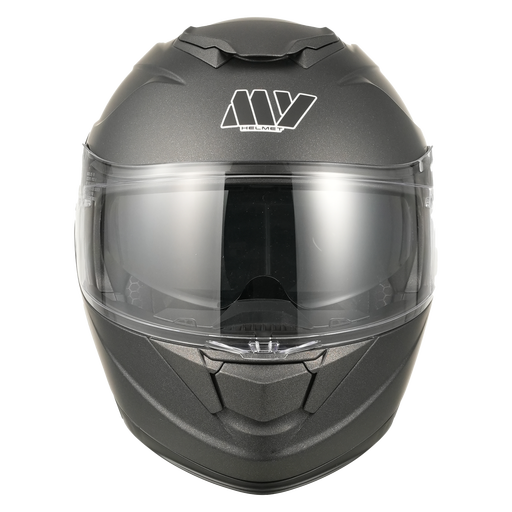
Key Features
This modular motorcycle helmet combines the flexibility of an open-face with the safety of a full-face. Its ECE R 22.06 certification confirms its compliance with the latest tests. Its high-resistance ABS shell and high-density EPS liner are designed for maximum shock absorption.
Advantages
Who is it for? It's aimed at motorcycle and scooter riders, both men and women, looking for a do-it-all helmet for mixed use (city and highway). It's an attractive option for those who value the practicality of a modular helmet without compromising on the new safety standard.
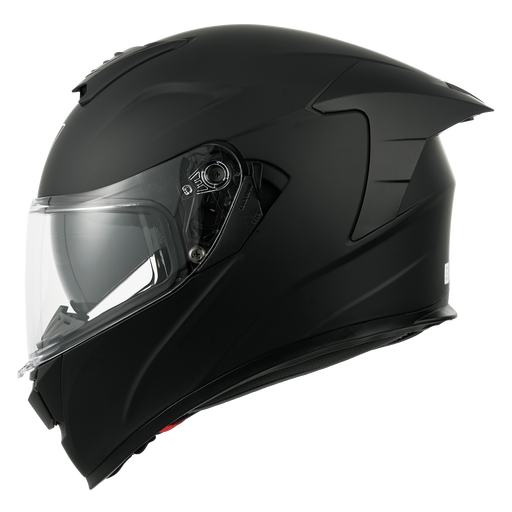
Key Features
The MY-936 is a pure full-face motorcycle helmet, designed to offer a high level of protection thanks to its single-piece shell. Also certified ECE R 22.06, it focuses entirely on protection and comfort for long-distance rides.
Advantages
Who is it for? This is the logical choice for riders who place safety at the top of their priority list, especially for highway travel or long tours. It's equally suitable for men and women looking for a certified scooter helmet to make their daily commutes safer.
Do the featured models not match your style? Are you looking for a cleaner design, a vintage look, or a simple open-face helmet? Other options are available. Feel free to explore our full range to find your perfect match.
Discover our collection of classic helmets
1. Can I still ride with my ECE 22.05-certified helmet? Yes, absolutely. It is still legal to wear a helmet certified under the 22.05 standard. However, since July 2023, manufacturers can only produce helmets that comply with the new 22.06 standard. For any new purchase, it is therefore highly recommended to choose an ECE 22.06 model to benefit from the latest advancements in safety.
2. How can I choose the right helmet size online without making a mistake? This is the trickiest part, but it's essential for both safety and comfort. To determine your size, get a flexible measuring tape. Place it about 2.5 cm (1 inch) above your eyebrows and wrap it around the widest part of your head. Then, compare this measurement (in cm) with the manufacturer's size chart. A new helmet should feel snug without creating painful pressure points. Don't worry, the foam pads will break in after a few hours of use to perfectly conform to the shape of your head.
3. What is the lifespan of a motorcycle helmet? It is recommended to replace your helmet every 5 years, even if it appears to be in perfect condition. Over time, the materials it's made of (polystyrene, fibres, adhesives) lose their effectiveness due to exposure to UV rays, temperature changes, and even sweat. And of course, a replacement is mandatory and immediate after any drop or impact, even if no cracks are visible to the naked eye.