
Livraison le jour même ou le lendemain

Qualité garantie

Débloquez vos offres de bienvenue: Livraison GRATUITE | Jusqu'à -80 % | 30 jours d'essai gratuits à JoyPlus
Téléchargez l'application
Fencing a garden, agricultural land, or a professional space? It can be a real headache. Heavy-duty plastic mesh fencing seems like the silver bullet: it's lightweight, rust-proof, and often more affordable than metal. But be warned—the market is flooded with products whose promises of durability crumble at the first sign of sun.
As a product expert for Joybuy, I'm here to break down the market's offerings for you. Here are the pitfalls to avoid and the essential criteria for choosing a fence that will actually go the distance.
The 2 Classic Mistakes to Avoid When Buying a Plastic Fence?:
To invest in a truly durable plastic mesh fence, you need to look beyond price and colour. These are the technical specifications that make all the difference.
The type of plastic used is the primary indicator of your future fence's quality.
The strength of a fencing net isn't just about the thickness of its strands. The way the mesh is formed is crucial. Technologies like bi-oriented stretching, mastered by manufacturers such as Tenax, align the plastic's molecules in two directions (longitudinal and transverse). This technical feat gives the mesh a robustness that rivals some metal fences, all while maintaining the lightness and flexibility of plastic. A rigid, well-designed mesh is a hallmark of quality that prevents sagging.
A 10-metre roll of plastic mesh serves a different purpose than a 100-metre roll. It's logical. Before you decide, carefully assess your needs?:
Instead of an endless list, here are targeted picks by use case to help you find the perfect product for your project.
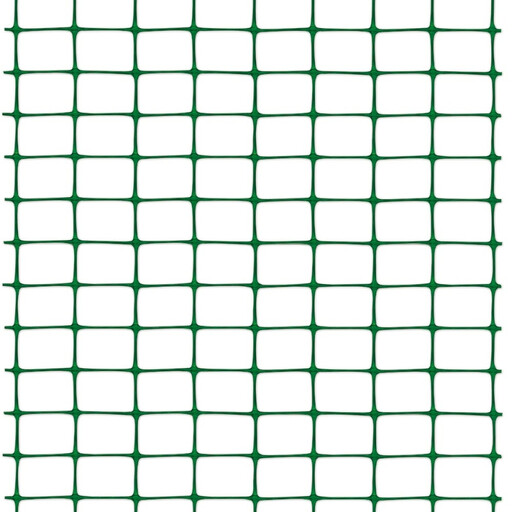
Why we chose it : Perfect for DIYers looking to define a green space, protect a vegetable patch, or create a small enclosure. Its dimensions (1.5x10 m) are ideal for modest projects, without the waste or complexity of a large roll.
Made from 100% polypropylene with molecular orientation, it won't become brittle. Its rigid structure prevents sagging, unlike low-end mesh fences that lose their shape.
High resistance to tension and salt corrosion, making it perfect even for coastal areas. Lightweight and easy to install without professional tools.
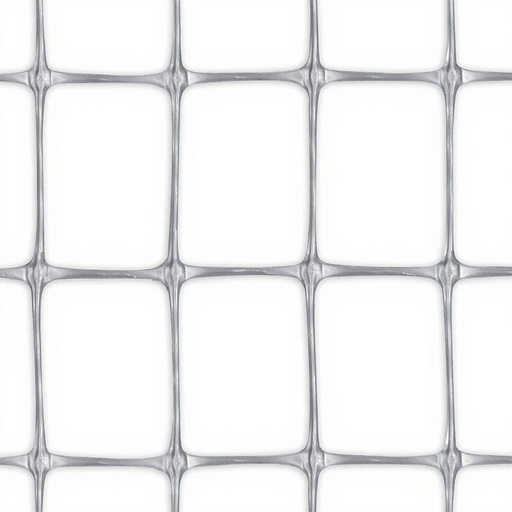
Why we chose it : For property owners seeking a permanent, maintenance-free solution to fence their land. Its metallic appearance is discreet, and its robustness is designed to last for years.
It tackles the #1 problem: degradation. Its high-density polypropylene offers superior resistance to UV rays and corrosion. The manufacturer's 10-year warranty is a true testament to its reliability.
Tear and puncture resistance worthy of metal, but without the rust. Perfect for areas with high exposure to sun and salt air.
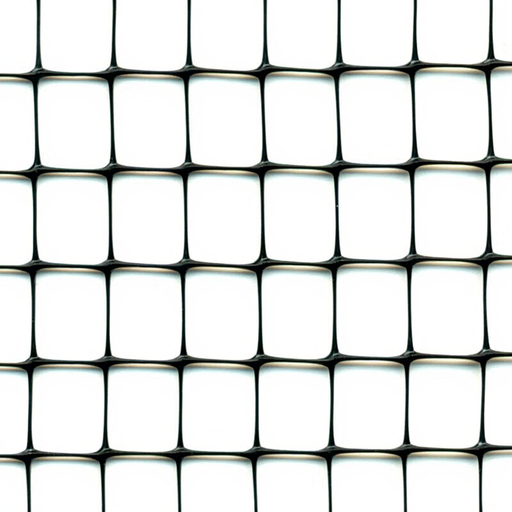
Why we chose it : Designed for professionals, farmers, or large landowners. The 100-metre roll and 2-metre height are perfect for creating large poultry enclosures, protecting crops, or securing vast perimeters.
Its molecular bi-orientation manufacturing process gives it professional-grade breaking strength and tensile resistance. No more makeshift solutions with an unsuitable consumer-grade product that would eventually fail.
Incredibly lightweight compared to a metal fence of the same dimensions, which radically simplifies transport and installation over long distances. Resistant to chemicals and rot-proof.
We have selected a full range of products that meet these quality criteria and current standards.
It all depends on the quality of the plastic and its UV treatment. A quality polypropylene mesh, like those in the Tenax Millennium range, can last over 10 years without losing its strength or colour. Conversely, an entry-level PVC product will show signs of fatigue after just 2 or 3 winters.
Proper tension is crucial to prevent the mesh from sagging. Install support posts every 2 to 2.5 metres. Unroll the mesh, secure it firmly to the first post, then gradually stretch it to the next one before stapling it. For a flawless result, adding a tension wire at the top and bottom is highly recommended. Accessories like a mesh tensioner (for example, the Tenax Wire Tensioner) allow for precise adjustments for a professional finish.
Plastic mesh is perfect for containing small animals (chickens, rabbits, small, calm dogs) or for protecting a vegetable garden from pests. However, it is not suitable for larger, more powerful animals (goats, large dogs) or those that like to chew and climb, as they could deform or break it. In those cases, a reinforced metal fence remains essential.