
Livraison le jour même ou le lendemain

Qualité garantie

Débloquez vos offres de bienvenue: Livraison GRATUITE | Jusqu'à -80 % | 30 jours d'essai gratuits à JoyPlus
Téléchargez l'application
After a day spent in front of a screen, several hours behind the wheel or a workout, your neck and shoulders can quickly become stiff. A heated neck massager typically combines mechanical or vibration massage with heat, giving you a chance to unwind at home, at work or on the go.
Product descriptions don’t always tell you everything you need to make the right choice. Some devices are bulky, others heat up without offering precise settings, while portable models can have limited battery life. Here are the features to look out for before you buy, along with a selection to suit different needs.
A device that advertises lots of modes isn’t necessarily more versatile or easier to use. Check what the settings actually change: rotation speed, vibration, massage direction, heat only or a combination of functions. Clear controls and adjustable intensity levels are often more useful than a long list of poorly explained programmes.
A heated neck massager should stay in place without applying uncomfortable pressure. If it’s too heavy or doesn’t fit properly, it may limit how long you can use it. For a wearable model, check the straps, U-shape, weight and whether you can use it while sitting without having to hold it in place.
How warm it feels varies from person to person and depends on contact with clothing. Look for several heat settings, a timer with automatic shut-off and clear safety instructions. Infrared heat, like any other heating technology, should be seen as a comfort feature, not a medical promise.
A shiatsu neck massager typically uses rotating heads to mimic a kneading motion. It may suit anyone who prefers a more vigorous massage. Vibrating devices are often lighter and quieter, making them easier to use at work or while travelling.
For shoulder and back massage, check which areas the device actually covers. Some models designed for the neck can also be used on the lower back, arms or legs. Others are intended for the neck only.
Look for:
A temperature stated in degrees, such as around 40 to 45 °C on some cushions, makes it easier to compare products. However, you should still follow the instructions and stop using the device at the first sign of discomfort.
A portable electric massager powered by a battery gives you more freedom, but check its battery life and charging time. A lightweight model is generally easier to carry and store at work. At home, a mains-powered device lets you use it regularly without relying on the battery level.
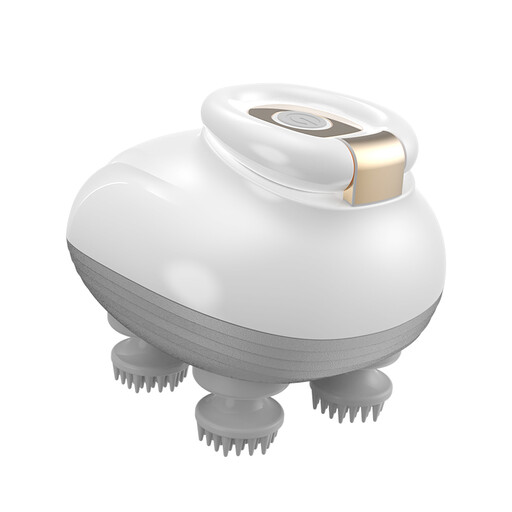
Why it suits this profile : At a claimed 210 g, with three intensity levels and USB-C charging, this model is a good introduction to compact massagers, whether you’re at home or at work.
The settings are clearly linked to intensity levels, while the lightweight design keeps bulk to a minimum. Still, check the product listing for the actual battery life before buying.
Six advertised massage techniques, three intensity levels, a 700 mAh battery and Type-C charging.
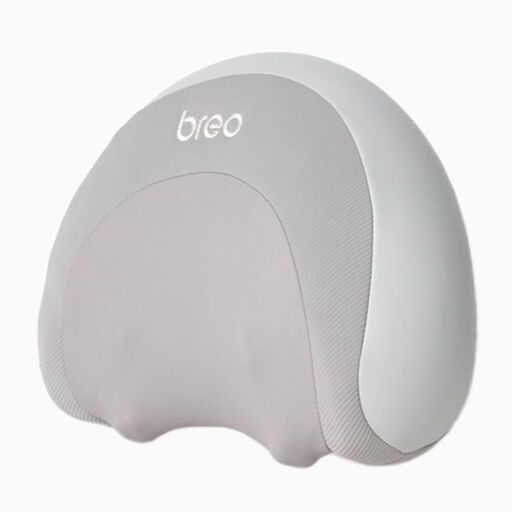
Why it suits this profile : Its ergonomic wave shape targets the neck, shoulders or waist. It offers three modes, including a heat-only mode with no rotation.
The two advertised heat settings and sleep mode mean you don’t have to switch on the rotating massage every time. Follow the instructions and never use the device while you’re asleep.
Three modes, adjustable heat from around 40 to 45 °C, an advertised NTC sensor and a design suited to the neck and shoulders.
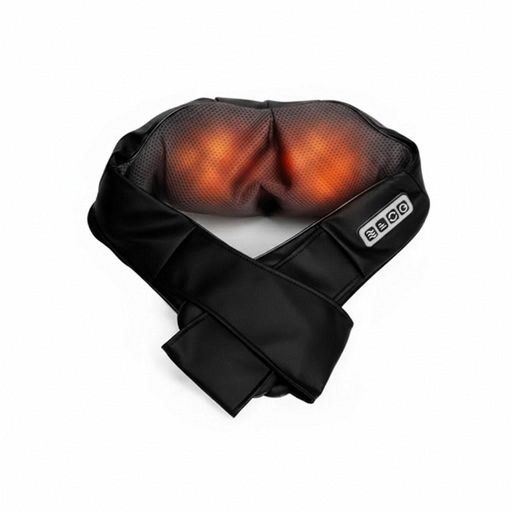
Why it suits this profile : If you want to move from your neck to your back, arms or legs, this corded device comes with mains and car adapters.
The product specifications detail the number of heads, power and adapters, making it easier to compare with models that provide less information.
Eight rotating heads, two-way rotation, advertised infrared heat, 24 W of power and a stated two-year warranty.
We’ve brought together a comprehensive selection, updated in real time, of products that meet these exacting criteria and European safety requirements.
Start with a short session, using low heat and a moderate intensity. Position the device as instructed, without applying extra pressure to its mechanisms. Remove any jewellery that could interfere with contact and keep the device away from water.
Pregnant women and anyone with a neck injury, reduced sensitivity to heat, an implanted medical device or another specific health concern should consult a healthcare professional before use. Stop using the device immediately if you experience pain, burning or unusual discomfort.
The recommended duration depends on the model. Several devices switch off automatically after around 10 to 15 minutes. It’s best to stick to this limit, let the device cool down if the instructions recommend it and avoid prolonged sessions.
Rechargeable or low-power devices generally use very little electricity. The cost mainly depends on how often you recharge it, the battery capacity and your electricity tariff. Check the stated power and use the charger supplied.
A heated massage cushion is best suited to using at home while sitting or lying down. Often fitted with a battery and straps, a portable model makes it easier to take breaks at work or use while travelling. In return, you’ll need to pay closer attention to its battery life, weight and how securely it stays in place.